

Blog Article
Walk into the children's section of any bookshop, or scroll through it online, and the choice is overwhelming. Board books, sticker books, phonics books, story books, activity books, encyclopedias. Which one is right for a two year old? What should a five year old be reading? Is a six year old too old for picture books?
The honest answer is that the best book for a child is the one that matches what their hands, eyes and mind are ready for right now. A book that is too hard gets ignored, and a book that is too easy gets finished in a minute. This guide goes age by age, from two to eight years, and tells you what to look for and what to buy at each stage.
A quick guide by age
- 2 to 3 years: sturdy board books with one big picture per page and first words.
- 3 to 4 years: pre-writing and tracing books, big simple colouring, short read aloud stories.
- 4 to 5 years: alphabet and number books, sticker books, beginning sounds.
- 5 to 6 years: phonics and first reading, counting and simple addition, puzzles and mazes.
- 6 to 8 years: story collections to read alone, science and "why" books, brain games.
Books for 2 to 3 year olds
At this age a book is something to hold, point at and chew as much as something to read. Pages need to survive being bent, dropped and sat on. Look for thick board pages, bright photographs or clear drawings, and one idea per page: one animal, one fruit, one colour.
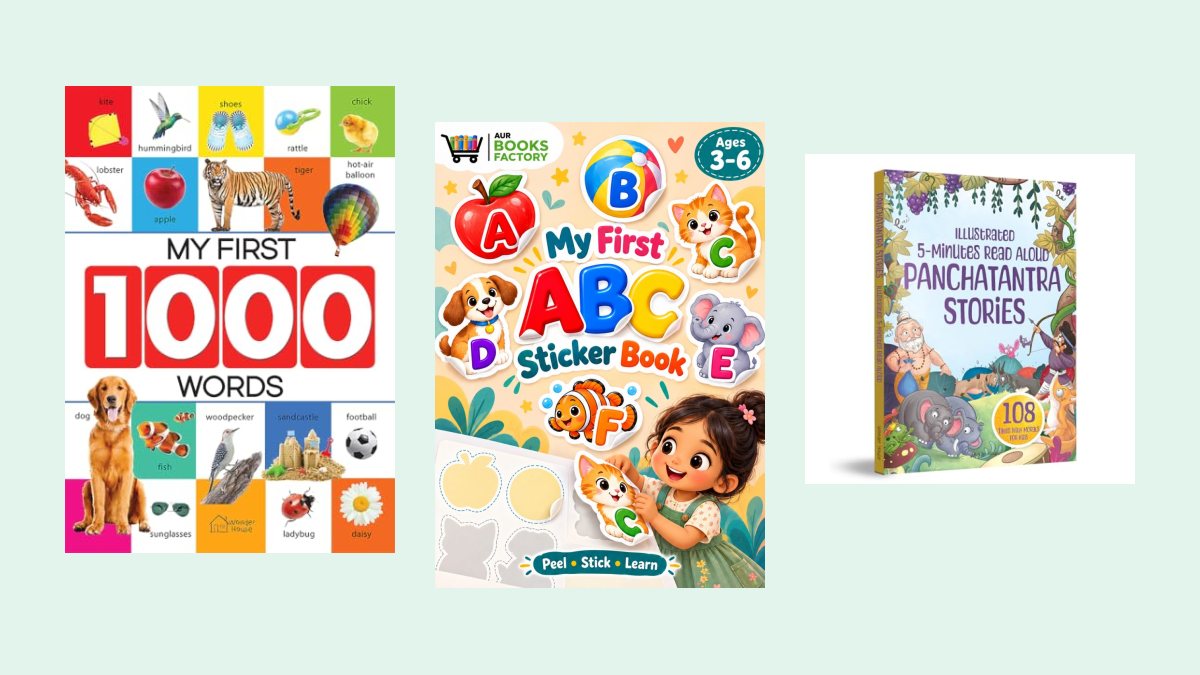
What a child gains here is vocabulary. Every time you point and name a picture, a new word goes in. A large first words book such as My First 1000 Words can be used daily for a year or more, and a boxed set of small board books like My First Library gives little hands books of their own size on animals, fruits, colours, shapes and numbers.
How to use them: five minutes at a time, several times a day. Name the picture, make the animal sound, ask "Where is the dog?" and let your child point.
Books for 3 to 4 year olds
Three year olds are ready to use a crayon with purpose. Before a child can write letters, the hand needs to learn standing lines, sleeping lines, slanting lines, curves and zigzags. This is called pre-writing, and it is the most useful thing you can practise at this age.
- Pre-writing and tracing: the Little Hands Pre-Writing books start with simple strokes and build up slowly, which is exactly what small hands need.
- Colouring: choose books with big pictures and thick outlines, like those in the Original Colouring Collection. Staying inside the lines is not the aim yet. Holding the crayon and enjoying colour is.
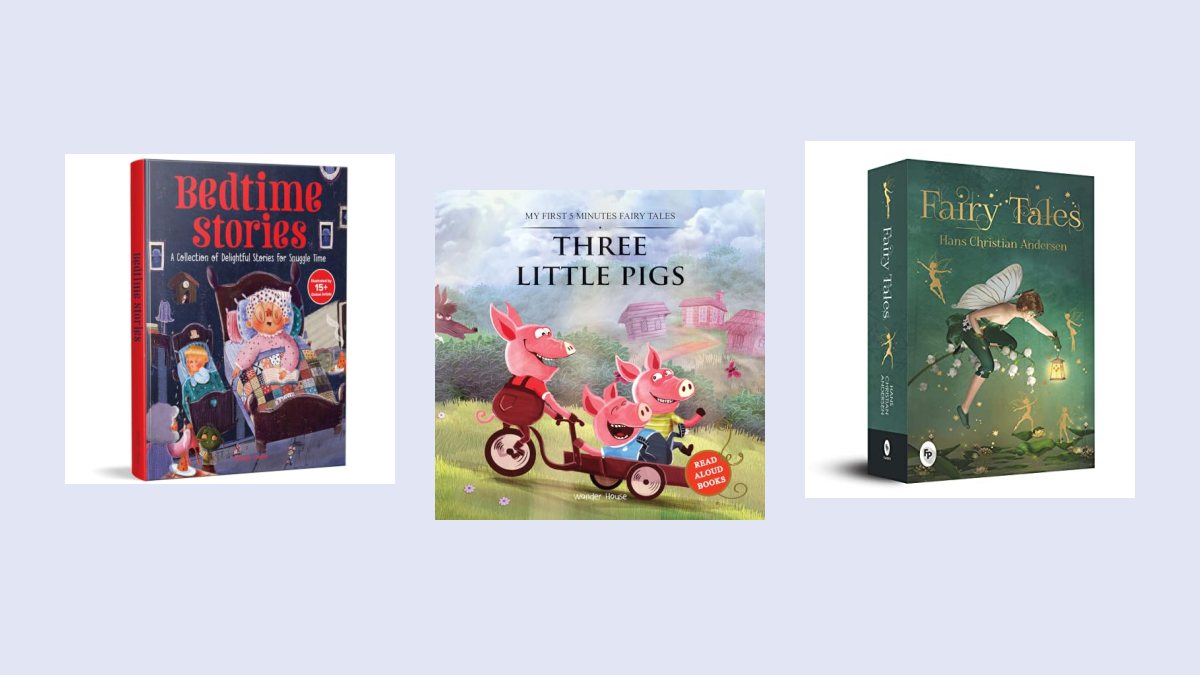
- Read aloud stories: short fairy tales with a picture on every page, such as My First 5 Minutes Fairy Tales: Cinderella, are just right for bedtime.
What to avoid: books that ask a three year old to write letters between narrow lines. It leads to frustration. Strokes first, letters later.
Books for 4 to 5 year olds
This is the year when letters and numbers start to make sense. Children begin to recognise the alphabet, connect letters with sounds, count objects and write some letters and numbers on their own.
- Alphabet writing: books that show each letter with a starting dot and direction arrows, such as those in the Write My ABC series, build correct habits from the start.
- Sticker books: peeling and placing a sticker is wonderful practice for finger control, and matching a sticker to its place builds observation. My First ABC Sticker Book turns alphabet practice into play.
- Numbers: look for books that link the number to a quantity, with pictures to count. The Maths Made Fun series moves from counting to writing numbers step by step.
- Thinking activities: simple mazes, matching and odd one out pages. 101 Brain Booster Activity Book is a good example.
How to use them: two pages a day is plenty. Sit beside your child, praise effort rather than neatness, and stop before they get tired.
Books for 5 to 6 year olds
Five is when many children begin to read. The most reliable way to get there is phonics: learning the sound each letter makes, then blending sounds into words. A child who knows that c, a and t say "cat" can read hundreds of new words without memorising them.
- Phonics: the Phonics Path series takes children from letter sounds to three letter words, word families and blends in small steps.
- First maths: counting to 100, before and after, more and less, and simple addition and subtraction with pictures.
- Write and wipe books: pages that can be written on and cleaned let children practise the same letter or sum many times without fear of mistakes. See the Write, Wipe and Learn series.
- Stories to read together: take turns. You read a page, your child reads a line. Pop-up books such as My First Pop-Up Fairy Tales: Beauty and the Beast keep a new reader interested.
Books for 6 to 8 year olds
By six or seven, most children can read simple text by themselves. Now the aim changes from learning to read to loving to read. Give them stories they want to finish and facts that answer their endless questions.
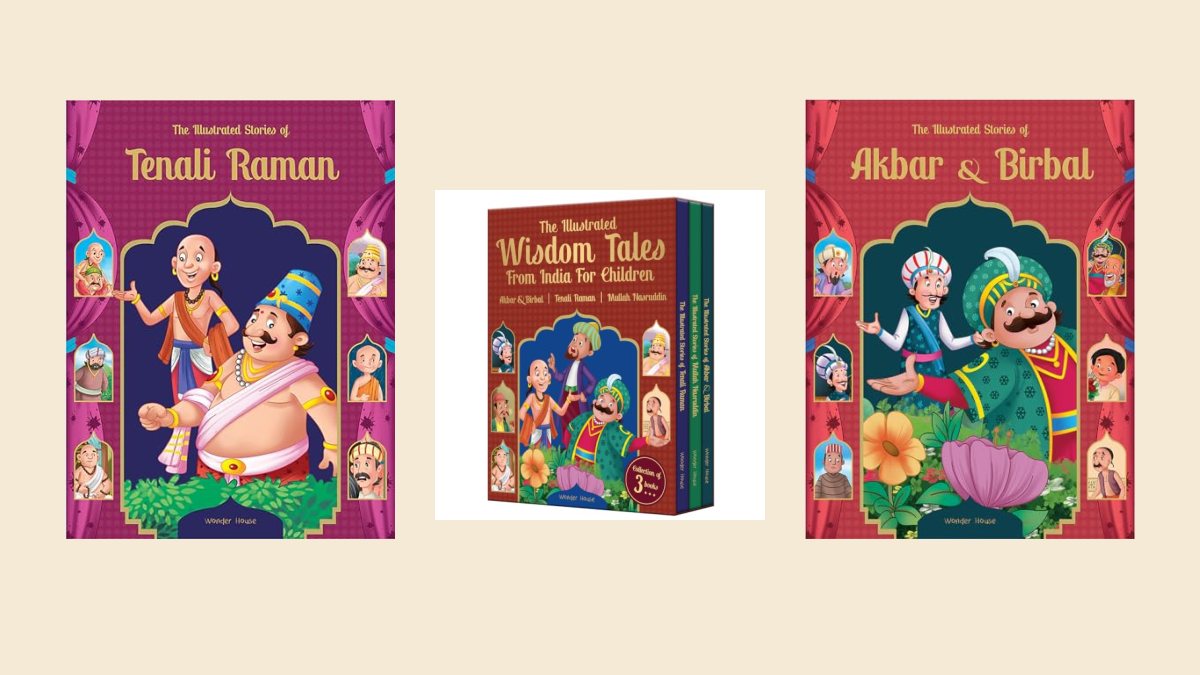
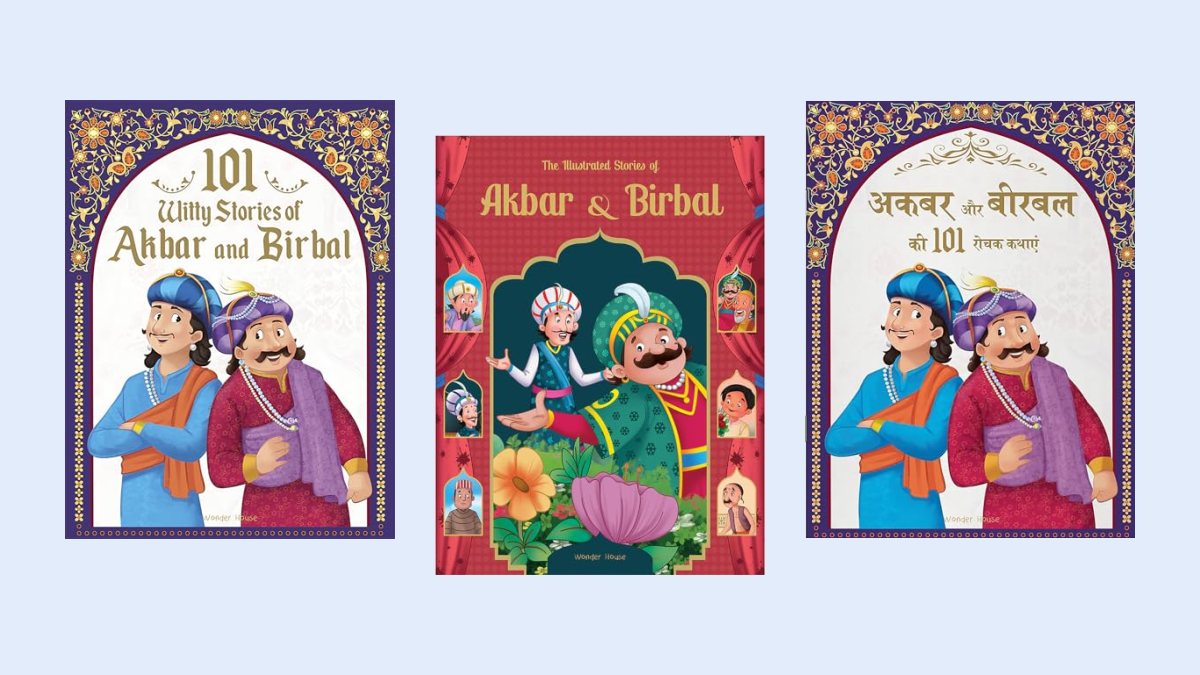
- Story collections: Indian classics are perfect for this age because each story is short and ends with something to think about. Try 108 Illustrated 5 Minutes Read Aloud Panchatantra Stories or the Witty Stories of Akbar and Birbal.
- Science and "why" books: children this age ask why the sky is blue and how planes fly. Why? How? What? Science for Curious Kids and the Little Explorers STEM series answer in simple words and pictures.
- Brain games: crosswords, spot the difference, logic puzzles and harder mazes build concentration. See the Little Genius Brain Booster series.
- Life skills: books about good habits, feelings and manners give you an easy way to talk about behaviour.
A tip for this age: let your child choose. A child who picks their own book is far more likely to read it to the end.
Five signs a book is right for your child
- They can do most of it alone. A good book is about eight parts easy and two parts challenging.
- The pages are not crowded. Younger children need a lot of white space and large pictures.
- The print is big enough. Small type tires a new reader quickly.
- It matches their interest. A child who loves dinosaurs will work harder on a dinosaur book than on anything else.
- They ask for it again. This is the only test that really matters.
Common mistakes parents make
- Buying for the next age. A book that is a year too advanced usually ends up untouched. Buy for today.
- Buying too many at once. Two or three books that get used are better than ten that sit in a pile.
- Treating books as homework. Keep it short and cheerful. Ten happy minutes a day beats an hour of struggle on Sunday.
- Stopping read aloud too early. Even children who can read alone love being read to. Keep going as long as they will let you.
Common questions
How many books should a child have? There is no fixed number. A small shelf of well chosen books that changes every few months is enough. What matters is that books are within reach and used every day.
What is the best first book for a toddler? A sturdy board book of first words with clear pictures of things the child already sees at home.
My child does not like books. What should I do? Start with activity, sticker or colouring books on a subject they love, and read aloud at the same time every day. Liking usually follows habit.
English or Hindi books first? Both. Children learn two languages together easily, and stories in the language spoken at home are especially good for understanding.
Find books for your child's age
If you want to browse by age rather than by type, the Shop by Age page groups books for 3 to 4, 4 to 6 and 6 to 8 years. You can also see everything in Children Books. Choose one book for where your child is today, and spend ten minutes with it together this evening.
0 Comments
Be the first to comment on this post.