
-
Fiction

- Romance
- Historical Fiction
- Crime & Mystery
- Modern Fiction (Post 1945)
- Religious & Spiritual
- Fiction-Related Item
- Fantasy
- Adventure
- Classic Fiction (Pre 1945)
- Fiction: Special Features
- Thriller / Suspense
- Science Fiction
- Philosophy
- Horror & Ghost Stories
- Graphic Novels
- Myth & Legend
- Sagas
- Poetry Anthology
- Erotic Fiction
- Society & Culture
- Film, TV & Radio
- Humour
-
Non-Fiction
Non-Fiction 13 categories · 2,996 booksView all
-
Teens & Ya
Teens & Ya 3 categories · 162 booksView all
-
Kids
- Picture Books
- Early Learning
- Fiction & True Story
- Picture & Activity Books
- General Non-Fiction
- Stationery & Misc
- Personal & Soc Issue
- Reference Material
- Fantasy
- Educational Material
- Modern Fiction (Post 1945)
- Horror
- Biography: General
- Graphic Novels
- Poetry Anthology
- Science Fiction
- Humour
- Myth & Legend
-
EXAMS
-
Shop by Age
-
Kids Books
-
Biography












-
Fiction
- Romance
- Historical Fiction
- Crime & Mystery
- Modern Fiction (Post 1945)
- Religious & Spiritual
- Fiction-Related Item
- Fantasy
- Adventure
- Classic Fiction (Pre 1945)
- Fiction: Special Features
- Thriller / Suspense
- Science Fiction
- Philosophy
- Horror & Ghost Stories
- Graphic Novels
- Myth & Legend
- Sagas
- Poetry Anthology
- Erotic Fiction
- Society & Culture
- Film, TV & Radio
- Humour
-
Non-Fiction
Non-Fiction 13 categories · 2,996 booksView all
-
Teens & Ya
Teens & Ya 3 categories · 162 booksView all
-
Kids
- Picture Books
- Early Learning
- Fiction & True Story
- Picture & Activity Books
- General Non-Fiction
- Stationery & Misc
- Personal & Soc Issue
- Reference Material
- Fantasy
- Educational Material
- Modern Fiction (Post 1945)
- Horror
- Biography: General
- Graphic Novels
- Poetry Anthology
- Science Fiction
- Humour
- Myth & Legend
-
EXAMS
-
Shop by Age
-
Kids Books
-
Biography
Finance and Investing Books: Two Classics to Start With
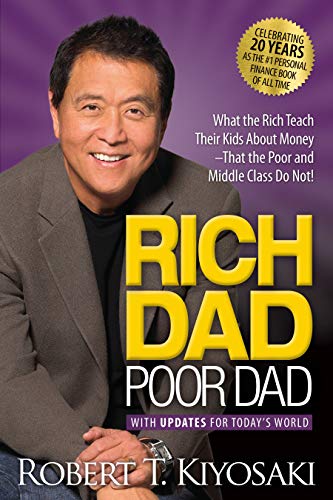
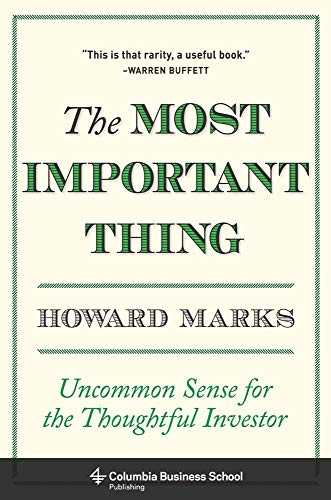
Good finance books can change how you think about money for the rest of your life. This is a very small shelf with only two titles, but both are among the most widely read money books in the world. Rich Dad Poor Dad by Robert T. Kiyosaki is often the first book people read about money. The Most Important Thing by Howard Marks is a far more thoughtful guide that serious investors keep coming back to. Reading them together makes a good beginning, as one changes your attitude to money, and the other teaches you how to think about risk.
A clear note before you read further: this page and these books offer general education, not investment advice. Every person's situation is different. All investments carry risk, including possible loss of capital. For big decisions, speak to a qualified and registered financial adviser.
Rich Dad Poor Dad: The Mindset Book
Rich Dad Poor Dad contrasts two father figures with very different attitudes to money. One of them believes in studying hard and getting a secure job. The other believes in owning assets that make money for you. The book's best known idea is the difference between an asset, which puts money into your pocket, and a liability, which takes it out. For many readers, particularly those who never discussed money at home, this comes as a real shock.
Its strength lies in making you think about money at all. Its weakness is that it is rather light on specifics, and some of its claims and methods have attracted criticism over the years. It is also written from an American perspective, so laws, taxes and property markets differ from those in India. Read it for inspiration and for questions, and not as a set of instructions to follow to the letter. In particular, be careful with its enthusiasm for taking on debt to buy property, which can be very risky if things go wrong.
The Most Important Thing: The Thinking Book
Howard Marks is the co-founder of Oaktree Capital, and he is widely known for the memos he writes to his clients. The Most Important Thing gathers his thinking on how to invest with care. It is not a get rich quick book at all, and that is exactly why so many experienced investors admire it. Its main ideas include these:
- Second level thinking. Do not just ask whether a company is good. Ask what everyone else already believes, and whether the price already reflects it.
- Risk is not the same as volatility. The real risk is permanent loss of money, and it is often highest when everybody feels safe.
- Market cycles. Markets swing between greed and fear, and you do not have to swing along with them.
- Price matters. A great company bought at a silly price can be a bad investment.
- Knowing what you do not know. Humility is a defence against big mistakes.
This one is a bit harder going for a complete beginner, but it is written in plain language, and it is well worth the effort. Many people read it first in their twenties and again in their forties, with quite different results.
Which One Should You Read First?
If you are new to money matters and just want a spark, begin with Rich Dad Poor Dad. It is quick and easy to read. If you already invest, or have a stock portfolio, or are thinking seriously about starting one, go to The Most Important Thing. If you have time for both, read them in that order, and notice how much more careful the second is than the first. That contrast is a valuable education in itself.
Basics to Get Right Before You Invest
No book can make up for missing the basics. Most sensible personal finance advice comes down to a few simple steps.
- Build an emergency fund that can cover several months of expenses.
- Pay off expensive debt first, especially credit card balances, as their interest rates are very high.
- Get adequate insurance, including health cover and term life cover if others depend on you.
- Start early and invest regularly, even if the amounts are small, as compounding needs time.
- Spread your money, rather than putting everything into one stock, one property or one idea.
- Keep your costs and taxes in mind, as they silently eat into your returns.
Understand a product before you buy it, and be very suspicious of anybody who promises guaranteed high returns, particularly on social media or through a "tip" on a messaging group. If something sounds too good to be true, it usually is. Check registrations on official regulator websites before you trust any adviser.
Reading Further
Since this shelf is so small, you should look elsewhere for more depth. Our main guides will point you in the right direction:
- Best personal finance books in India covers The Psychology of Money and Indian authors.
- Best stock market books for beginners sets out a reading order for new investors, including Hindi titles.
- Best business books for entrepreneurs suits those who want to build a business.
You will also find many more titles at business and management, business and money and economics. Those who would like the human side of money should try business biographies.
How to Get the Most From a Money Book
- Read with your own bank statement beside you. Abstract ideas become real when you look at your own numbers.
- Adapt foreign advice. American accounts and tax rules do not apply here, so look up the Indian equivalents.
- Take one action per book. Open that investment account, write that budget or review that insurance policy.
- Talk about money at home. Many families avoid it, yet openness helps prevent mistakes.
- Beware of overconfidence. Having read a book does not make you an expert, and markets can humble anyone.
- Keep your notes. Write down why you made each decision, so you can learn from it later on.
Teaching Children About Money
One of the lasting messages of Rich Dad Poor Dad is that schools rarely teach money skills. Families can help to fill that gap. Give children a small amount of pocket money, and let them make choices about spending and saving. Let them pay at a shop and count the change. Our Maths Made Fun series includes Money Made Easy for Kids for younger children. A child who understands saving at ten has a real head start in life.
Final Thought
Getting rich is not really the point of these books. The point is to reach a place where money causes you less fear, and gives you more choices. Read a little, think carefully, start small and be patient. Money rewards steady habits far more than clever tricks.