
-
Fiction

- Romance
- Historical Fiction
- Crime & Mystery
- Modern Fiction (Post 1945)
- Religious & Spiritual
- Fiction-Related Item
- Fantasy
- Adventure
- Classic Fiction (Pre 1945)
- Fiction: Special Features
- Thriller / Suspense
- Science Fiction
- Philosophy
- Horror & Ghost Stories
- Graphic Novels
- Myth & Legend
- Sagas
- Poetry Anthology
- Erotic Fiction
- Society & Culture
- Film, TV & Radio
- Humour
-
Non-Fiction
Non-Fiction 13 categories · 2,996 booksView all
-
Teens & Ya
Teens & Ya 3 categories · 162 booksView all
-
Kids
- Picture Books
- Early Learning
- Fiction & True Story
- Picture & Activity Books
- General Non-Fiction
- Stationery & Misc
- Personal & Soc Issue
- Reference Material
- Fantasy
- Educational Material
- Modern Fiction (Post 1945)
- Horror
- Biography: General
- Graphic Novels
- Poetry Anthology
- Science Fiction
- Humour
- Myth & Legend
-
EXAMS
-
Shop by Age
-
Kids Books
-
Biography









-
Fiction
- Romance
- Historical Fiction
- Crime & Mystery
- Modern Fiction (Post 1945)
- Religious & Spiritual
- Fiction-Related Item
- Fantasy
- Adventure
- Classic Fiction (Pre 1945)
- Fiction: Special Features
- Thriller / Suspense
- Science Fiction
- Philosophy
- Horror & Ghost Stories
- Graphic Novels
- Myth & Legend
- Sagas
- Poetry Anthology
- Erotic Fiction
- Society & Culture
- Film, TV & Radio
- Humour
-
Non-Fiction
Non-Fiction 13 categories · 2,996 booksView all
-
Teens & Ya
Teens & Ya 3 categories · 162 booksView all
-
Kids
- Picture Books
- Early Learning
- Fiction & True Story
- Picture & Activity Books
- General Non-Fiction
- Stationery & Misc
- Personal & Soc Issue
- Reference Material
- Fantasy
- Educational Material
- Modern Fiction (Post 1945)
- Horror
- Biography: General
- Graphic Novels
- Poetry Anthology
- Science Fiction
- Humour
- Myth & Legend
-
EXAMS
-
Shop by Age
-
Kids Books
-
Biography











Computer Books: Programming, Data Science, AI and Cyber Security
Everybody uses computers now, but understanding them is another matter. Computer science books can take you from your first program to serious work in data, security and artificial intelligence. This shelf covers an unusually wide range, from friendly For Dummies guides to rigorous university texts. It is for school and college students, working professionals who want to switch into tech, and anyone who is tired of feeling lost around technology.
Familiar names include William Stallings on security, E. Balagurusamy and Reema Thareja on C programming, Ivan Bayross on SQL, Robert Lafore on C++, Michael Sipser on the theory of computation on our maths shelf, and Jon Duckett, whose visually attractive books are loved by web design beginners.
Best Programming Books for Beginners
The biggest mistake that beginners make is collecting books about many languages. Pick one language, and stay with it until you can build something on your own.
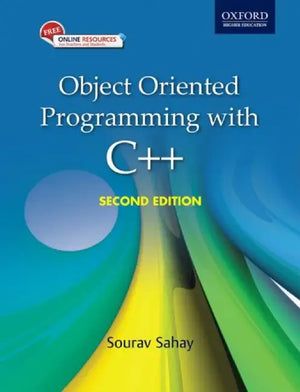
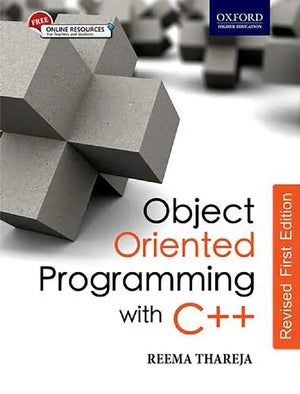
- C and C++: still widely taught in Indian colleges. Introduction to C Programming by Reema Thareja suits first year students, and Object Oriented Programming with C++ by Balagurusamy is a common course text. Robert Lafore's book is another popular choice.
- Java: many colleges and companies use it. Java for Dummies is a gentle start.
- Web development: Jon Duckett's books are an excellent introduction, and Thomas Powell's HTML and CSS: The Complete Reference is a deeper resource for later.
- JavaScript: Decoding JavaScript by Rushabh Mulraj Shah is an option for those moving into modern web work.
Whichever book you use, type every example yourself. Do not copy and paste. Then change something and see what breaks. That is where the real learning happens.
Artificial Intelligence and Data Science Books
AI books have become hugely popular, and for good reason. There are two kinds on this shelf, and you should know which one you need.
- Books to understand AI: The Shortest History of AI by Toby Walsh, Superintelligence by Nick Bostrom, and A Brief History of Intelligence by Max Bennett are for thoughtful readers, with no coding required.
- Books to use AI: Generative AI for Dummies by Pam Baker and Coding with AI for Dummies by Chris Minnick are practical, and Data Science Essentials for Dummies by Lillian Pierson is a sound introduction to working with data. Tshepo Chris Nokeri writes on applied data science.
Technology here changes every few months, so the publication date matters. Concepts last longer than specific tools. For a step by step reading plan, see our guide to the best books on artificial intelligence for beginners.
Computer Networks and Cyber Security Books
Cyber security is a fast growing career, and it starts with knowing how networks work. William Stallings' Network Security Essentials and Cryptography and Network Security are standard academic texts. Mike Chapple is well known for certification preparation, which is useful for those aiming at professional exams. Guide to Computer Forensics and Investigations by Bill Nelson covers how digital evidence is collected and studied. Set up a small lab at home on an old computer, and only ever practise on systems you have permission to test.
Databases, SQL and Cloud
Almost every application stores data, so database skills are always in demand. SQL, PL/SQL: The Programming Language of Oracle by Ivan Bayross has been used by Indian students for years, and SQL for Beginners offers a simple start. Practise by writing queries on a small dataset, such as your own monthly expenses. For the next step, Cloud Computing by Shailendra Singh explains how modern systems are built and delivered. Those interested in new areas can look at Blockchain Technology: Algorithms and Applications.
Computer Basics for Everyone
Not everyone wants to be a programmer, and that is fine. Paul McFedries, Andy Rathbone, Dan Gookin, Ruth Maran and David Pogue have spent years writing clear guides for ordinary users. Their books cover Windows, Mac, Excel and everyday software in plain language. Doug Lowe is well known for Word and PowerPoint guides. These titles are perfect for parents, senior citizens and office workers. One caution: software versions change, so choose a title for the version you are actually using. Older editions still explain the general ideas but screens may look different.
Books for College Students and Exams
BCA, MCA and B.Tech students will find course subjects covered here: digital logic with Morris Mano's Digital Design, object oriented programming with A. A. Puntambekar, software engineering and project management with Mike Cohn's Succeeding with Agile. GATE candidates can also look at GATE Computer Science and Information Technology by D. P. Nagpal and at our GATE exam books shelf.
For placements, data structures and algorithms matter most. Practise them daily, and solve problems on paper before typing the code. Interviewers want to see how you think, not just whether you can recall a method's name.
Understanding Technology and Society
Some of the best books here involve no code at all. The History of Computing by Doron Swade tells how we got here. Biometrics by Michael Fairhurst explains the science behind fingerprints and face recognition, and The Intelligent Web by Gautam Shroff describes the clever algorithms behind search. These books help managers, parents and policy makers think clearly about the technology shaping their lives.
How to Learn Computer Science on Your Own
- Build small projects. A simple to-do app or expense tracker teaches more than many chapters.
- Learn to read errors. Debugging is most of the job, and every error message is a small lesson.
- Practise regularly. Thirty minutes a day beats a whole weekend once a month.
- Learn the basics of Git and the command line. These are used everywhere, yet many colleges skip them.
- Share your work. A public portfolio often speaks louder than a certificate.
Where to Go Next
Computing depends on mathematics, particularly discrete maths and statistics. If hardware interests you, see engineering books, and for gentle reads on devices and new technology, browse science and technology. Young learners can begin with Little Explorers STEM. The field moves fast, but you do not have to keep up with all of it. Pick one skill, learn it properly, and let that lead you to the next.