
-
Fiction

- Romance
- Historical Fiction
- Crime & Mystery
- Modern Fiction (Post 1945)
- Religious & Spiritual
- Fiction-Related Item
- Fantasy
- Adventure
- Classic Fiction (Pre 1945)
- Fiction: Special Features
- Thriller / Suspense
- Science Fiction
- Philosophy
- Horror & Ghost Stories
- Graphic Novels
- Myth & Legend
- Sagas
- Poetry Anthology
- Erotic Fiction
- Society & Culture
- Film, TV & Radio
- Humour
-
Non-Fiction
Non-Fiction 13 categories · 2,996 booksView all
-
Teens & Ya
Teens & Ya 3 categories · 162 booksView all
-
Kids
- Picture Books
- Early Learning
- Fiction & True Story
- Picture & Activity Books
- General Non-Fiction
- Stationery & Misc
- Personal & Soc Issue
- Reference Material
- Fantasy
- Educational Material
- Modern Fiction (Post 1945)
- Horror
- Biography: General
- Graphic Novels
- Poetry Anthology
- Science Fiction
- Humour
- Myth & Legend
-
EXAMS
-
Shop by Age
-
Kids Books
-
Biography








-
Fiction
- Romance
- Historical Fiction
- Crime & Mystery
- Modern Fiction (Post 1945)
- Religious & Spiritual
- Fiction-Related Item
- Fantasy
- Adventure
- Classic Fiction (Pre 1945)
- Fiction: Special Features
- Thriller / Suspense
- Science Fiction
- Philosophy
- Horror & Ghost Stories
- Graphic Novels
- Myth & Legend
- Sagas
- Poetry Anthology
- Erotic Fiction
- Society & Culture
- Film, TV & Radio
- Humour
-
Non-Fiction
Non-Fiction 13 categories · 2,996 booksView all
-
Teens & Ya
Teens & Ya 3 categories · 162 booksView all
-
Kids
- Picture Books
- Early Learning
- Fiction & True Story
- Picture & Activity Books
- General Non-Fiction
- Stationery & Misc
- Personal & Soc Issue
- Reference Material
- Fantasy
- Educational Material
- Modern Fiction (Post 1945)
- Horror
- Biography: General
- Graphic Novels
- Poetry Anthology
- Science Fiction
- Humour
- Myth & Legend
-
EXAMS
-
Shop by Age
-
Kids Books
-
Biography
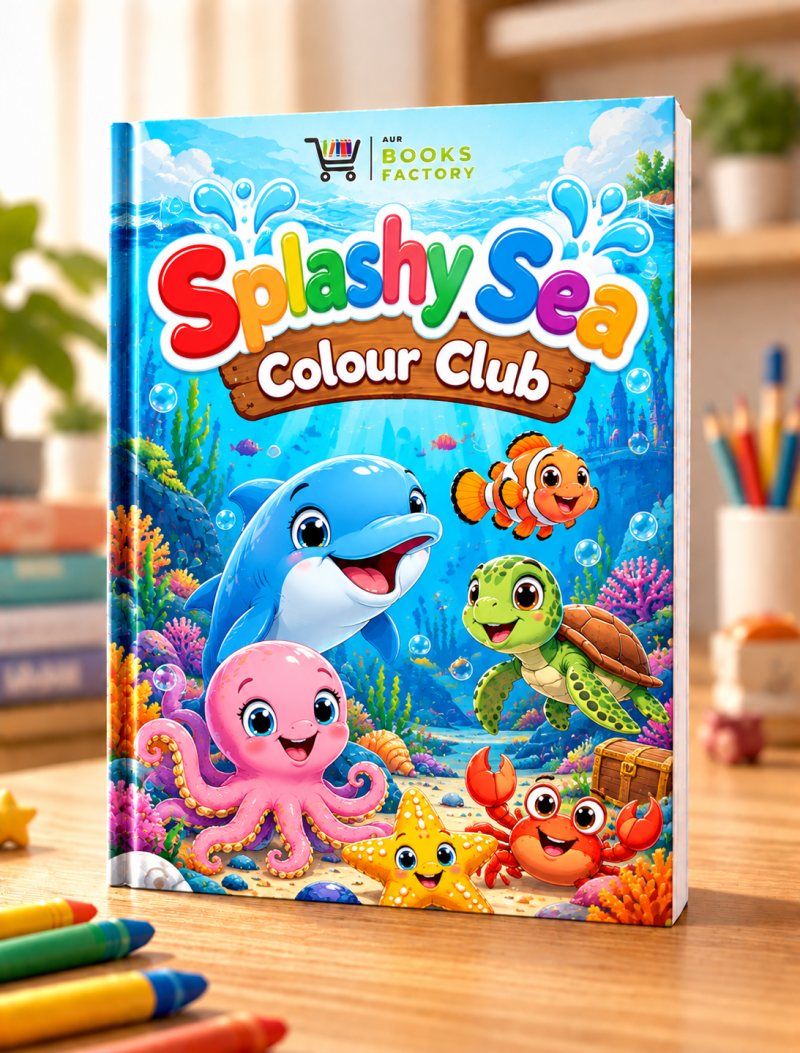
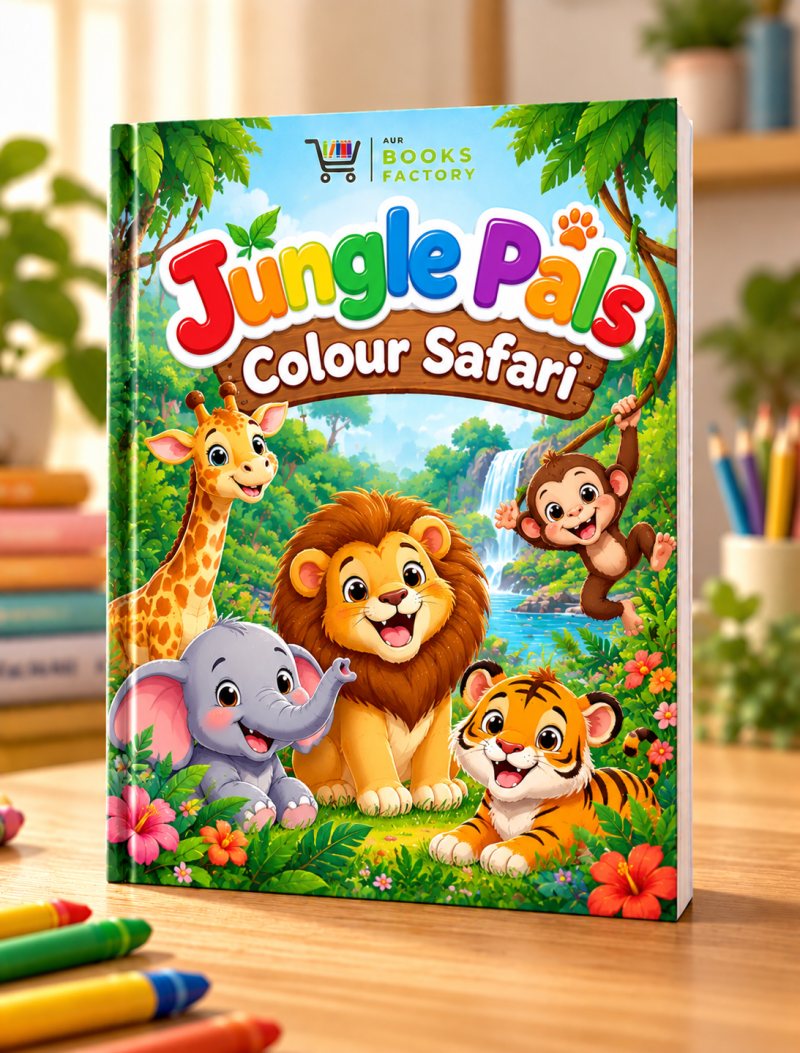
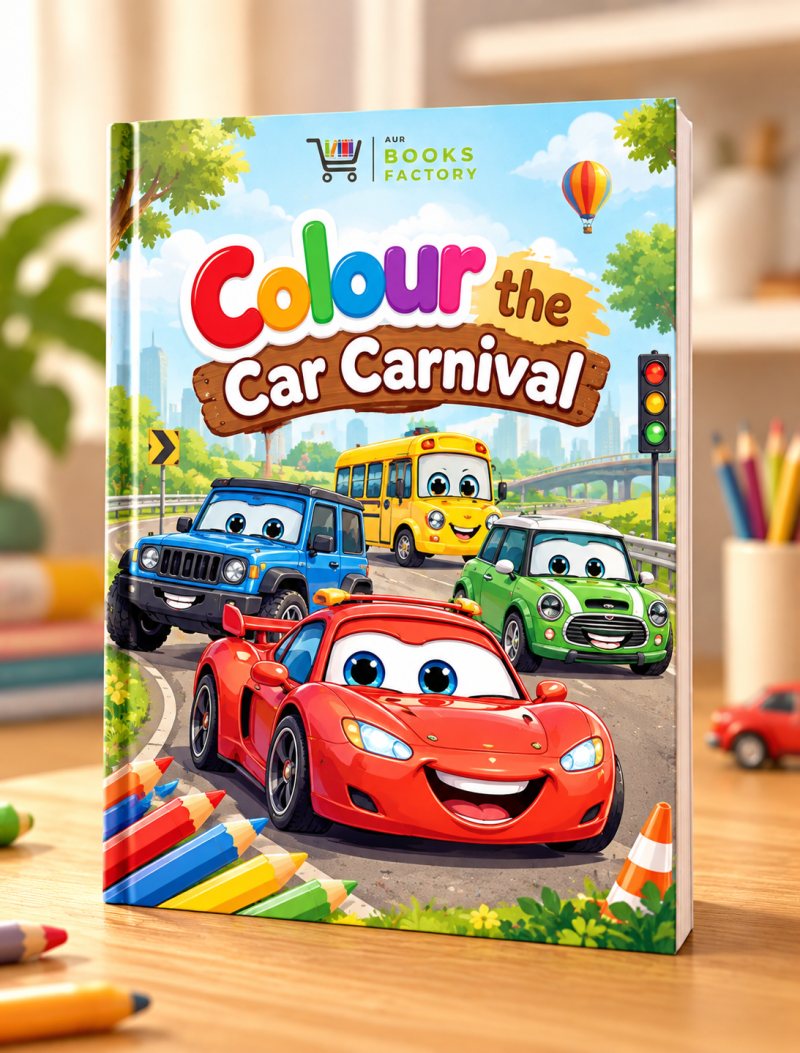
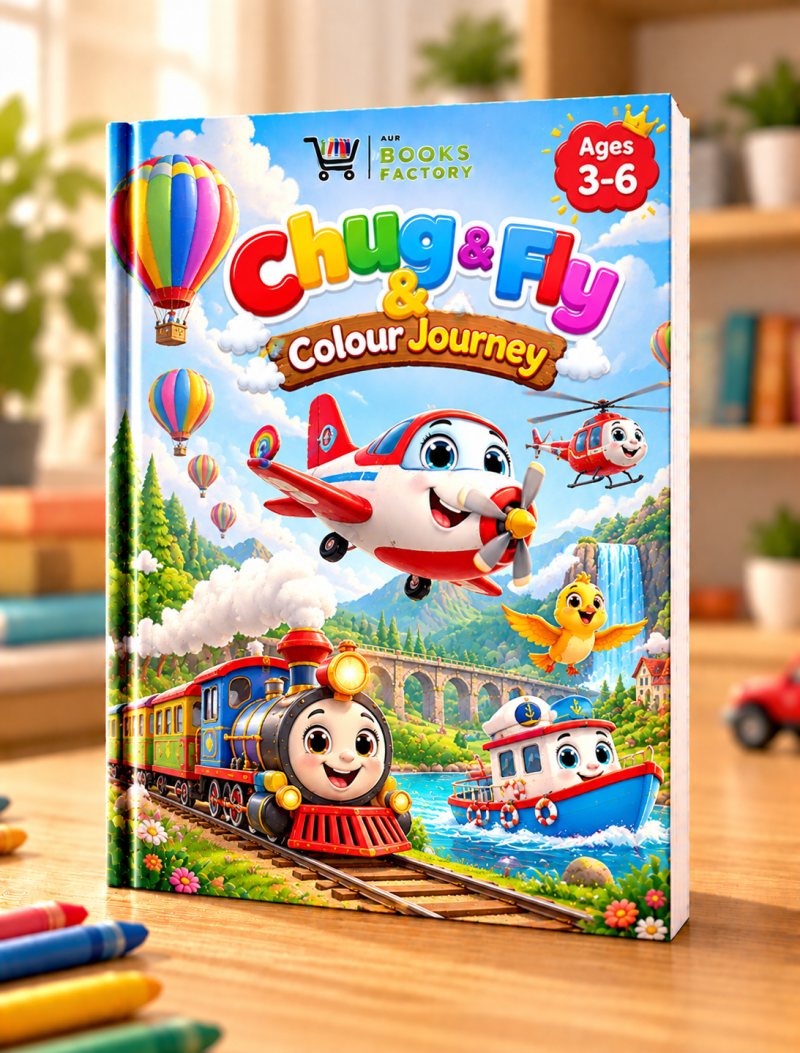
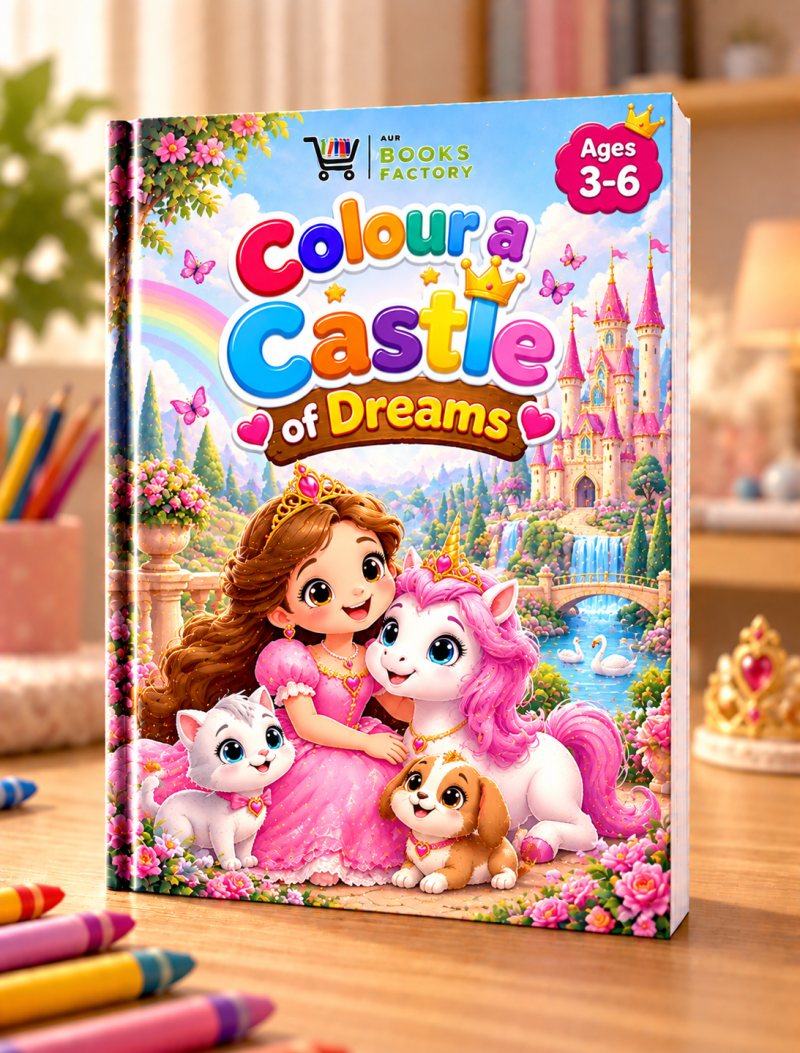
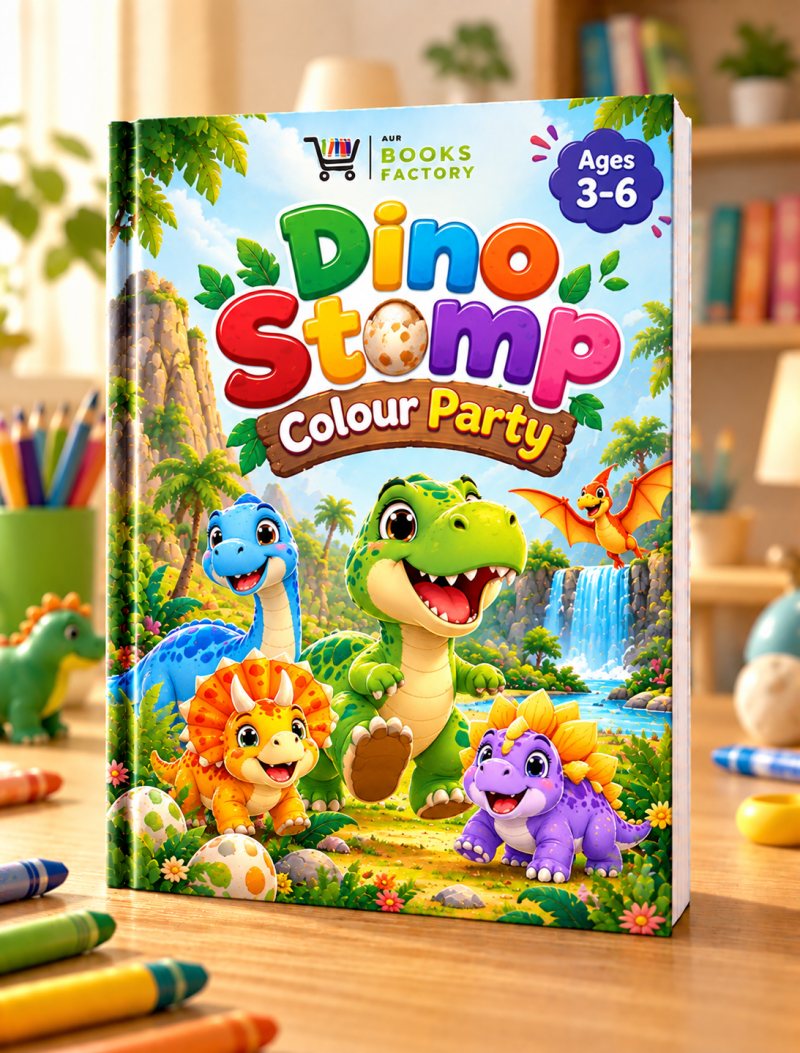
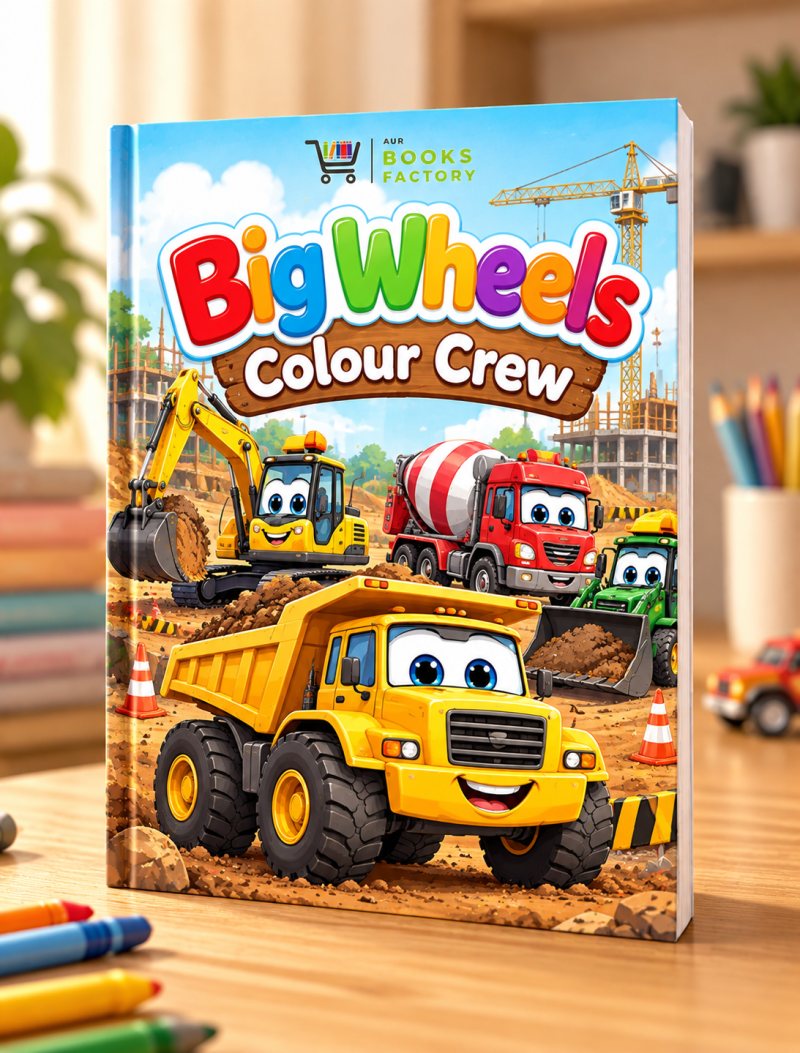
Colouring Books for Kids: The Original Colouring Collection
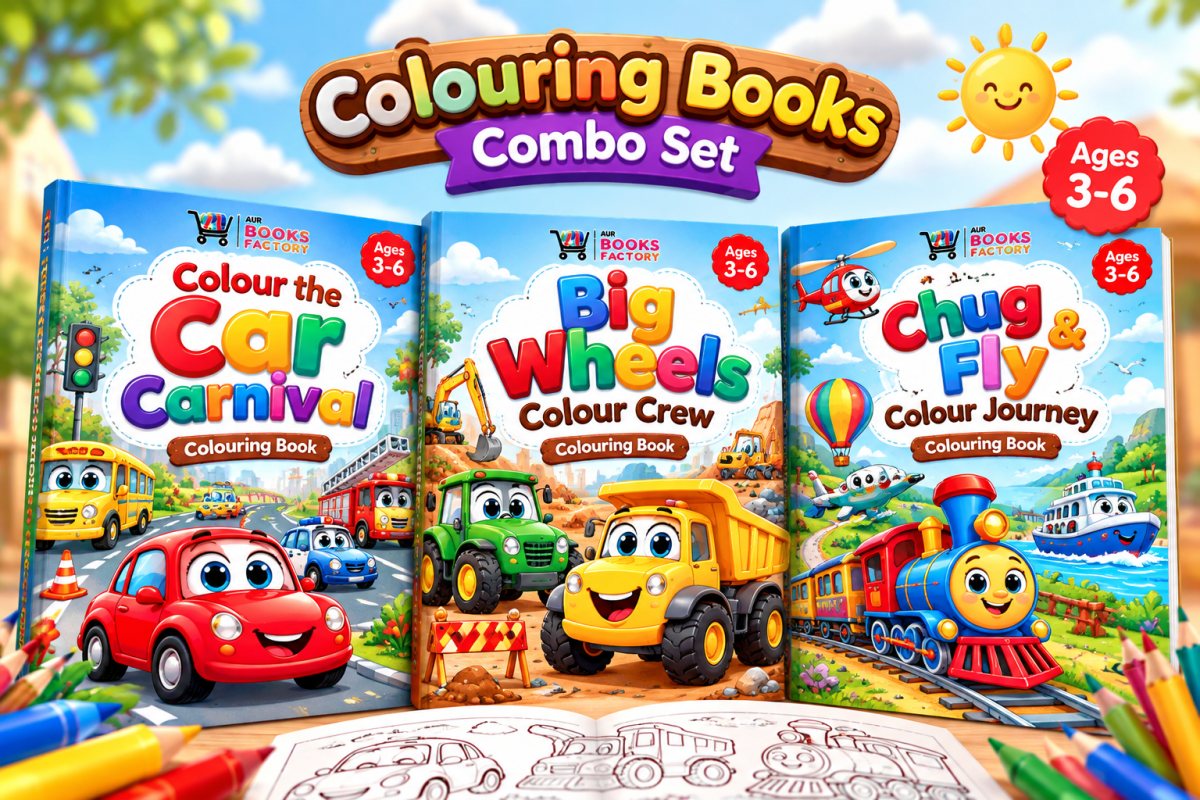
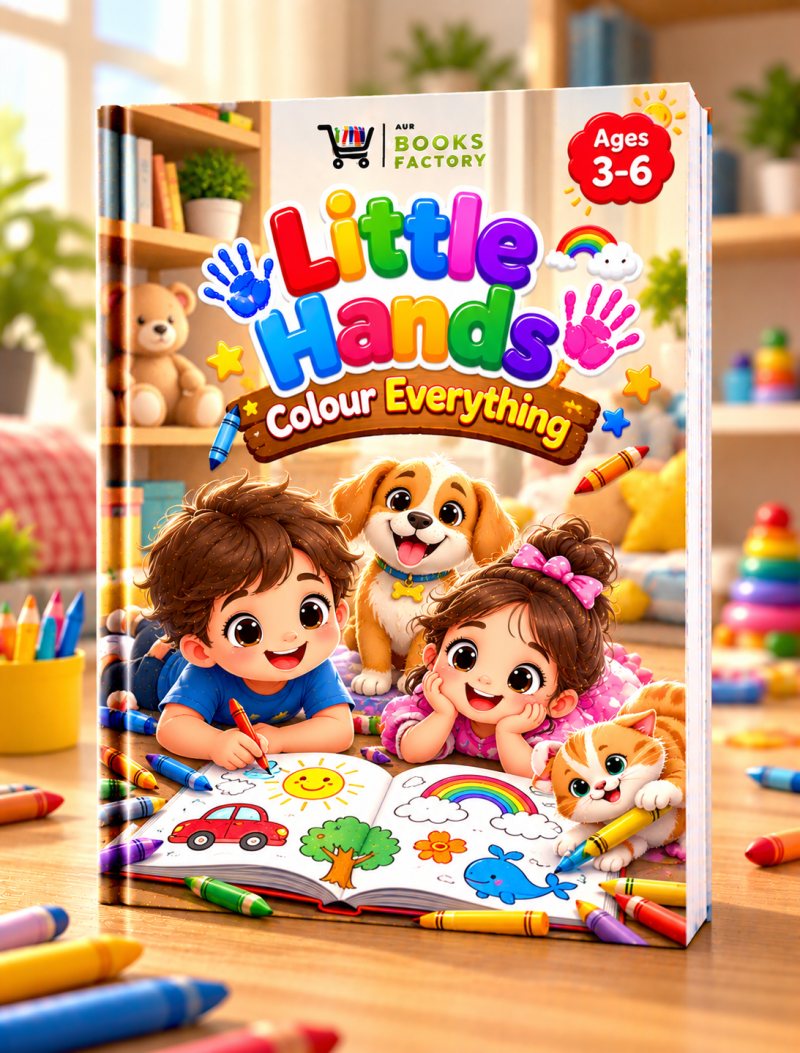
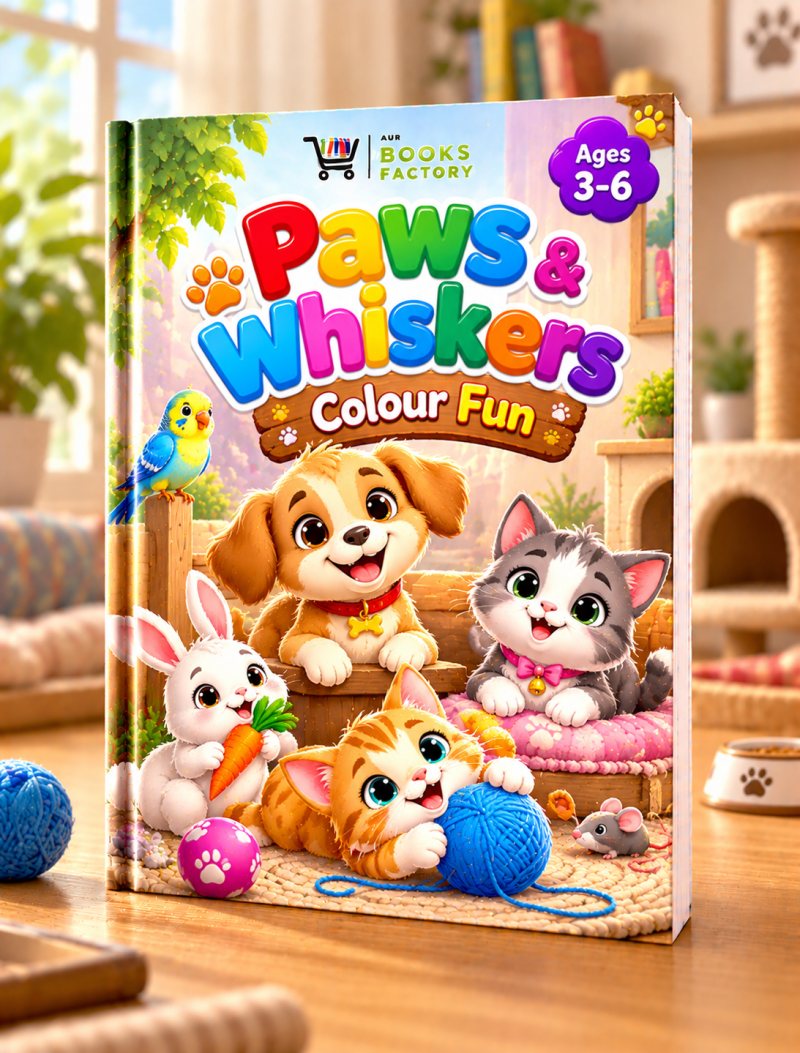
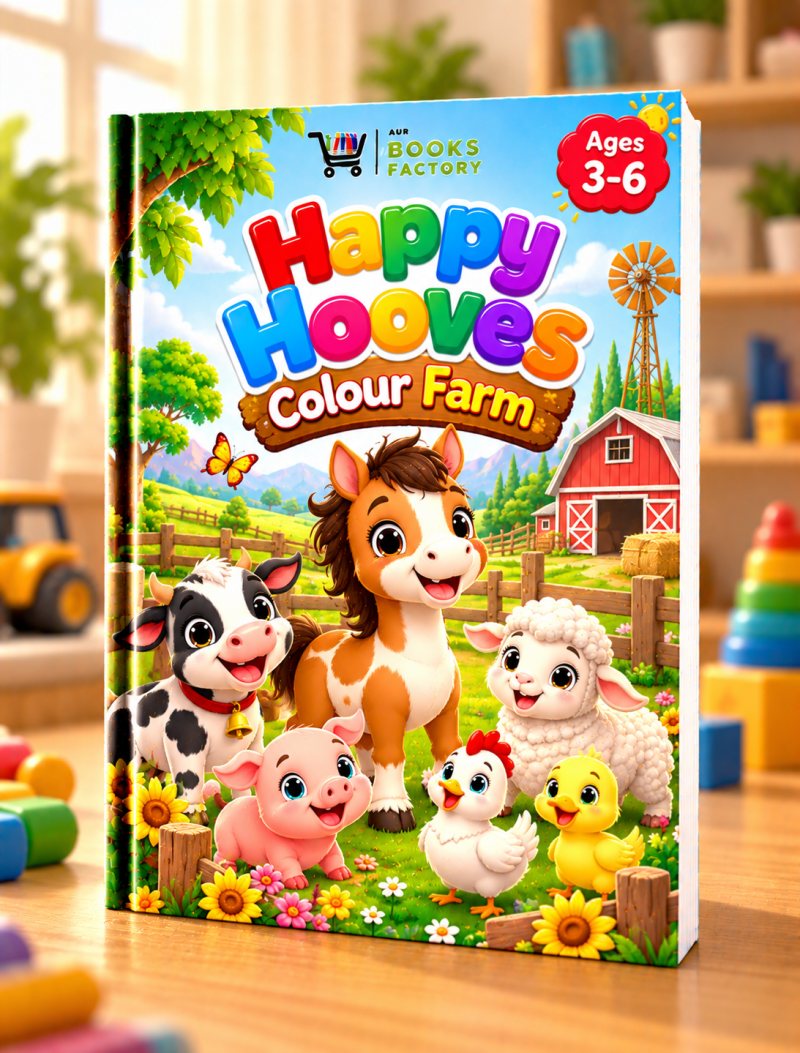
Colouring is often the first real thing that a young child does with a pencil, and most children come back to it again and again. It is cheap, quiet and absorbing, and it builds skills that matter for school. The Original Colouring Collection is a small series of colouring books for kids on themes that children love, including Jungle Pals Colour Safari, Happy Hooves Colour Farm, Splashy Sea Colour Club, Paws and Whiskers Colour Fun, Dino Stomp Colour Party, Colour a Castle of Dreams, Big Wheels Colour Crew, Chug and Fly Colour Journey, Colour the Car Carnival and Little Hands Colour Everything. There is also a Things That Go Colouring Combo.
How Colouring Helps a Young Child Grow
A colouring page seems simple, but your child's brain and hand are hard at work.
- Hand strength: gripping a crayon and pressing down builds the muscles needed for writing.
- Control: learning to stay near a line teaches the hand to do what the eye intends.
- Focus: finishing a picture requires a child to stick with a task, a skill that takes time to build.
- Colour knowledge: naming and choosing colours builds vocabulary and early thinking skills.
- Confidence: a finished picture is proof of what they can do, and it is theirs to show off.
- Calm: many children become more settled after some quiet time spent colouring.
Where to Start for the Youngest Children
Little Hands Colour Everything is a good first book. Very small children are not trying to colour neatly. They are finding out that their hand can make a mark, and that is exciting. Offer chunky crayons that are easy to grip and hard to break. Tape a page to the table if it keeps moving. And please do not expect anything to stay inside the lines. A two year old's scribbles are exactly as they should be. Comment on how much they are enjoying themselves, and never correct them at this stage.
Picking a Theme Your Child Loves
The simplest way to make colouring appealing is to let a child's interest lead the way.
- Animal lovers: Jungle Pals Colour Safari, Happy Hooves Colour Farm and Paws and Whiskers Colour Fun.
- Ocean fans: Splashy Sea Colour Club.
- Dinosaur followers: Dino Stomp Colour Party, full of big friendly shapes.
- Vehicle watchers: Big Wheels Colour Crew, Chug and Fly Colour Journey and Colour the Car Carnival.
- Little dreamers: Colour a Castle of Dreams.
You could also use a book to prepare for an outing. Colour Happy Hooves before a visit to a village or a farm, or Jungle Pals before going to the zoo, and your child will arrive excited and ready to spot every animal. Afterwards, you could ask them which colour the real animal turned out to be.
Colouring Skills, Age by Age
- Age 2 to 3: big scribbles across the page. Colour names begin to appear.
- Age 3 to 4: colouring mostly in the correct area, usually with one colour at a time.
- Age 4 to 5: more care around edges, plus using different colours in one picture.
- Age 5 to 6: neater strokes in one direction, and a growing interest in small details.
- Age 6 to 8: trying out shading, patterns and added backgrounds of their own.
Children progress at their own speed, so these ages are just rough markers. For more detail, read our guide on how to choose the right colouring book for your child's age.
Crayons, Pencils or Sketch Pens?
- Wax crayons: ideal for ages two to four. They are sturdy and easy to hold, and small hands can make bold marks without much pressure.
- Coloured pencils: better from about four or five, once your child wants more detail. Keep them sharpened for them.
- Sketch pens: bright and exciting, but they can bleed through the page, and caps often go missing. Put a sheet of scrap paper underneath, and use them for older children.
Whatever you use, choose non toxic materials, and stay nearby while children are very young. Keep all of the colours together with the book in a small box or pouch, so that it is easy to start whenever your child feels like it.
Should My Child Colour Inside the Lines?
Parents often ask this question. Staying inside the lines is a useful skill, but it should come naturally with time and not through pressure. Constant correction can make a young child anxious or stop them enjoying it altogether. Instead, you might colour your own page beside them, without commenting. They will gradually copy what they see. And please let them keep their creative choices. A purple elephant shows imagination, not error. There will be plenty of time later on for elephants to be grey.
Turning Colouring Into Conversation
Colouring is a wonderful time to talk, since nobody has to look at anyone and nothing is urgent. Try asking about the picture: "Where do you think this train is going? Who is riding on it?" You might also talk about their day. Children often share things during an activity that they would never mention if asked directly. Use the moment to teach colours, count wheels or name animals in your mother tongue, too. A few words of Hindi, Marathi or Tamil over a colouring page can help keep a language alive at home.
When Your Child Won't Sit Still
Some children just do not want to colour, at least not for long. That is fine. Try a few short minutes, offer larger pictures, or let them stand at a table or colour on the floor. Choose a theme they love. Sit with them, as many young children would rather do things alongside you than alone. If it still does not appeal, try stickers or play dough for hand strength, and come back to colouring later on. There is no rule that says every child must love it.
For Travel, Waiting Rooms and Holidays
A small colouring book and a few pencils can rescue a long train journey, a family function or a visit to the doctor. Pencils tend to travel better than crayons, as they do not melt in a hot car. During long holidays, you could create a family "gallery" on a wall and invite your child to choose their best pictures to display. Colouring books are also an easy and affordable choice for a return gift at a birthday party, and they will be used for far longer than a small plastic toy.
Where to Go Next
For more themes, explore the Colour and Explore Collection, and for a wider range of titles, see picture and activity books. As your child's hand grows stronger, move on to pre-writing books. Children who want to make more than colour pictures might enjoy Creative Hands. Find a quiet corner, open a page and let your child choose the first colour.
Let your child choose the colours, even if the sky turns purple. Confidence matters far more than neatness at this age.