
-
Fiction

- Romance
- Historical Fiction
- Crime & Mystery
- Modern Fiction (Post 1945)
- Religious & Spiritual
- Fiction-Related Item
- Fantasy
- Adventure
- Classic Fiction (Pre 1945)
- Fiction: Special Features
- Thriller / Suspense
- Science Fiction
- Philosophy
- Horror & Ghost Stories
- Graphic Novels
- Myth & Legend
- Sagas
- Poetry Anthology
- Erotic Fiction
- Society & Culture
- Film, TV & Radio
- Humour
-
Non-Fiction
Non-Fiction 13 categories · 2,996 booksView all
-
Teens & Ya
Teens & Ya 3 categories · 162 booksView all
-
Kids
- Picture Books
- Early Learning
- Fiction & True Story
- Picture & Activity Books
- General Non-Fiction
- Stationery & Misc
- Personal & Soc Issue
- Reference Material
- Fantasy
- Educational Material
- Modern Fiction (Post 1945)
- Horror
- Biography: General
- Graphic Novels
- Poetry Anthology
- Science Fiction
- Humour
- Myth & Legend
-
EXAMS
-
Shop by Age
-
Kids Books
-
Biography







-
Fiction
- Romance
- Historical Fiction
- Crime & Mystery
- Modern Fiction (Post 1945)
- Religious & Spiritual
- Fiction-Related Item
- Fantasy
- Adventure
- Classic Fiction (Pre 1945)
- Fiction: Special Features
- Thriller / Suspense
- Science Fiction
- Philosophy
- Horror & Ghost Stories
- Graphic Novels
- Myth & Legend
- Sagas
- Poetry Anthology
- Erotic Fiction
- Society & Culture
- Film, TV & Radio
- Humour
-
Non-Fiction
Non-Fiction 13 categories · 2,996 booksView all
-
Teens & Ya
Teens & Ya 3 categories · 162 booksView all
-
Kids
- Picture Books
- Early Learning
- Fiction & True Story
- Picture & Activity Books
- General Non-Fiction
- Stationery & Misc
- Personal & Soc Issue
- Reference Material
- Fantasy
- Educational Material
- Modern Fiction (Post 1945)
- Horror
- Biography: General
- Graphic Novels
- Poetry Anthology
- Science Fiction
- Humour
- Myth & Legend
-
EXAMS
-
Shop by Age
-
Kids Books
-
Biography




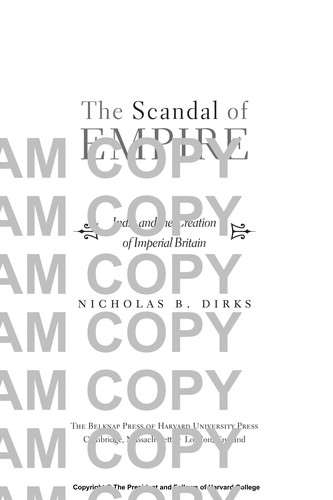
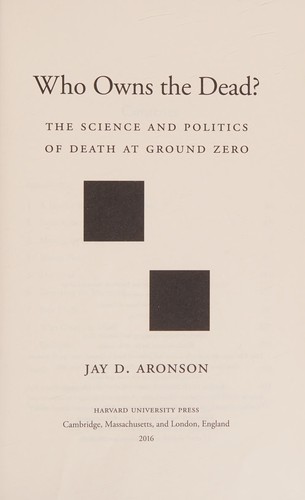
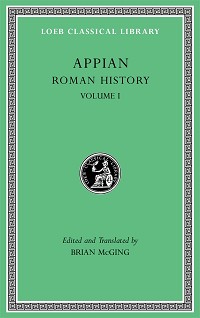

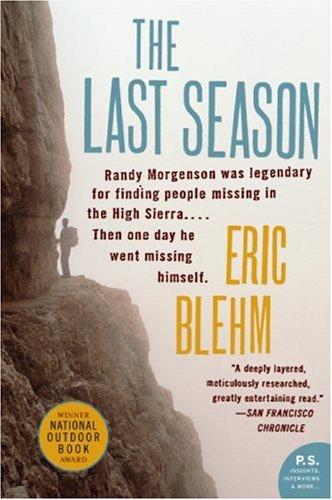






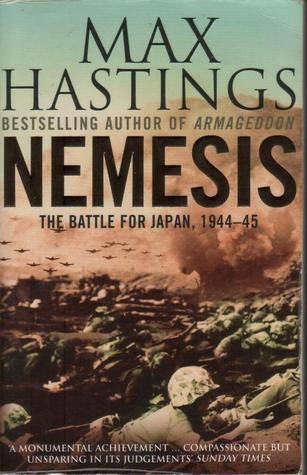
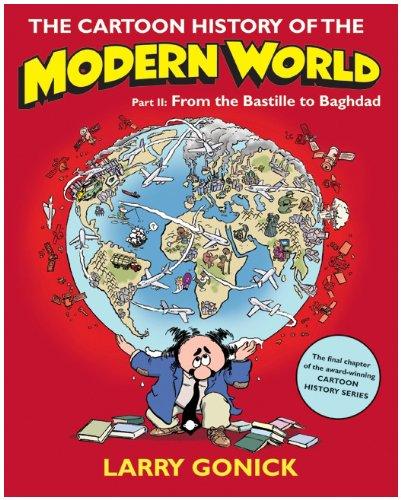
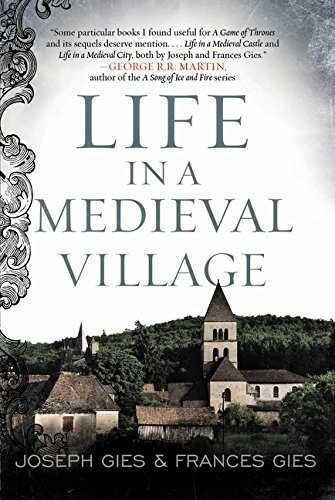
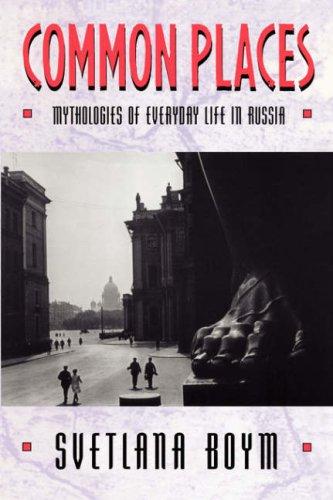


History Books: Indian History, the Freedom Struggle and the Wider World
If you want to understand today, read about yesterday. Why does the Indian subcontinent look the way it does? How did a trading company come to rule a civilisation? Why do old arguments keep returning in modern politics? History books help you answer such questions, and they often read better than novels. This large shelf covers Indian and world history, from serious academic work by scholars such as Irfan Habib and R. C. Majumdar to popular writing from William Dalrymple and Shashi Tharoor.
It serves three kinds of reader: students following a syllabus, civil services aspirants, and curious people who simply love a good story about the past.
Indian History Books
Indian history books make up a big part of this shelf. A good way of using it is to move through the periods in order, even if you later return to the parts that interest you most.
- Ancient India: Irfan Habib's A People's History of India series starts with prehistory, and History of Precolonial India by Kulke discusses key debates.
- Medieval India: Satish Chandra's Medieval India: From Sultanat is widely used by students, while Shireen Moosvi writes on the economic history of Mughal India.
- Primary sources: The History of Humayun by Gul-Badan Begam lets you hear a Mughal princess in her own voice.
- Colonial India: The Great Hedge of India by Roy Moxham tells a strange and little known story of British rule.
- Freedom movement: N. Jayapalan's History of the Freedom Movement (1857 to 1947) covers the whole period for students.
- Modern India: Pax Indica by Shashi Tharoor looks at India's place in the world.
Mughal History
Few subjects attract as much interest as the Mughals. This shelf offers everything from coins and courts to original records. Historical Gold Coins of Mughals and Economic History of Mughal India look at the empire through evidence that often surprises readers. Abul-Fazl's writing brings you into Akbar's court, and Niccolao Manucci's accounts offer an outsider's view. Reading a chronicle alongside a modern historian is especially rewarding, because you can see how historians question what old sources claim.
Books for UPSC and College History
For UPSC history books, the usual approach is to start with basic NCERT material, then add one standard book per period. Students of BA and MA history should always compare a book's contents with their syllabus.
- Make your own timeline. Dates only become useful once you can see what came before and after.
- Use maps. Territorial changes are far easier to remember visually.
- Practise answers. Writing helps you turn reading into something you can use in an exam.
- Note the historian's view. Good answers mention that scholars disagree and say why.
See also UPSC books for broader exam preparation.
World History Books
The shelf goes well beyond India. Merry E. Wiesner-Hanks and Jeremy Black write readable overviews of world and military history. Eric Foner's Give Me Liberty! is a well known account of American history, and China: A 5000 Year Odyssey offers a wide view of another ancient civilisation. Catherine Nixey's The Darkening Age challenges common ideas about the ancient world. For a quick introduction to almost any topic, try the Very Short Introduction titles, such as American Military History or Prohibition. These are particularly good when you want the outline of a subject before you commit to a longer book.
Popular History: Stories That Stay With You
Not every history book has to feel like work. William Dalrymple has brought Indian history to a very large audience through his narrative style, and Shashi Tharoor's writing on colonial rule has started many debates. Memsahibs by Ipshita Nath explores the lives of British women in India, and Indians in the First World War brings attention to soldiers often missing from the usual story. Michel Foucault's Madness and Civilization, meanwhile, shows how history can change the way we think about ideas we take for granted.
Regional History
India's history is not only the story of Delhi. History of the United Panjab, Punjab: The Crucial Decade, and Colonial and Contemporary Bihar and Jharkhand are good examples of work that looks closely at one region. British Paramountcy in Kashmir and Festivals at the Jaipur Court show how much detail lies in local records. Reading the history of your own state or town is a wonderful way to begin, since you already know the places that the book describes.
How to Read History Critically
History is not a fixed list of facts. It is a set of arguments based on evidence, and those arguments keep changing. When you read, ask a few simple questions. Who wrote this, and when? What sources does the writer rely on? Who is left out of the story? Reading two historians on the same event is one of the best habits you can build, particularly on sensitive topics such as partition, religion and empire. It teaches you to judge claims for yourself, a skill that is badly needed in the age of forwarded messages.
Where to Go Next
Physical evidence of the past lives in archaeology, and history through individual lives can be found in history biographies. If war and strategy interest you, explore warfare and defence. For the politics that history leaves behind, try politics and government, and for lighter reads, browse non-fiction history. Start with the period that makes you most curious, and let one good book lead you to the next.
History for Young and Casual Readers
You do not have to be a student to enjoy this subject. If textbooks put you off at school, begin with a single person or a single strange event instead of a whole century. The Great Hedge of India is a good example of how one odd detail can open up an entire empire. Parents can encourage children by visiting a nearby fort or museum and then reading about it together, because a place you have touched is far easier to remember. A short book read with real curiosity will teach you more than a thick volume left half finished on the shelf.