
-
Fiction

- Romance
- Historical Fiction
- Crime & Mystery
- Modern Fiction (Post 1945)
- Religious & Spiritual
- Fiction-Related Item
- Fantasy
- Adventure
- Classic Fiction (Pre 1945)
- Fiction: Special Features
- Thriller / Suspense
- Science Fiction
- Philosophy
- Horror & Ghost Stories
- Graphic Novels
- Myth & Legend
- Sagas
- Poetry Anthology
- Erotic Fiction
- Society & Culture
- Film, TV & Radio
- Humour
-
Non-Fiction
Non-Fiction 13 categories · 2,996 booksView all
-
Teens & Ya
Teens & Ya 3 categories · 162 booksView all
-
Kids
- Picture Books
- Early Learning
- Fiction & True Story
- Picture & Activity Books
- General Non-Fiction
- Stationery & Misc
- Personal & Soc Issue
- Reference Material
- Fantasy
- Educational Material
- Modern Fiction (Post 1945)
- Horror
- Biography: General
- Graphic Novels
- Poetry Anthology
- Science Fiction
- Humour
- Myth & Legend
-
EXAMS
-
Shop by Age
-
Kids Books
-
Biography







-
Fiction
- Romance
- Historical Fiction
- Crime & Mystery
- Modern Fiction (Post 1945)
- Religious & Spiritual
- Fiction-Related Item
- Fantasy
- Adventure
- Classic Fiction (Pre 1945)
- Fiction: Special Features
- Thriller / Suspense
- Science Fiction
- Philosophy
- Horror & Ghost Stories
- Graphic Novels
- Myth & Legend
- Sagas
- Poetry Anthology
- Erotic Fiction
- Society & Culture
- Film, TV & Radio
- Humour
-
Non-Fiction
Non-Fiction 13 categories · 2,996 booksView all
-
Teens & Ya
Teens & Ya 3 categories · 162 booksView all
-
Kids
- Picture Books
- Early Learning
- Fiction & True Story
- Picture & Activity Books
- General Non-Fiction
- Stationery & Misc
- Personal & Soc Issue
- Reference Material
- Fantasy
- Educational Material
- Modern Fiction (Post 1945)
- Horror
- Biography: General
- Graphic Novels
- Poetry Anthology
- Science Fiction
- Humour
- Myth & Legend
-
EXAMS
-
Shop by Age
-
Kids Books
-
Biography


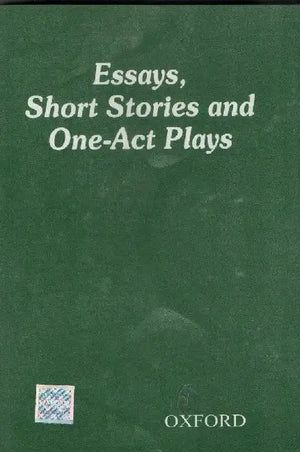












Dictionaries, Encyclopedias and English Language Books
Search engines can give you an answer in a second, but they rarely teach you how a word is really used, or show you a subject in its proper order. That is why a good dictionary and a reliable reference book still earn a place on the study table. This shelf is built around such books. It also includes language courses used in schools and colleges across India, and a range of practical reference and subject guides for students.
You will find Oxford dictionaries in many sizes and languages, English File by Christina Latham-Koenig, Headway by John and Liz Soars, Oxford's Dominoes graded readers, Reema Thareja's computing books, encyclopedias on India and titles from DK and Routledge.
Choosing the Right English Dictionary
Dictionaries differ more than most people think. Here is how to choose one.
- For a young learner: Use a school dictionary with simple definitions and pictures.
- For people learning English: A learner's dictionary explains words using a limited vocabulary, gives example sentences and shows how a word is used in a sentence.
- For Hindi speakers: A bilingual dictionary, such as the Mini English-Hindi Dictionary, can be a helpful first step, but move to an English only dictionary as your confidence grows.
- For other Indian languages: Dictionaries such as the Mini English-Tamil Dictionary serve other regional readers.
- For older readers: The Collins Large Print Dictionary is much easier on the eyes.
- For learning a foreign language: Bilingual dictionaries are widely available for languages like French.
Get into the habit of looking up one new word a day, reading all of its meanings and writing your own sentence with it. In a year, that is more than three hundred new words.
English Language Courses: English File and Headway
Many Indian schools and coaching centres use international English courses, and for good reason. English File is known for getting learners to speak from the first lesson, and this shelf includes workbooks from several levels, such as Intermediate Plus, Upper-Intermediate and Advanced Plus. Headway is another much used series, with workbooks at Elementary and Intermediate levels and Academic Skills books that focus on reading, writing and study skills. Oxford Skills World and Q Skills for Success are also here for those who want structured practice.
How do you pick a level? Try a sample chapter. If you understand almost everything without effort, move up a level. If you are stopping at every other word, come down one. It is better to feel comfortable and keep going than to struggle and give up. Workbooks with a key allow you to check your own answers, which is especially useful if you study alone.
Spoken English and Vocabulary
Plenty of readers want to speak with more confidence at interviews and at work. Word Power: Vocabulary Builder by Philip Sunil Solomon is one useful way of building vocabulary. But vocabulary alone will not make you a fluent speaker. Speak aloud every day, even if only to yourself. Record your voice and listen to it. Read simple stories regularly, as graded readers like Dominoes are specially written to match your level; a retelling of Macbeth at a 400 word level, for example, lets you enjoy Shakespeare's story long before you could manage the original. Our list of easy English novels for beginners is a good follow up.
Encyclopedias and Books of Facts
A proper encyclopedia is a wonderful thing to browse, because you go looking for one fact and come away with five others. This shelf includes the Encyclopaedia of North-East India by Col Ved Prakash, an in-depth look at a region that many Indians know too little about. Publishers like Europa publish yearbooks and regional surveys for researchers and librarians. Erik Gregersen and others have written Britannica guides on particular subjects, and DK's visual reference books are particularly popular with families. Literary study guides from Gale, Cengage Learning can also help students to understand set texts and popular novels. For children, see children's encyclopedias.
College and Professional Reference Books
Beyond language, this shelf holds a range of subject reference books widely used in universities. These include the following:
- Computing: Fundamentals of Computers and Programming in C by Reema Thareja are used in many engineering and BCA courses.
- Electronics: Microelectronic Circuits by Adel S. Sedra is a well known engineering text.
- Business: Services Marketing by Vinnie Jauhari, Human Resource Management by P. Jyothi, Organizational Behaviour by Bhattacharyya and Strategic Financial Management all serve MBA students.
- Ethics: Professional Ethics by R. Subramanian and Media Ethics by Paranjoy Guha Thakurta deal with values at work.
- Hospitality: Soft Skills for Hospitality and Computers in Hotels are for hotel management students.
- Geography and technology: Remote Sensing and GIS by Basudeb Bhatta is a commonly used textbook.
Since these are prescribed in many courses, check that your university recommends the same title and edition before relying on it.
Reference Skills Every Student Should Learn
Knowing how to look things up is a skill of its own, and it is one that is rarely taught.
- Use the index, not just the contents. This takes you straight to the exact page.
- Read the guide at the front. A dictionary's abbreviations and symbols are explained there, and they contain a lot of useful information.
- Check the date. A yearbook or a technical reference goes out of date, while a good dictionary lasts much longer.
- Compare two sources. Good habits start early, and if two respected references disagree, you have found something interesting.
- Note where you found it. This small habit will save you hours when you write an assignment or a thesis.
Reference Books as Gifts
A good dictionary is one of the most thoughtful gifts for a student who is starting college or a child entering a new school. It is useful for years, and it says that you take their future seriously. Write a short note inside the cover. Such a book often stays with a person long after the textbooks have gone.
Where to Go Next
To learn how to do research of your own, see research methods and library and information science. For languages other than English, go to language books. Students can find more help in study and reference, while young learners might start with our Phonics Path series. A single well chosen reference book, kept within reach, can quietly improve everything you read and write.