
-
Fiction

- Romance
- Historical Fiction
- Crime & Mystery
- Modern Fiction (Post 1945)
- Religious & Spiritual
- Fiction-Related Item
- Fantasy
- Adventure
- Classic Fiction (Pre 1945)
- Fiction: Special Features
- Thriller / Suspense
- Science Fiction
- Philosophy
- Horror & Ghost Stories
- Graphic Novels
- Myth & Legend
- Sagas
- Poetry Anthology
- Erotic Fiction
- Society & Culture
- Film, TV & Radio
- Humour
-
Non-Fiction
Non-Fiction 13 categories · 2,996 booksView all
-
Teens & Ya
Teens & Ya 3 categories · 162 booksView all
-
Kids
- Picture Books
- Early Learning
- Fiction & True Story
- Picture & Activity Books
- General Non-Fiction
- Stationery & Misc
- Personal & Soc Issue
- Reference Material
- Fantasy
- Educational Material
- Modern Fiction (Post 1945)
- Horror
- Biography: General
- Graphic Novels
- Poetry Anthology
- Science Fiction
- Humour
- Myth & Legend
-
EXAMS
-
Shop by Age
-
Kids Books
-
Biography









-
Fiction
- Romance
- Historical Fiction
- Crime & Mystery
- Modern Fiction (Post 1945)
- Religious & Spiritual
- Fiction-Related Item
- Fantasy
- Adventure
- Classic Fiction (Pre 1945)
- Fiction: Special Features
- Thriller / Suspense
- Science Fiction
- Philosophy
- Horror & Ghost Stories
- Graphic Novels
- Myth & Legend
- Sagas
- Poetry Anthology
- Erotic Fiction
- Society & Culture
- Film, TV & Radio
- Humour
-
Non-Fiction
Non-Fiction 13 categories · 2,996 booksView all
-
Teens & Ya
Teens & Ya 3 categories · 162 booksView all
-
Kids
- Picture Books
- Early Learning
- Fiction & True Story
- Picture & Activity Books
- General Non-Fiction
- Stationery & Misc
- Personal & Soc Issue
- Reference Material
- Fantasy
- Educational Material
- Modern Fiction (Post 1945)
- Horror
- Biography: General
- Graphic Novels
- Poetry Anthology
- Science Fiction
- Humour
- Myth & Legend
-
EXAMS
-
Shop by Age
-
Kids Books
-
Biography




Diaries and Journals: Real Lives Written Day by Day
A diary is the most honest kind of book there is. Nobody writes a diary expecting thousands of strangers to read it, so the voice is direct, unpolished and often surprising. Diaries and journals let you sit beside a person on an ordinary Tuesday during a war, a political crisis or a quiet season of life, and see the world exactly as it looked to them before anyone knew how the story would end.
This is a small, carefully chosen shelf. It holds a handful of titles, and each one is worth knowing about. Below you will find what is here, why it matters, and where to go next when you want more life writing.
What Is on This Shelf
- I Was Nehru's Shadow draws on the diaries of K. F. Rustamji, the police officer who was in charge of Jawaharlal Nehru's security. It gives a close, human view of the first Prime Minister, his habits, his temper and his travels across a young India.
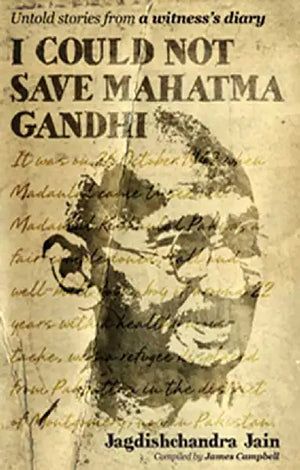
- I Could Not Save Mahatma Gandhi by Jagdishchandra Jain is built from a witness's diary of the days before the assassination of Gandhi in 1948. It is a sobering read for anyone interested in modern Indian history.
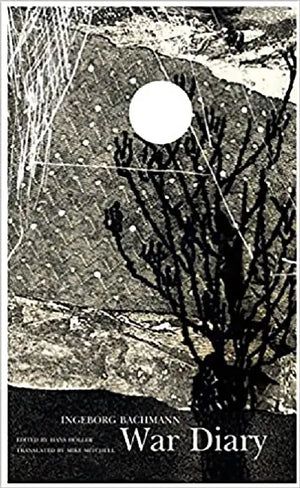
- War Diary by Ingeborg Bachmann, the Austrian poet, records her teenage years at the end of the Second World War. It is short, intense and moving.
- The Powell Diaries edited by Bill Rogers and The Diary of Joseph Farington edited by Gloria E. Garlick come from the British tradition of political and artistic diaries.
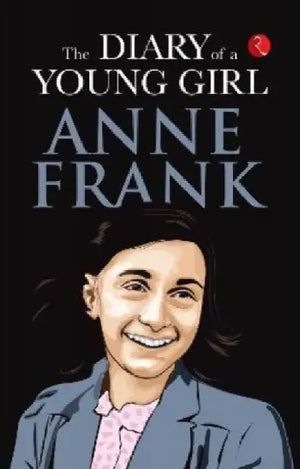
- A photographic book titled Diary of a Young Girl by Jordan Matter is also listed here. If you are looking for the famous diary of Anne Frank, it sits on our young adult non-fiction shelf, which is linked below.
Why Read Diaries
History books tell you what happened. Diaries tell you what it felt like. When Rustamji writes about a long day of travel with Nehru, you get details that no official report would include: the food, the fatigue, the small jokes. That texture is why historians treasure diaries, and why ordinary readers often find them more gripping than formal biography.
Diaries are also easy to read in short bursts. Each entry is complete on its own, so you can read three pages before bed and still feel that you have finished something. For busy readers, students and people who struggle to stay with long books, a diary is a gentle way back into reading.
Diaries of Indian History
India has a rich but under-read tradition of diaries and personal records, especially from the freedom struggle and the years after 1947. Officers, secretaries, journalists and family members often kept notes that later became books. The two Indian titles on this shelf, the Rustamji diaries and the Jain account of the Gandhi years, belong to this tradition. Read them alongside a good general history and you will see familiar events from a very different angle. Our history books shelf is the place to find that wider background.
How to Read a Diary Well
- Read the introduction first. Editors usually explain who the writer was, who else appears in the entries and what was going on at the time. Skipping it can leave you lost.
- Keep a timeline nearby. Jot down key dates on a bookmark. It helps you connect private entries to public events.
- Notice what is left out. Diarists often avoid the most painful subjects. Silences can say as much as words.
- Do not rush. A diary rewards slow reading. Let the voice of the writer settle into your head.
- Compare with other sources. If a diary describes a famous event, look up how biographers describe the same day. The differences are often fascinating.
Start Your Own Journal
Many readers who enjoy diaries end up keeping one. You do not need a special notebook or a writing talent. Write three lines a day: what happened, how you felt and one thing you noticed. After a year you will have a record of your own life that is far richer than any photo album. Teachers often recommend journaling for students, because it builds writing fluency and calms the mind before exams. Our motivational books shelf has titles that pair well with a daily writing habit.
Letters, Memoirs and Life Writing
If you enjoy diaries, the neighbouring forms of life writing are natural next steps. Letters have the same private, unguarded quality, and our diaries and letters shelf includes Jawaharlal Nehru's well loved Letters From a Father to His Daughter, along with letters of Charles Darwin, Robert Louis Stevenson and Beethoven. Memoirs are written later, with hindsight, so they are more shaped and reflective. Browse our memoirs shelf for those.
Diaries for Students and Young Readers
Diaries are excellent for school and college reading. They make history personal, and they show young readers that famous events were lived by real people who were often scared, bored or unsure. A student who reads a diary from the time of Partition or the Second World War will remember that period far better than one who has only read a textbook chapter. Teachers can use single entries as discussion starters: what did the writer know, what did they fear, and what would you have done?
Choosing Your First Diary
If you are new to the form, start with a book that connects to a subject you already care about. Interested in Indian politics? Choose the Rustamji diaries. Moved by the story of Gandhi? Pick the Jain account. Drawn to poetry and European history? Try Bachmann. A diary tied to your existing curiosity will hold your attention far better than one chosen at random.
Diaries as Gifts
A diary makes a thoughtful gift for a reader who already has everything on the bestseller lists. The Rustamji diaries suit anyone who enjoys Indian politics, while the Gandhi witness account is a meaningful choice for a grandparent or teacher with a love of history. Pair the book with a blank notebook, and you have given someone both a story to read and a place to start their own.
Where to Go Next
This shelf is small, but life writing as a whole is one of the strongest parts of our catalogue. Explore the full biography and autobiography section for lives of leaders, artists, scientists and sportspeople. Wherever you begin, a good diary leaves you with the strange and lovely feeling that you have met someone you will never forget, even though you only ever knew them through their private pages.
Reading other people's diaries may even inspire you to keep one of your own, and it is a good habit for sorting out your thoughts.