
-
Fiction

- Romance
- Historical Fiction
- Crime & Mystery
- Modern Fiction (Post 1945)
- Religious & Spiritual
- Fiction-Related Item
- Fantasy
- Adventure
- Classic Fiction (Pre 1945)
- Fiction: Special Features
- Thriller / Suspense
- Science Fiction
- Philosophy
- Horror & Ghost Stories
- Graphic Novels
- Myth & Legend
- Sagas
- Poetry Anthology
- Erotic Fiction
- Society & Culture
- Film, TV & Radio
- Humour
-
Non-Fiction
Non-Fiction 13 categories · 2,996 booksView all
-
Teens & Ya
Teens & Ya 3 categories · 162 booksView all
-
Kids
- Picture Books
- Early Learning
- Fiction & True Story
- Picture & Activity Books
- General Non-Fiction
- Stationery & Misc
- Personal & Soc Issue
- Reference Material
- Fantasy
- Educational Material
- Modern Fiction (Post 1945)
- Horror
- Biography: General
- Graphic Novels
- Poetry Anthology
- Science Fiction
- Humour
- Myth & Legend
-
EXAMS
-
Shop by Age
-
Kids Books
-
Biography









![Dr. Nicholas Is Ridiculous]](https://www.booksfactory.in/public/upload/product/imp_9780062042187_6aaa9e636f958.jpg)





-
Fiction
- Romance
- Historical Fiction
- Crime & Mystery
- Modern Fiction (Post 1945)
- Religious & Spiritual
- Fiction-Related Item
- Fantasy
- Adventure
- Classic Fiction (Pre 1945)
- Fiction: Special Features
- Thriller / Suspense
- Science Fiction
- Philosophy
- Horror & Ghost Stories
- Graphic Novels
- Myth & Legend
- Sagas
- Poetry Anthology
- Erotic Fiction
- Society & Culture
- Film, TV & Radio
- Humour
-
Non-Fiction
Non-Fiction 13 categories · 2,996 booksView all
-
Teens & Ya
Teens & Ya 3 categories · 162 booksView all
-
Kids
- Picture Books
- Early Learning
- Fiction & True Story
- Picture & Activity Books
- General Non-Fiction
- Stationery & Misc
- Personal & Soc Issue
- Reference Material
- Fantasy
- Educational Material
- Modern Fiction (Post 1945)
- Horror
- Biography: General
- Graphic Novels
- Poetry Anthology
- Science Fiction
- Humour
- Myth & Legend
-
EXAMS
-
Shop by Age
-
Kids Books
-
Biography






















Philosophy Books: Stoics, Vedanta, Russell, Osho and the Big Questions of Life
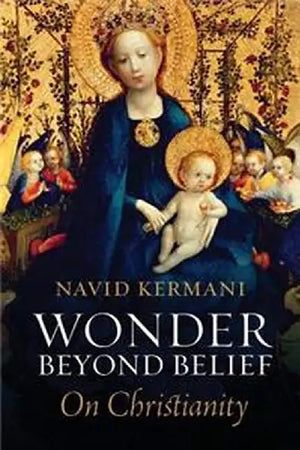
Sooner or later, almost everyone asks the same few questions. What makes a life good? Is there a self behind my thoughts? How should I act when no rule tells me what to do? Philosophy books are the record of people who refused to stop asking. This is one of the largest shelves at BooksFactory, and it reaches from Plato, Immanuel Kant and Friedrich Nietzsche to the Upanishads, Sri Aurobindo, Swami Vivekananda and Osho. You will also find books on faith and Christian thought, because this shelf sits where philosophy and religion meet.
That range can feel overwhelming at first. The good news is that you do not have to read in any fixed order. Unlike a maths course, philosophy lets you walk in through whichever door interests you most, and you can always come back for the others later.
Philosophy Books for Beginners
If you are new to the subject, resist the urge to start with the hardest name you have heard of. Kant's writing is difficult even for professors. Choose something short and human, then build from there.
- Meditations by Marcus Aurelius. A Roman emperor's private notes to himself on staying calm and decent. Read one page each morning.
- Discourses and Selected Writings by Epictetus. Blunt, practical Stoic teaching on what is and is not in your control.
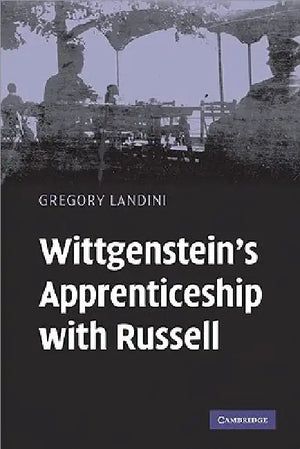
- Bertrand Russell's essays. Authority and the Individual and The Scientific Outlook are clear and often very witty.
- Very Short Introductions. Titles such as Medieval Philosophy give you a whole field in a few evenings.
- The Prophet by Kahlil Gibran. More poetry than argument, yet many readers find it the gentlest way in.
Stoicism: Why So Many Readers Are Turning to It
Stoic philosophy has become popular again, particularly among young professionals. Its central idea is simple: you cannot control events, but you can control your response to them. That is easy to say and hard to do, which is why these old books still feel useful. If this appeals to you, start with Marcus Aurelius, move to Epictetus, and keep a small notebook of the lines that help you most. Robert Greene's The Daily Laws is a modern book of daily reflections that readers of this kind often enjoy.
Indian Philosophy Books
India has one of the oldest philosophical traditions in the world, and much of it is still living practice. Indian philosophy books on this shelf include translations of The Upanishads, The Vedanta Sutras, and commentaries on the Bhagavad Gita, such as Bhagavad Gita According to Gandhi. An Introduction to Jain Philosophy explores a tradition that places deep emphasis on non-violence. Bibek Debroy's Mahabharata brings the great epic to English readers in full.
A good route is to begin with the Gita, because it deals directly with duty and action. Then read a selection of the Upanishads for their questions about the self. After that, Vedanta commentary will make far more sense. Parents who want to introduce these ideas at home can read our simple guide to the Bhagavad Gita for kids.
Modern Spiritual Teachers
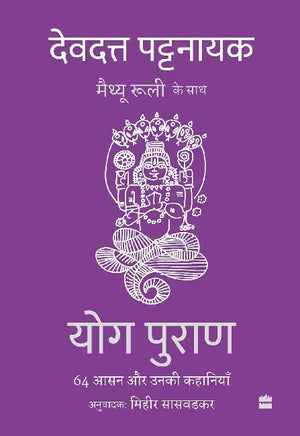
Many readers come here not for academic study but for help with everyday life. Osho remains a favourite for his playful, provocative talks. Sadhguru writes about inner wellbeing, and Paramahansa Yogananda's Autobiography of a Yogi has introduced many people around the world to yoga and meditation. Devdutt Pattanaik is known for explaining Indian mythology in a clear and modern way, and Shashi Tharoor's Why I Am a Hindu gives a thoughtful personal account of faith.
Read such books with an open but questioning mind. Take what helps you, test it in your own life, and do not feel you must agree with every word.
Western Philosophy: Where the Arguments Began
Western philosophy books begin with Plato, whose dialogues are still among the most enjoyable ways to learn how to think. From there the shelf moves through thinkers such as John Stuart Mill on liberty and happiness, Kant on moral law, Nietzsche on values, Karl Popper on how science really grows, and Jean-Paul Sartre on freedom and responsibility. Popper's Conjectures and Refutations is especially useful for anyone interested in the difference between real knowledge and mere opinion.
Philosophy Books for Students
BA and MA philosophy students, along with UPSC candidates taking the optional paper and those preparing for the Ethics paper, will find primary texts and overviews here.
- Read the original alongside a guide. Secondary books help, but your own reading of the text matters most.
- Write out each argument in your own words. If you cannot explain it simply, you have not understood it yet.
- Compare traditions. Examiners appreciate answers that connect Indian and Western ideas with care.
- Check your syllabus. Choose editions and translations that your department recommends.
How to Read Philosophy Without Giving Up
Read slowly and expect to reread. Ten pages understood are worth more than a hundred skimmed. Discuss what you read with a friend if you can, as ideas become clearer when you have to explain them. It also helps to read with a pencil and argue in the margins. These writers wanted to be questioned, not just admired.
Keep Exploring
For shorter reads on the same questions, browse spirituality and philosophy. For scripture and devotional reading, visit world religions. If you prefer practical habits and confidence building, try motivational books, or see the 12 best self help books. Philosophy may not hand you final answers, but it will change the quality of your questions, and that is often where a better life begins.
A Simple Thirty Day Reading Plan
If you would like some structure, try this. In the first week, read one page of Meditations each morning and write down a single line that stays with you. In the second week, read a few of Bertrand Russell's essays and notice how he builds an argument step by step. In the third week, turn to the Bhagavad Gita or the Upanishads with a commentary beside you. In the final week, pick whichever voice you enjoyed most and read a full book by that writer. Thirty days of ten minute sessions will teach you far more than one heroic weekend, and you will end the month knowing what kind of philosophy actually speaks to you.