
-
Fiction

- Romance
- Historical Fiction
- Crime & Mystery
- Modern Fiction (Post 1945)
- Religious & Spiritual
- Fiction-Related Item
- Fantasy
- Adventure
- Classic Fiction (Pre 1945)
- Fiction: Special Features
- Thriller / Suspense
- Science Fiction
- Philosophy
- Horror & Ghost Stories
- Graphic Novels
- Myth & Legend
- Sagas
- Poetry Anthology
- Erotic Fiction
- Society & Culture
- Film, TV & Radio
- Humour
-
Non-Fiction
Non-Fiction 13 categories · 2,996 booksView all
-
Teens & Ya
Teens & Ya 3 categories · 162 booksView all
-
Kids
- Picture Books
- Early Learning
- Fiction & True Story
- Picture & Activity Books
- General Non-Fiction
- Stationery & Misc
- Personal & Soc Issue
- Reference Material
- Fantasy
- Educational Material
- Modern Fiction (Post 1945)
- Horror
- Biography: General
- Graphic Novels
- Poetry Anthology
- Science Fiction
- Humour
- Myth & Legend
-
EXAMS
-
Shop by Age
-
Kids Books
-
Biography










-
Fiction
- Romance
- Historical Fiction
- Crime & Mystery
- Modern Fiction (Post 1945)
- Religious & Spiritual
- Fiction-Related Item
- Fantasy
- Adventure
- Classic Fiction (Pre 1945)
- Fiction: Special Features
- Thriller / Suspense
- Science Fiction
- Philosophy
- Horror & Ghost Stories
- Graphic Novels
- Myth & Legend
- Sagas
- Poetry Anthology
- Erotic Fiction
- Society & Culture
- Film, TV & Radio
- Humour
-
Non-Fiction
Non-Fiction 13 categories · 2,996 booksView all
-
Teens & Ya
Teens & Ya 3 categories · 162 booksView all
-
Kids
- Picture Books
- Early Learning
- Fiction & True Story
- Picture & Activity Books
- General Non-Fiction
- Stationery & Misc
- Personal & Soc Issue
- Reference Material
- Fantasy
- Educational Material
- Modern Fiction (Post 1945)
- Horror
- Biography: General
- Graphic Novels
- Poetry Anthology
- Science Fiction
- Humour
- Myth & Legend
-
EXAMS
-
Shop by Age
-
Kids Books
-
Biography














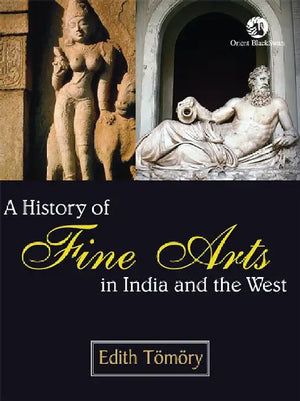
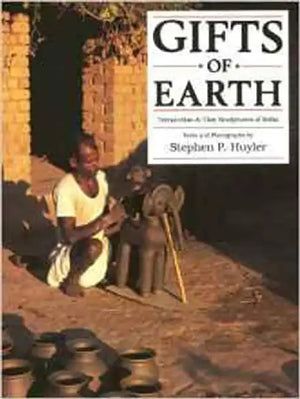


Art Books: Indian Painting, Modern Art, Drawing and Art History
Have you ever stood in front of a painting and felt something without quite knowing why? Art books help you to find the words, and then to see far more than you did before. This shelf covers Indian painting and sculpture, modern artists, crafts, and practical guides for those who wish to pick up a pencil themselves. Respected writers such as B. N. Goswamy, K. G. Subramanyan, Yashodhara Dalmia, Gayatri Sinha, Geeti Sen, Harsha V. Dehejia and R. Siva Kumar are among the names you will find here.
Whether you are a fine arts student, a teacher, a collector or simply a person who likes beautiful things, there is a way in for you.
Indian Art Books
India's artistic history is enormous, and it is best approached one tradition at a time. Partha Mitter's Indian Art is a helpful overview for anyone who wants the larger picture before going deep. B. N. Goswamy is one of the most loved writers on miniature painting, and Conversations collects his exchanges with others in the field. K. G. Subramanyan's Moving Focus: Essays on Indian Art is thoughtful reading on how art in India has been made and understood.
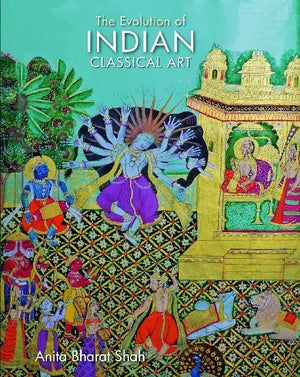
For regional and classical work, look at The Gita: Mewari Miniature Painting (1680-1698), Masterpieces at the Jaipur Court, and Reverse Glass Painting in India. Treasures: Salar Jung Museum, Hyderabad is an ideal companion before a museum visit. These books are particularly useful to students who cannot easily see the originals, as good plates let you study details closely at home.
Modern and Contemporary Indian Artists
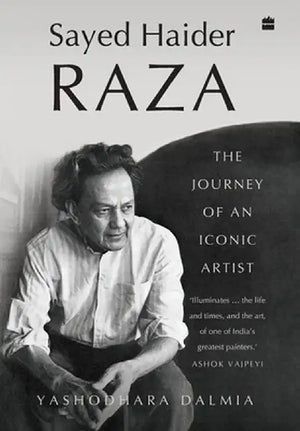
Modern Indian art has become a subject of great interest, for collectors as well as for scholars. Yashodhara Dalmia's Amrita Sher-Gil: Art and Life tells the story of one of the most remarkable painters of the twentieth century, and her book Sayed Haider Raza follows the journey of another major artist. Ranjit Hoskote, Gayatri Sinha and Ina Puri also appear on this shelf, writing about the people and ideas that have shaped Indian galleries. Reading about an artist's life changes how you look at their work, because you begin to see the choices behind each canvas.
Art History and World Art
Readers interested in the wider world can start with Famous Paintings, then turn to more focused titles such as Vincent Van Gogh: 120 Drawings and Watercolors. Rainer Maria Rilke's short book on Auguste Rodin shows a great poet looking closely at a great sculptor. Norbert Lynton writes about modern art, and Richard Wollheim is an important name for those who enjoy the philosophy of art. Alva Noe's Learning to Look: Dispatches from the Art World is a lively book for those who want to ask what art is really doing to us. Students of art history should learn to write about what they see, not just memorise names and dates.
Drawing Books for Beginners
You do not need any special talent to learn to draw. You need attention, patience and a pencil. Drawing books on this shelf range from the very simple to the classic.
- Bridgman's Life Drawing: George B. Bridgman's anatomy lessons have been used by artists for generations.
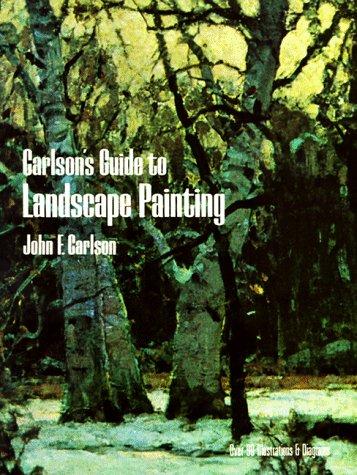
- Landscape Drawing in Pencil: a focused guide to trees, buildings and light.
- Ed Emberley's Drawing Book: Make a World: a playful way for children, and shy adults, to begin.
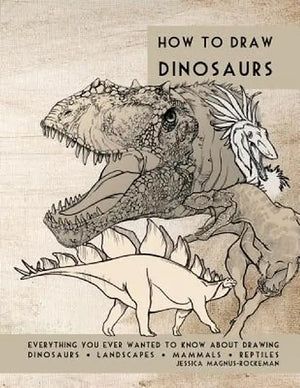
- How to Draw Dinosaurs: an easy pick for young artists.
- How to Paint with Acrylics: a friendly first look at colour and brushes for children.
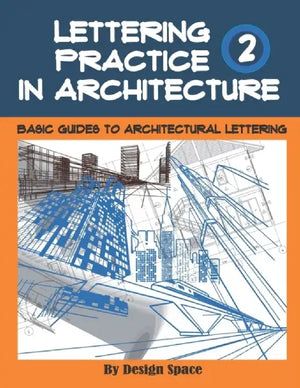
- Peggy Dean's books: simple and approachable help with modern lettering and sketching.
The best approach is a short daily habit. Draw a cup, a shoe or your own hand for ten minutes, and do not throw away your bad drawings. Looking back at them after three months is one of the most encouraging things you can do.
Craft, Handwork and Living Traditions
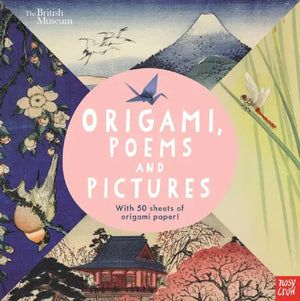
Art is not limited to galleries. Jaya Jaitly's The Artistry of Handwork celebrates the makers of India, and Megha Meets Vishwakarma tells the story of Indian crafts in an appealing way. Continuing Traditions and Nina Sabnani's work also help us to see how old skills live on today. Hobbyists will find Dollmaking for the First Time, Easy Tatting and origami inspired titles from the British Museum. Handwork is a calming hobby, and many people find that it gives them something that screens never quite can.
Colouring Books for Adults
If you want the calm of art without any pressure, try a mandala colouring book, which has become a popular way to relax after a long day. There is no right or wrong here. Choose a few colours, put your phone in another room, and let your mind slow down.
For Fine Arts Students
BFA and MFA students, and those preparing for design entrance exams, can use this shelf for both practice and theory.
- Keep a sketchbook every day. Examiners and teachers look for steady practice.
- Study anatomy and perspective early. They support everything you will do later.
- Read about artists as well as techniques. Knowing why work was made helps you find your own reason.
- Visit museums whenever possible. Size, texture and colour never come across fully in print.
- Write short notes on every work you study. This builds the vocabulary you need for essays and vivas.
How to Look at a Painting
Here is a simple method. Stand or sit with one work for five whole minutes. First, notice what you see without judging it. Then, ask how the artist leads your eye. Next, consider what the colours do to your mood. Only then read the caption. You will be surprised at how much more you notice, and how much longer you remember it. Good art books teach exactly this kind of slow attention.
Gifting Art Books
Well produced art books are lovely presents, as they stay on display and get picked up again and again. Think about the person's home city, favourite artist or a tradition they already love. A book on Jaipur court painting or a beautiful study of one modern painter feels personal in a way that few other gifts do.
Explore Related Shelves
Illustrated books on Indian heritage are in art and photography. Students of clothing and pattern should see fashion and textile design, and graphic work is in design books. For stage and screen, visit music, theatre and film. For relaxed creative hobbies, browse art, music and photography, and let your children start early with Creative Hands. Begin with one book that makes you want to look a little longer. That is what art is for.
Train your eye by visiting galleries when you can, and try sketching what you see. Looking slowly at a single work teaches more than rushing past a hundred.