
-
Fiction

- Romance
- Historical Fiction
- Crime & Mystery
- Modern Fiction (Post 1945)
- Religious & Spiritual
- Fiction-Related Item
- Fantasy
- Adventure
- Classic Fiction (Pre 1945)
- Fiction: Special Features
- Thriller / Suspense
- Science Fiction
- Philosophy
- Horror & Ghost Stories
- Graphic Novels
- Myth & Legend
- Sagas
- Poetry Anthology
- Erotic Fiction
- Society & Culture
- Film, TV & Radio
- Humour
-
Non-Fiction
Non-Fiction 13 categories · 2,996 booksView all
-
Teens & Ya
Teens & Ya 3 categories · 162 booksView all
-
Kids
- Picture Books
- Early Learning
- Fiction & True Story
- Picture & Activity Books
- General Non-Fiction
- Stationery & Misc
- Personal & Soc Issue
- Reference Material
- Fantasy
- Educational Material
- Modern Fiction (Post 1945)
- Horror
- Biography: General
- Graphic Novels
- Poetry Anthology
- Science Fiction
- Humour
- Myth & Legend
-
EXAMS
-
Shop by Age
-
Kids Books
-
Biography










-
Fiction
- Romance
- Historical Fiction
- Crime & Mystery
- Modern Fiction (Post 1945)
- Religious & Spiritual
- Fiction-Related Item
- Fantasy
- Adventure
- Classic Fiction (Pre 1945)
- Fiction: Special Features
- Thriller / Suspense
- Science Fiction
- Philosophy
- Horror & Ghost Stories
- Graphic Novels
- Myth & Legend
- Sagas
- Poetry Anthology
- Erotic Fiction
- Society & Culture
- Film, TV & Radio
- Humour
-
Non-Fiction
Non-Fiction 13 categories · 2,996 booksView all
-
Teens & Ya
Teens & Ya 3 categories · 162 booksView all
-
Kids
- Picture Books
- Early Learning
- Fiction & True Story
- Picture & Activity Books
- General Non-Fiction
- Stationery & Misc
- Personal & Soc Issue
- Reference Material
- Fantasy
- Educational Material
- Modern Fiction (Post 1945)
- Horror
- Biography: General
- Graphic Novels
- Poetry Anthology
- Science Fiction
- Humour
- Myth & Legend
-
EXAMS
-
Shop by Age
-
Kids Books
-
Biography

















Current Affairs Biography Books: Leaders, Journalists and Public Figures
News tells us what happened today. Biography tells us why the people involved act the way they do. Current affairs biography books follow the lives of politicians, journalists, diplomats, activists and public figures whose decisions shape the world we live in. They are useful for UPSC and state PSC aspirants, journalism students and anyone who wants to read beyond the headlines.
This shelf includes lives of world leaders such as Volodymyr Zelensky, Vladimir Putin, David Cameron, Disraeli and Bobby Kennedy, Indian public figures and newspapers, and memoirs by journalists and activists from India, Afghanistan, Kashmir and beyond. Books on this shelf come from many points of view, so readers can compare and judge for themselves.
Lives of World Leaders
- Zelensky: A Biography by Serhii Rudenko explains the background of Ukraine's president.
- First Person is a long interview with Vladimir Putin, published early in his career, and useful for understanding how he presented himself.
- Disraeli: A Brief Life by Paul Smith is a short introduction to the Victorian prime minister.
- Bobby Kennedy: The Making of a Liberal Icon by Larry Tye and After Camelot by J. Randy Taraborrelli cover the Kennedy family.
- The Napoleon of New York by H. Paul Jeffers tells the story of mayor Fiorello La Guardia.
- Churchill and Orwell: The Fight for Freedom by Thomas E. Ricks compares two men who stood against tyranny in different ways.
- Fidel and Gabo by Angel Esteban describes the friendship between Fidel Castro and Gabriel Garcia Marquez.
Indian Public Life
Indian politics is full of strong personalities, and readers often want to understand them from different angles.
- Veer Savarkar: The Man Who Could Have Prevented Partition by Uday Mahurkar and Chirayu Pandit presents one view of Savarkar.
- Amit Shah and the March of BJP by Anirban Ganguly covers the rise of the party organisation.
- Didi by Shutapa Paul is a biography of Mamata Banerjee.
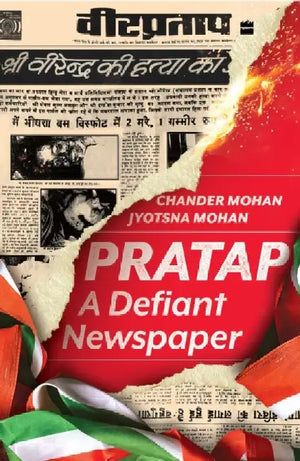
- Pratap: A Defiant Newspaper by Chander Mohan tells the story of a historic Punjab newspaper.
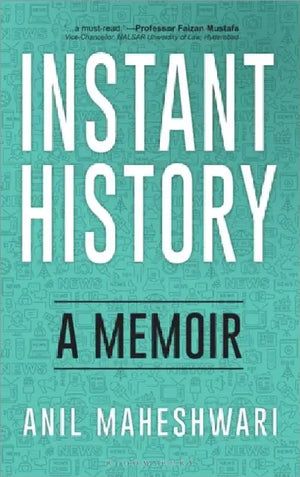
- Instant History by Anil Maheshwari looks at recent events from a reporter's view.
Political biographies are often written by supporters or critics. A good habit is to read more than one book on the same leader, or to balance a biography with neutral reference books, before forming an opinion.
Journalists and the Media
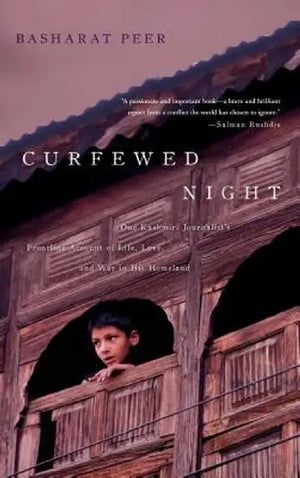
Journalists see history first hand, and their memoirs are among the liveliest books here. Curfewed Night by Basharat Peer is a powerful account of growing up in Kashmir. Edward R. Murrow and the Birth of Broadcast Journalism by Bob Edwards tells how a radio reporter changed the news. People's Witness by Fred Inglis studies the role of the journalist in modern politics. If you are thinking of a media career, read these alongside our mass media and journalism books.
Human Rights and Personal Courage
- The Vanishing Girl of Kabul by Zahra Joya follows a young Afghan journalist's fight for women's rights.
- The Cell and the Soul is a prison memoir by Anand Teltumbde.
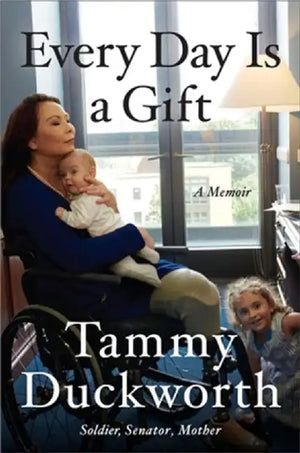
- Every Day Is a Gift by Tammy Duckworth tells the story of a soldier who lost both legs in Iraq and went on to public service.
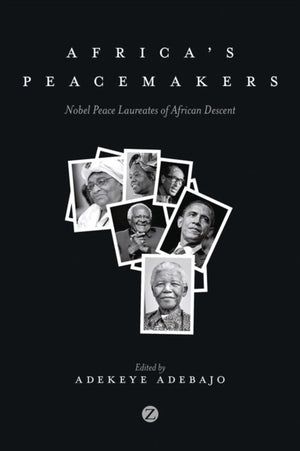
- Africa's Peacemakers by Adekeye Adebajo profiles Nobel peace laureates of African descent.
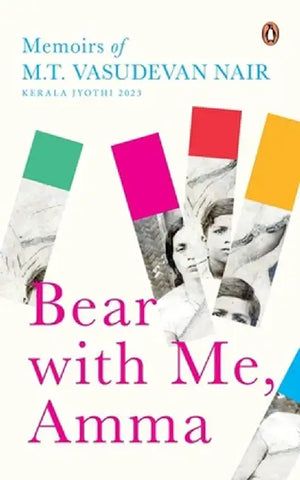
- Bear with Me, Amma gives the memoirs of the Malayalam writer M.T. Vasudevan Nair, translated by Gita Krishnankutty.
Economics, Intelligence and Ideas
Public life is not only about elections. The Man Who Knew by Sebastian Mallaby is a celebrated life of Alan Greenspan and a good way to understand modern central banking. Playing to the Edge by Michael V. Hayden gives a former intelligence chief's account of the age of terror. Fulbright by Randall Bennett Woods tells the story of the senator behind the famous scholarship. Emile Durkheim: A Biography by Marcel Fournier will interest sociology students.
Using Biographies for UPSC and Exam Preparation
Civil services aspirants often ask whether biographies are worth their time. Used well, they are.
- They give depth for essays. An example from a real life makes an essay memorable.
- They help with interview preparation. Knowing the background of leaders and institutions shows maturity.
- They build context for international relations. Understanding a leader's past explains a country's choices.
- Keep notes short. Write three or four key points per book, linked to your syllabus.
Do not let biographies replace your core study material. Treat them as supporting reading for weekends. Our UPSC and IAS exam books shelf has the core material.
How to Read Political Biography Wisely
Notice who wrote the book and why. Check the publication date, because events may have moved on. Look for sources and references. Separate facts from the author's opinions, and stay curious rather than angry when a book disagrees with your own views. Reading across the spectrum is the best way to think clearly about public life.
Building a Balanced Reading List
A simple way to read this shelf well is to build a small list across regions and fields. Pick one Indian public figure, one world leader, one journalist and one human rights memoir. For example, you could read Pratap: A Defiant Newspaper, the Zelensky biography, Curfewed Night and The Vanishing Girl of Kabul. Together they show how power, the press and ordinary citizens shape each other, and they give you examples from very different places. Add an economics life such as The Man Who Knew if you want to understand how financial decisions affect daily life. Reading in this way also helps aspirants for journalism and public policy courses, who are often asked in interviews which books have changed their thinking. Being able to discuss four varied books calmly and fairly makes a strong impression.
Memoirs Versus Biographies
On this shelf you will find both kinds of book. A memoir, such as Every Day Is a Gift or The Cell and the Soul, is written by the person themselves and tells their side of the story with feeling and detail. A biography, such as the life of Greenspan or Bobby Kennedy, is written by a researcher who interviews many people and checks records. Read memoirs for voice and emotion, and biographies for a fuller and more tested picture.
Where to Go Next
For the systems these leaders work within, see politics and government books and politics and society. For the people of earlier eras, visit historical figures. Read one life from a country you know little about, and the evening news will never look quite the same again.
Read more than one account where you can, since writers often have strong views on public figures. Comparing them is a good way of building your own opinion.