
-
Fiction

- Romance
- Historical Fiction
- Crime & Mystery
- Modern Fiction (Post 1945)
- Religious & Spiritual
- Fiction-Related Item
- Fantasy
- Adventure
- Classic Fiction (Pre 1945)
- Fiction: Special Features
- Thriller / Suspense
- Science Fiction
- Philosophy
- Horror & Ghost Stories
- Graphic Novels
- Myth & Legend
- Sagas
- Poetry Anthology
- Erotic Fiction
- Society & Culture
- Film, TV & Radio
- Humour
-
Non-Fiction
Non-Fiction 13 categories · 2,996 booksView all
-
Teens & Ya
Teens & Ya 3 categories · 162 booksView all
-
Kids
- Picture Books
- Early Learning
- Fiction & True Story
- Picture & Activity Books
- General Non-Fiction
- Stationery & Misc
- Personal & Soc Issue
- Reference Material
- Fantasy
- Educational Material
- Modern Fiction (Post 1945)
- Horror
- Biography: General
- Graphic Novels
- Poetry Anthology
- Science Fiction
- Humour
- Myth & Legend
-
EXAMS
-
Shop by Age
-
Kids Books
-
Biography












-
Fiction
- Romance
- Historical Fiction
- Crime & Mystery
- Modern Fiction (Post 1945)
- Religious & Spiritual
- Fiction-Related Item
- Fantasy
- Adventure
- Classic Fiction (Pre 1945)
- Fiction: Special Features
- Thriller / Suspense
- Science Fiction
- Philosophy
- Horror & Ghost Stories
- Graphic Novels
- Myth & Legend
- Sagas
- Poetry Anthology
- Erotic Fiction
- Society & Culture
- Film, TV & Radio
- Humour
-
Non-Fiction
Non-Fiction 13 categories · 2,996 booksView all
-
Teens & Ya
Teens & Ya 3 categories · 162 booksView all
-
Kids
- Picture Books
- Early Learning
- Fiction & True Story
- Picture & Activity Books
- General Non-Fiction
- Stationery & Misc
- Personal & Soc Issue
- Reference Material
- Fantasy
- Educational Material
- Modern Fiction (Post 1945)
- Horror
- Biography: General
- Graphic Novels
- Poetry Anthology
- Science Fiction
- Humour
- Myth & Legend
-
EXAMS
-
Shop by Age
-
Kids Books
-
Biography
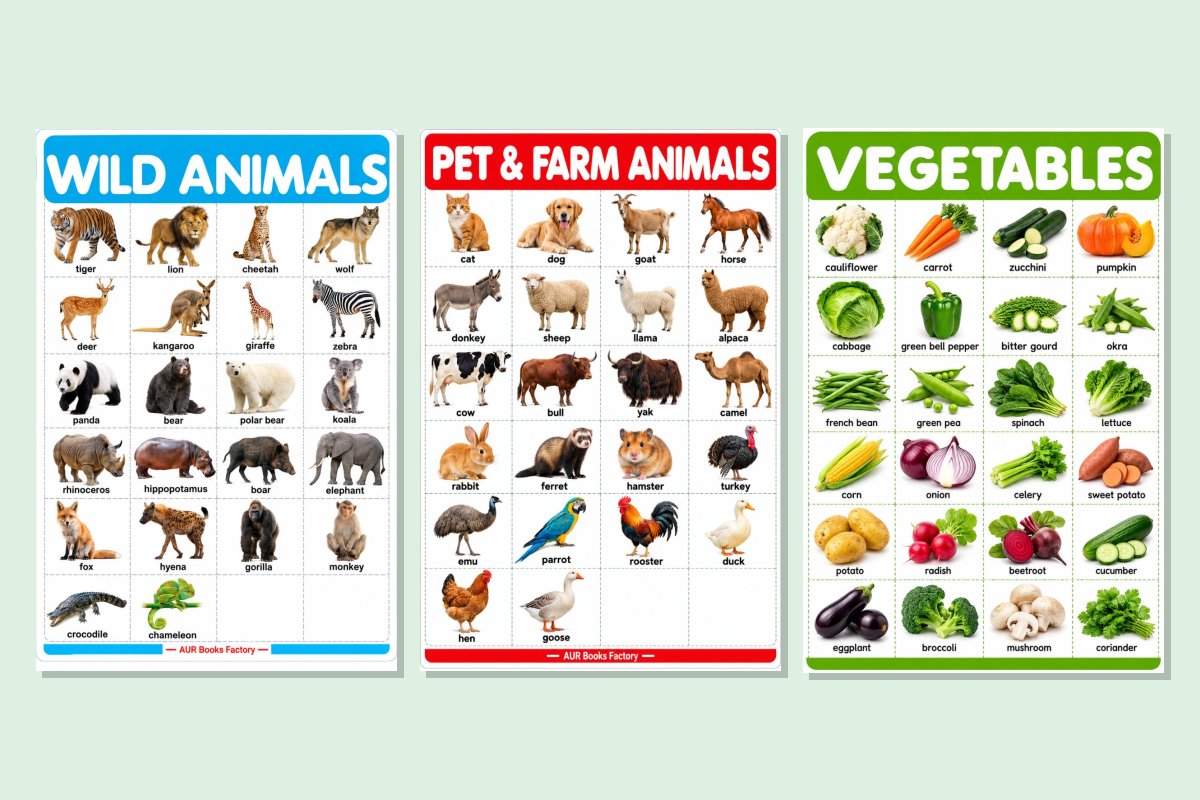
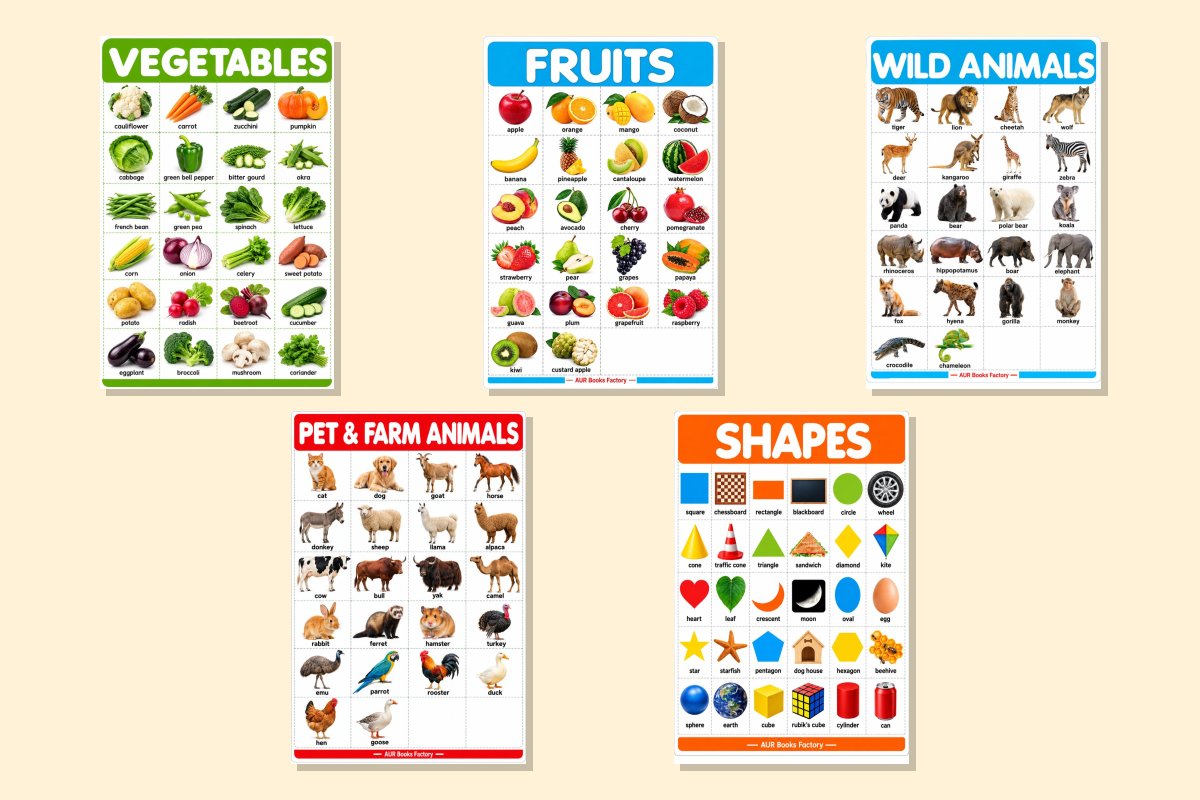
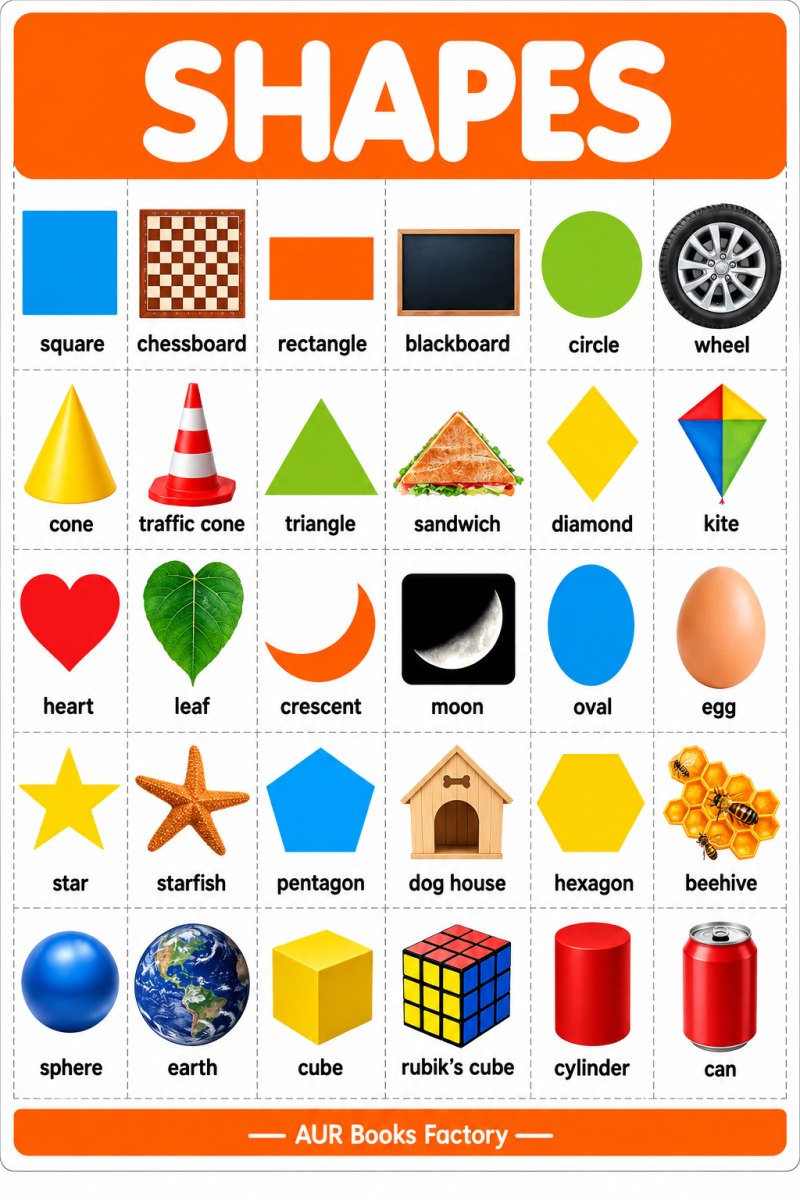
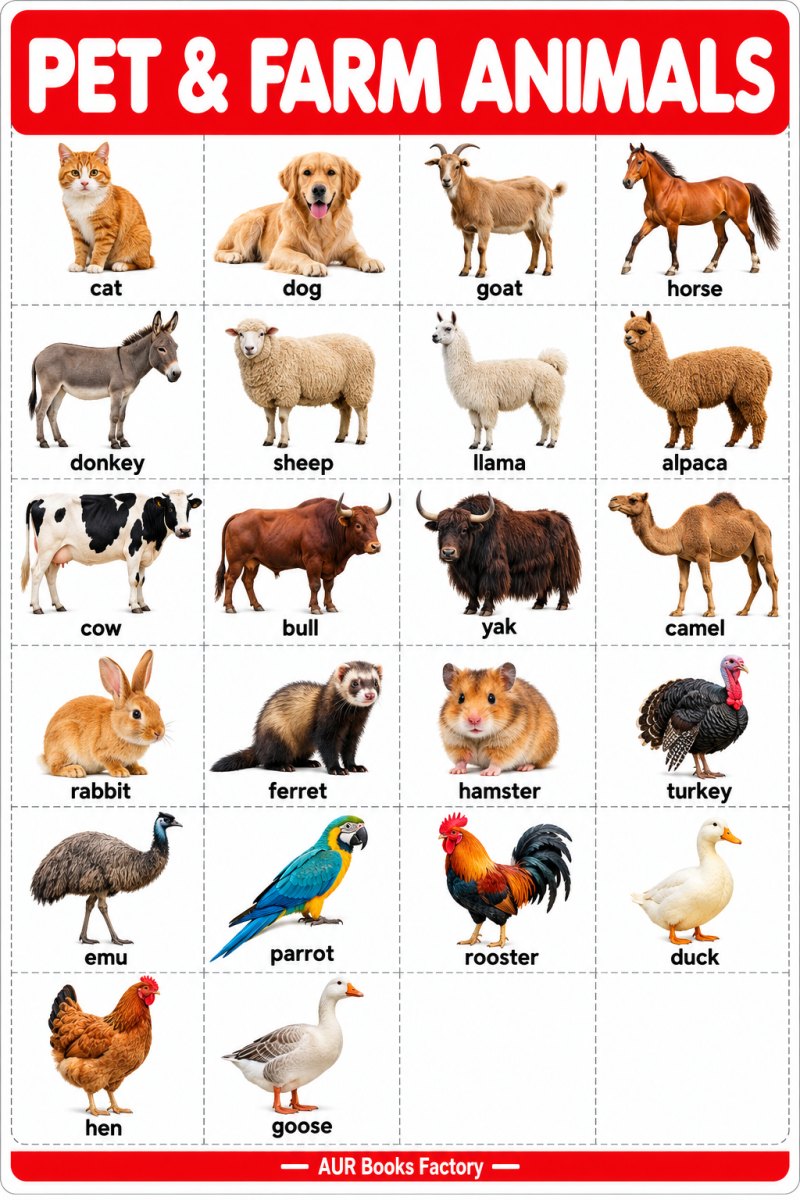
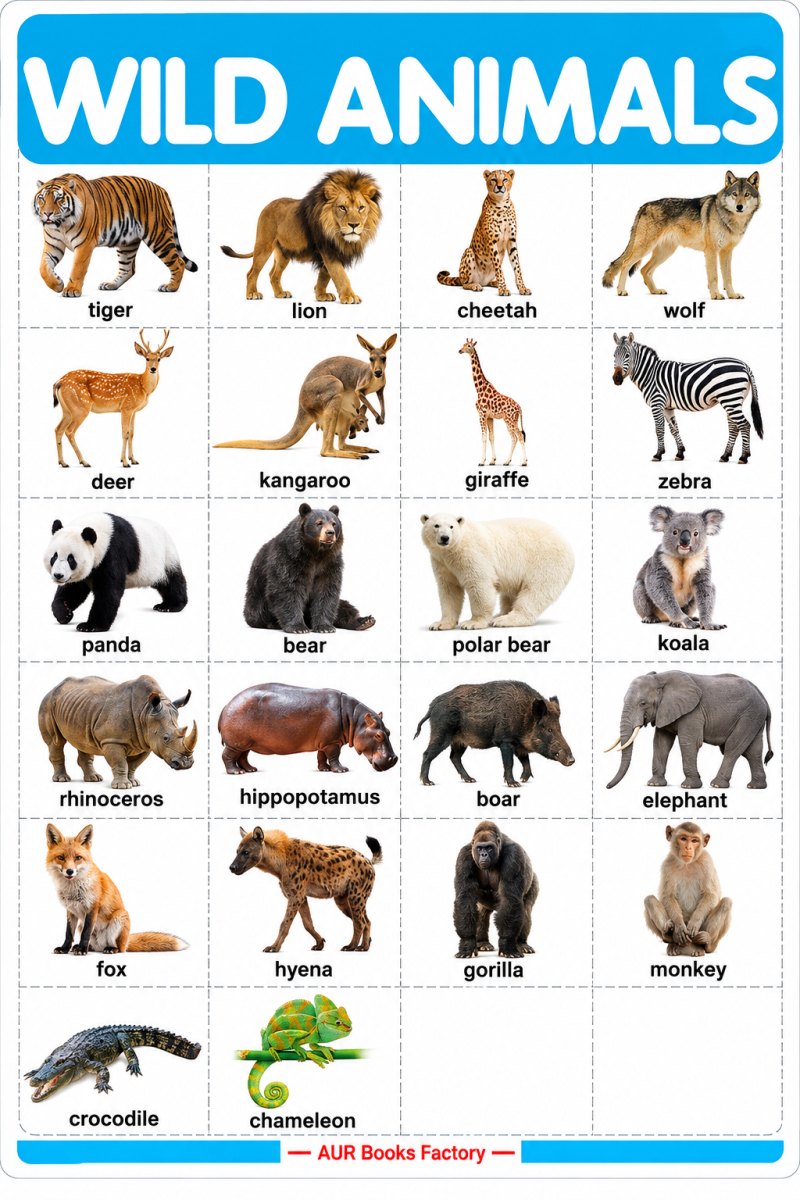
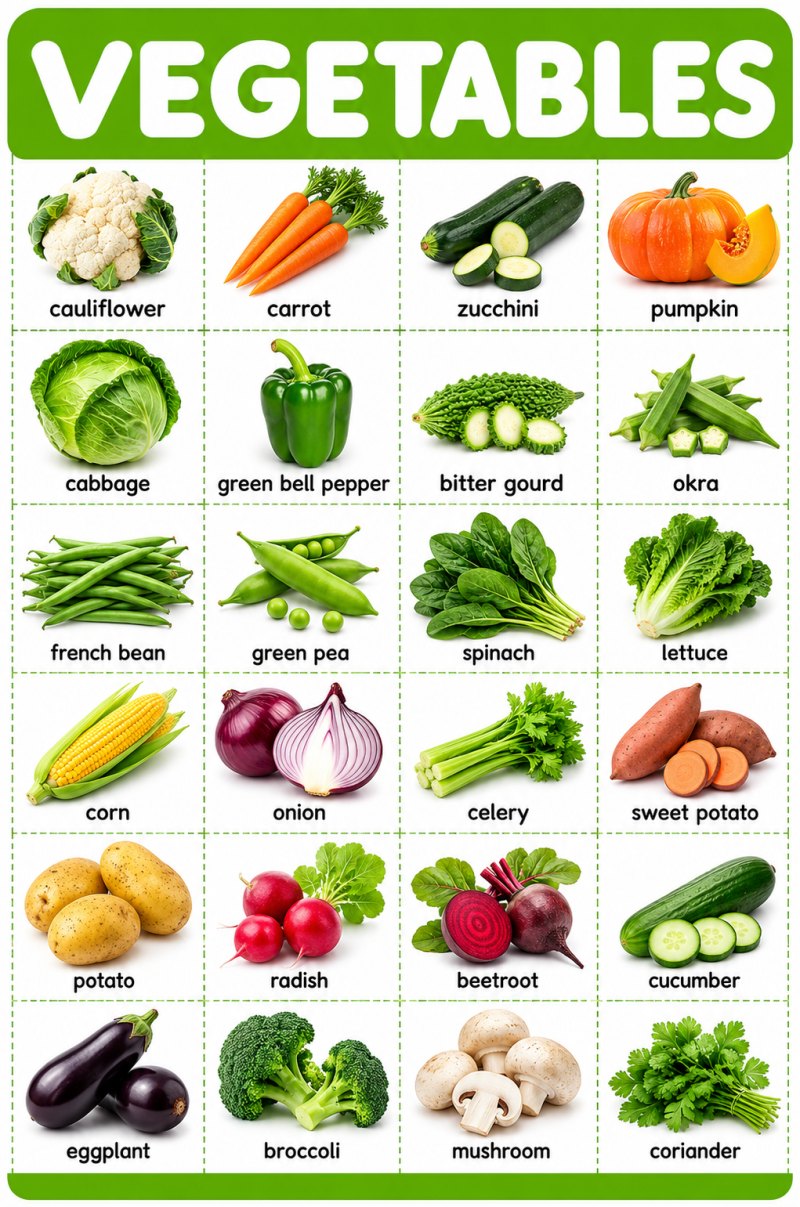
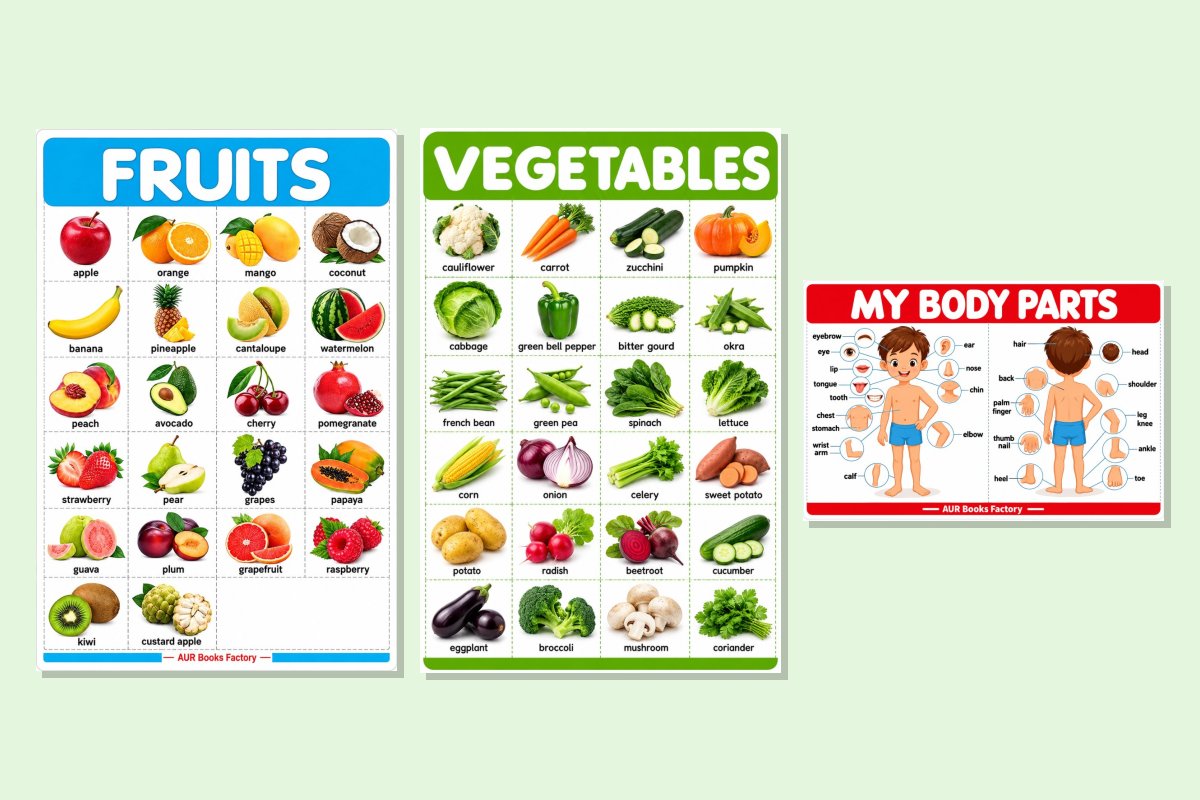
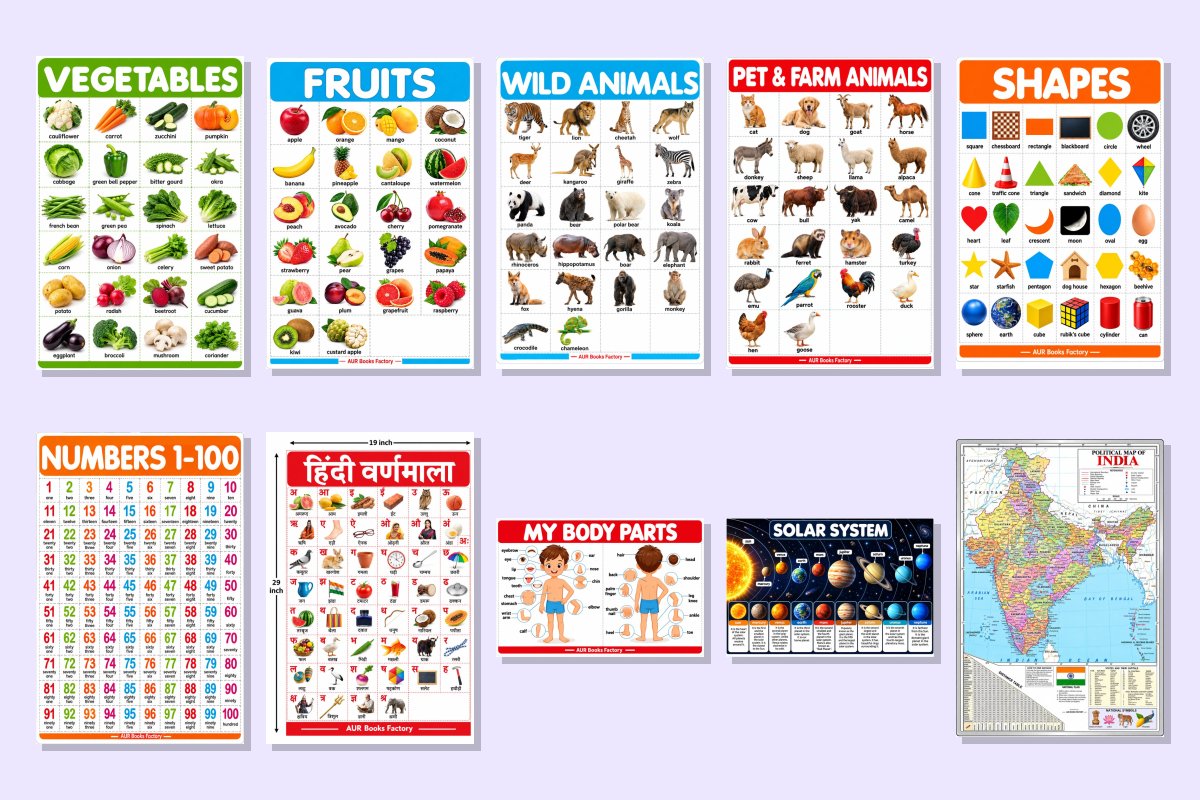
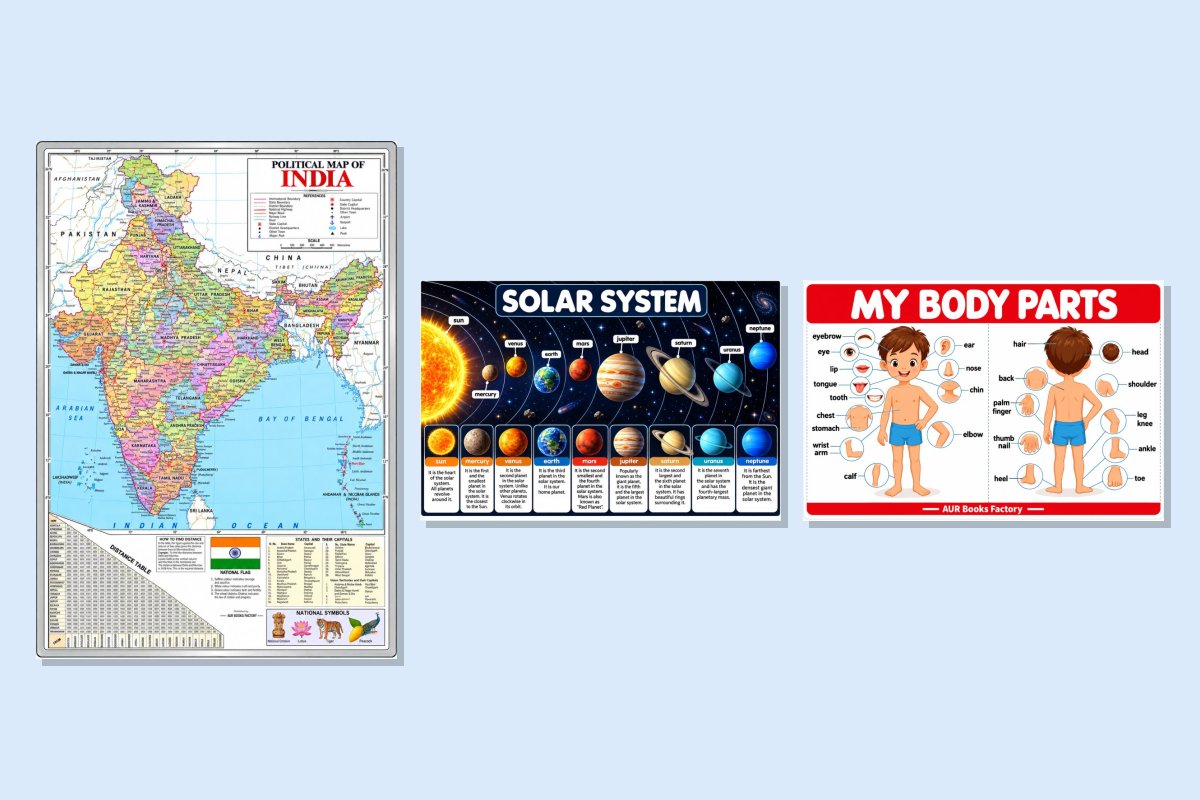
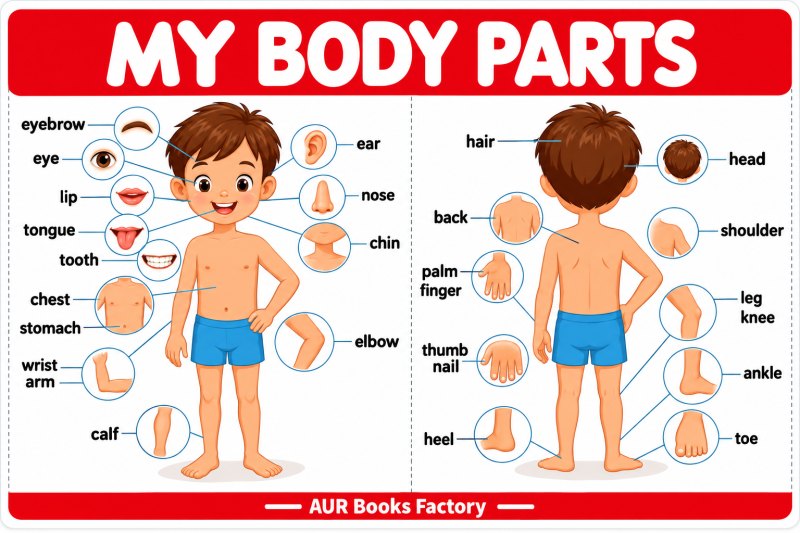
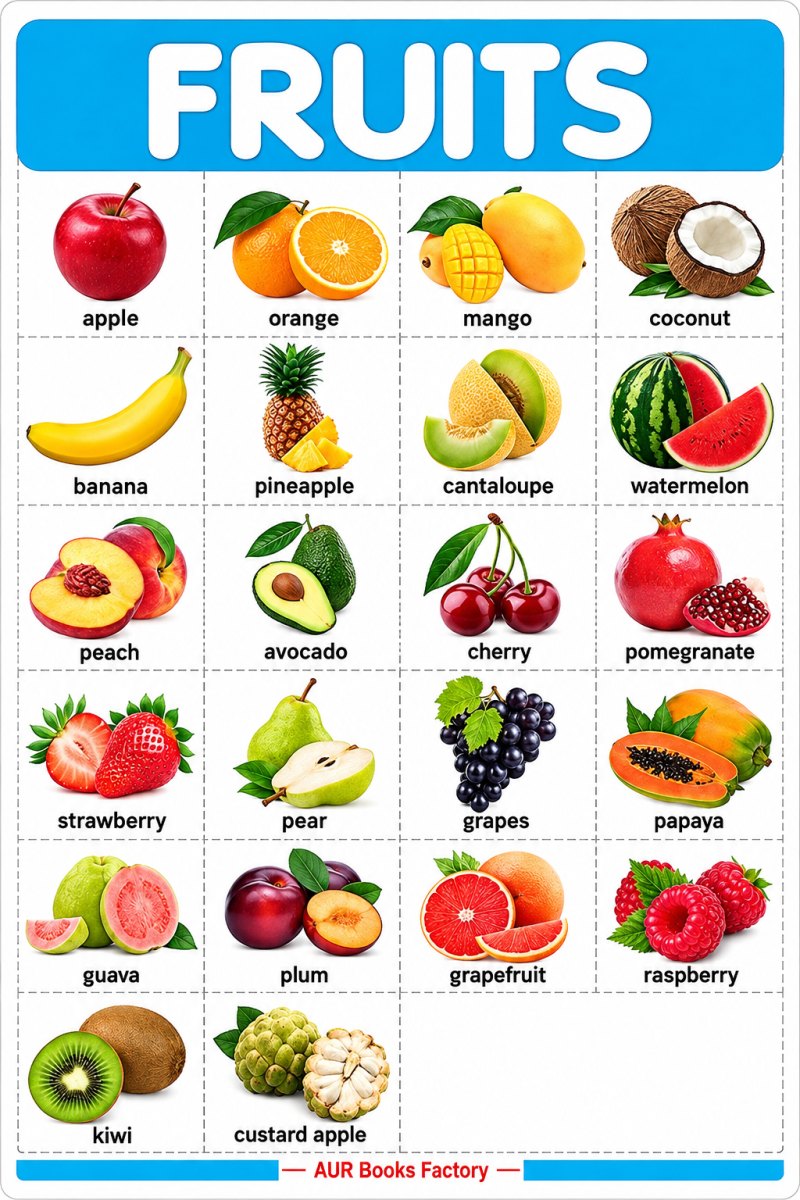
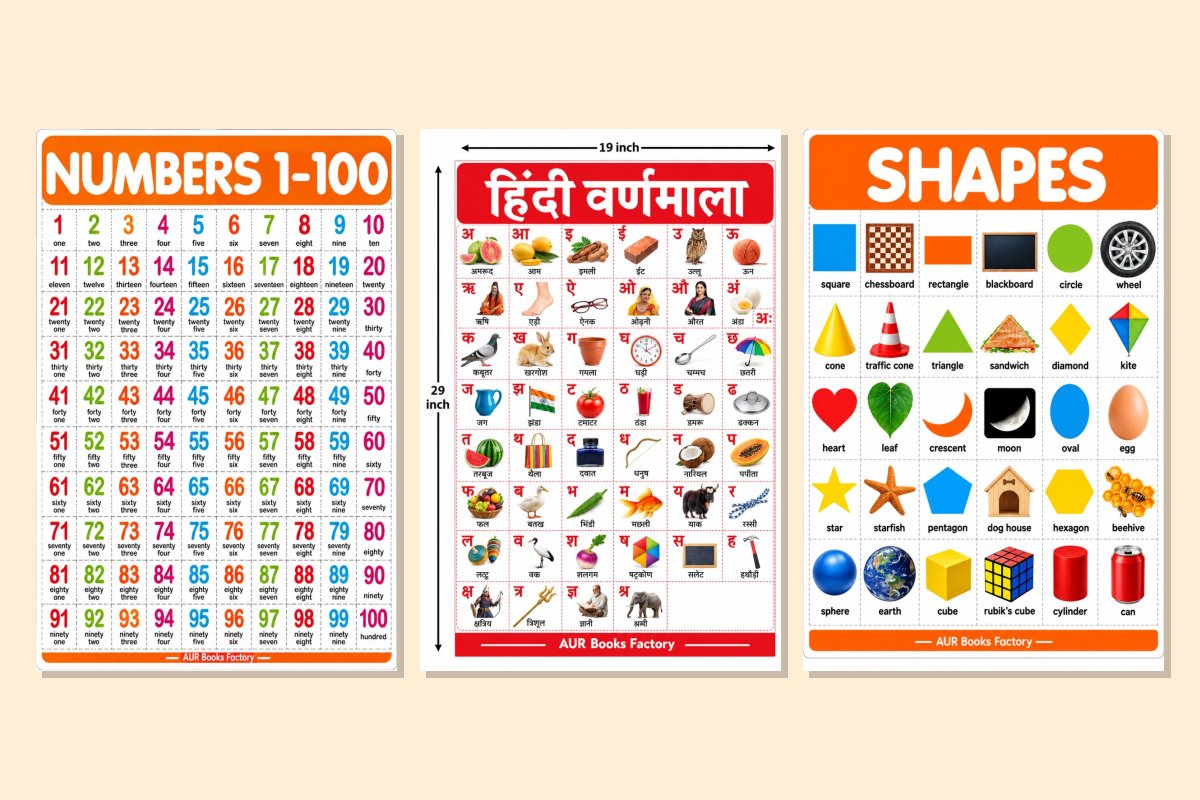
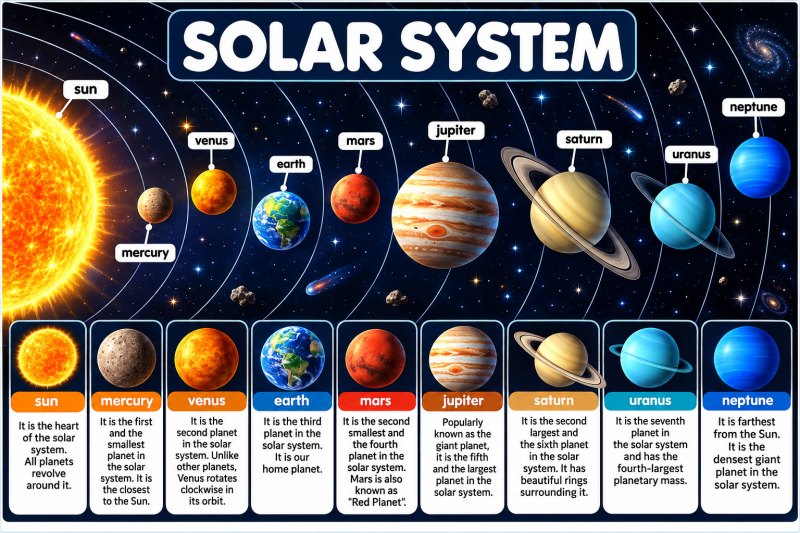
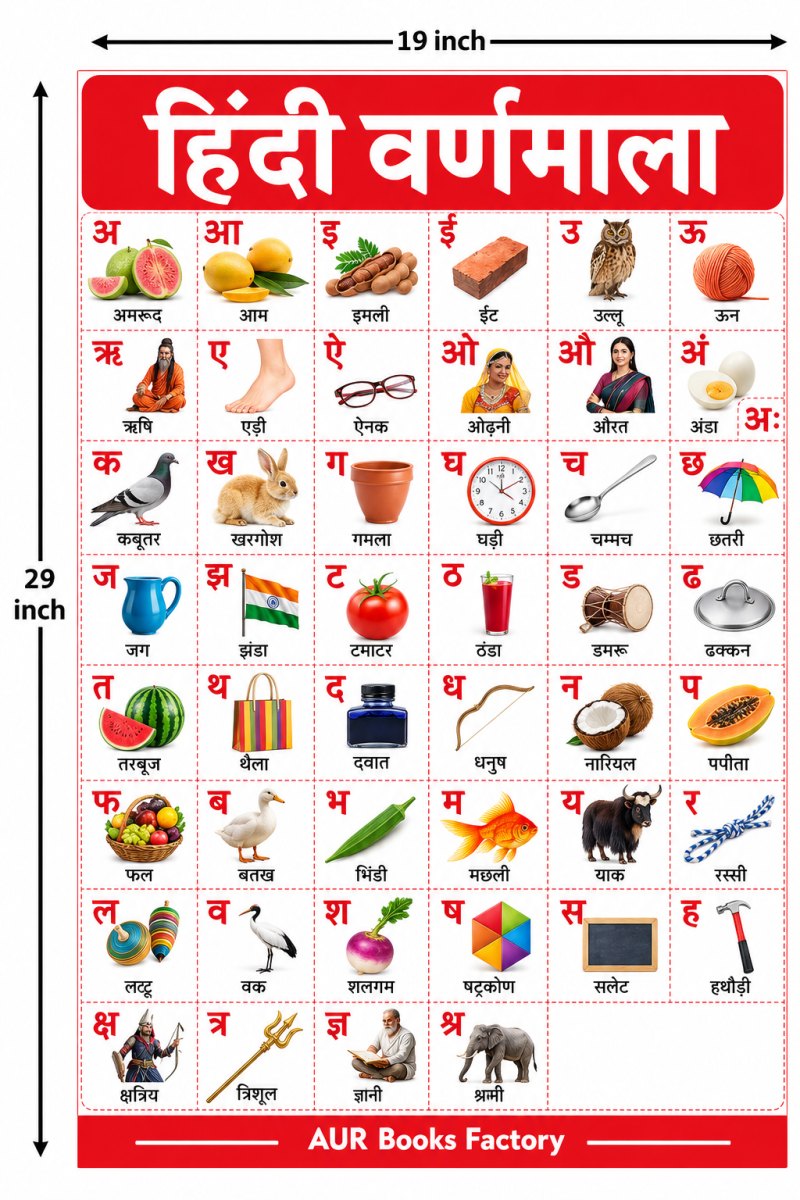






Educational Wall Charts and Science Essentials for Children
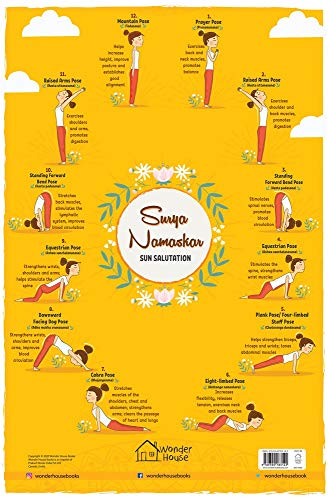
Children absorb what they see every day. A chart showing the Hindi varnmala or the solar system on the bedroom wall gets seen hundreds of times without anyone having to sit down and study it. That quiet repetition is why educational charts for kids have been used in classrooms for generations. This small shelf holds My First Early Learning Wall Charts and Posters, combo sets, and the Science Essentials: Science Made Easy range for school children, including one title in Hindi.
It is a simple way to add learning to a home without adding pressure. Nobody has to open anything, and nobody has to be persuaded. The learning is simply there on the wall.
Wall Charts for Preschool and Kindergarten
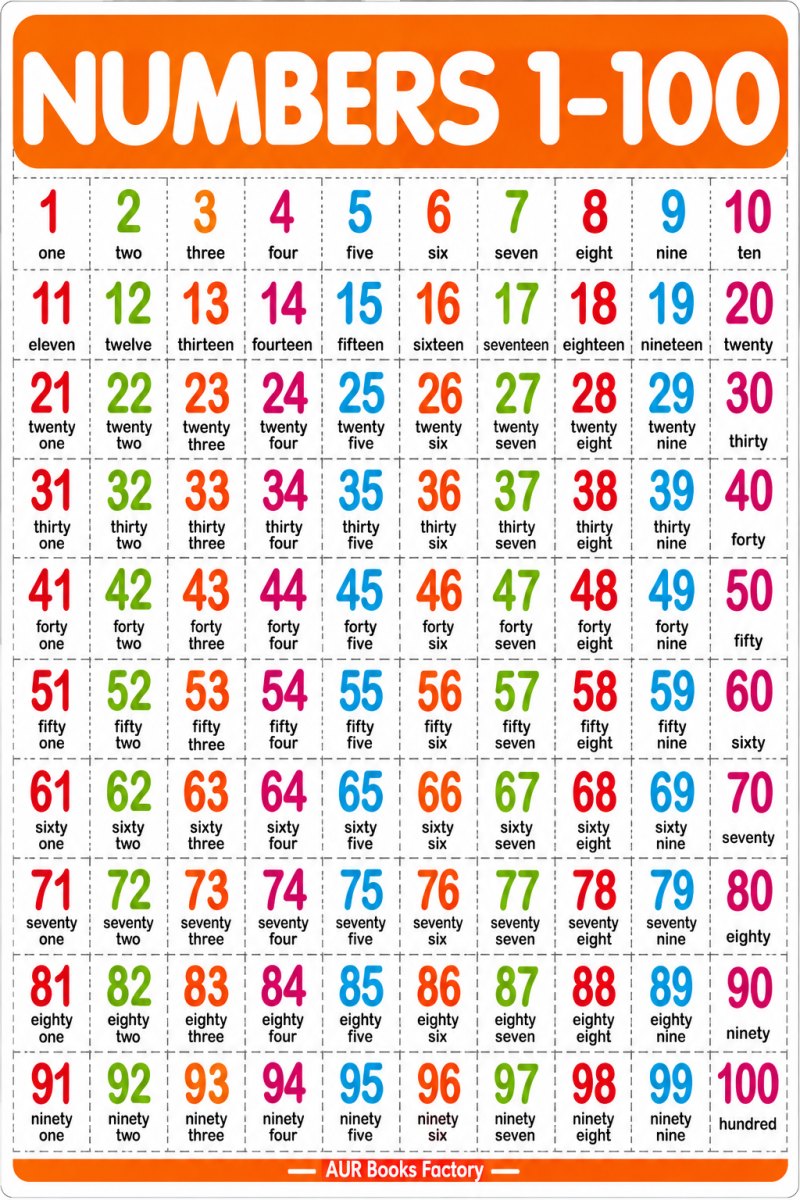
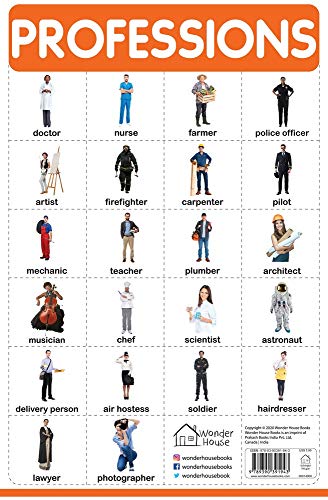
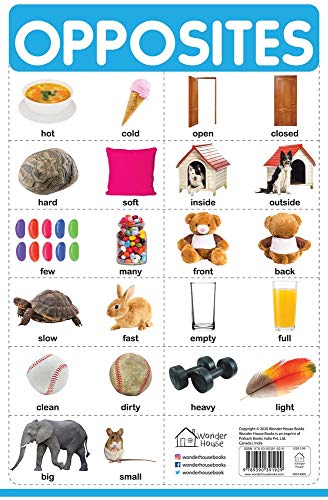
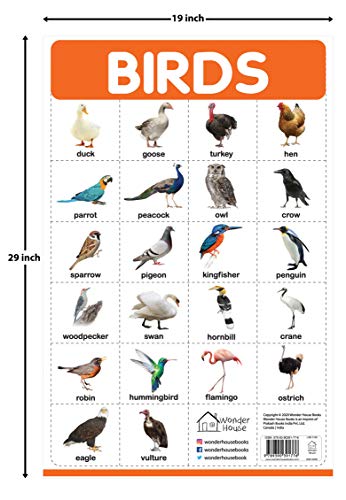
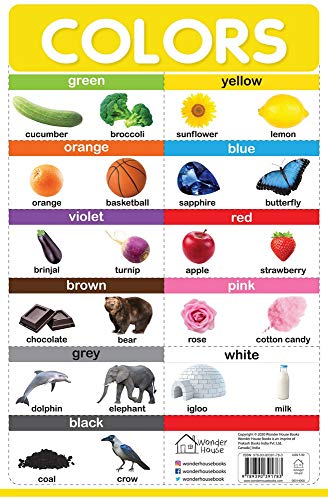
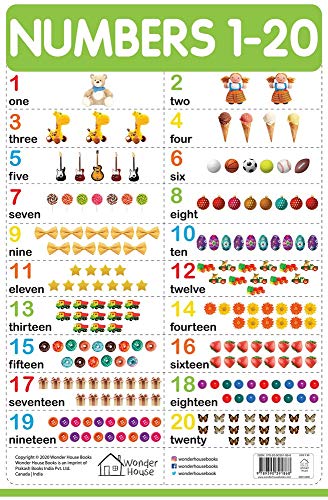
Preschool charts introduce the things that young children are learning to name. Topics on this shelf include Numbers 1-20, Numbers 1-100, Alphabet, Colors, Shapes, Opposites, Fruits, Birds, Wild Animals, Pet and Farm Animals, My Body Parts and Professions, along with a Solar System chart for curious older children. The Hindi Varnmala chart helps families who want their children to learn their Hindi letters early. Teachers, too, often use these for a kindergarten classroom or a home schooling corner.
Which Chart for Which Age?
- Age 1 to 2: Fruits, Colors and Animals. Point and name, and make the animal sounds.
- Age 2 to 3: Shapes, Body Parts and Numbers 1-20.
- Age 3 to 4: Alphabet, Hindi Varnmala and Opposites.
- Age 4 to 5: Numbers 1-100, Professions and Birds.
- Age 5 to 7: Solar System, and school project charts on subjects they are studying.
How to Use a Wall Chart So It Actually Works
A chart that is simply hung up and forgotten soon becomes wallpaper. A little thought makes it much more effective.
- Hang it at your child's eye level, not yours. Many charts are placed too high for a small child to see properly.
- Choose a place they spend time, such as next to the study table, in the bedroom or near the dining area.
- Change it every few weeks. A new chart gets noticed again.
- Play with it. "Can you find something yellow?" or "Which animal lives on a farm?"
- Connect it to real life. After looking at the fruit chart, let your child name the fruits at the market.
- Let your child teach you. Pretend to forget a name and let them correct you. They will love it.
Combo Sets
If you would like to cover several subjects at once, a combo often makes sense. Numbers, Hindi Varnmala and Shapes Wall Charts Combo is a nice beginner's set. Healthy Food and My Body Wall Charts Combo works for talking about food and health, and it may even help with fussy eaters. Nature Explorer Wall Charts Combo suits children who love animals and the outdoors. School Project Wall Charts Combo includes an India map and a Solar System chart that come in handy for assignments. There are also Preschool Wall Charts Combo sets and a Complete Early Learning Wall Charts Combo of ten, useful for a nursery or a playschool that needs a full set. Rotate them through the year, instead of putting them all up at the same time, since too many charts on one wall tends to confuse small children.
Science Essentials: Science Made Easy
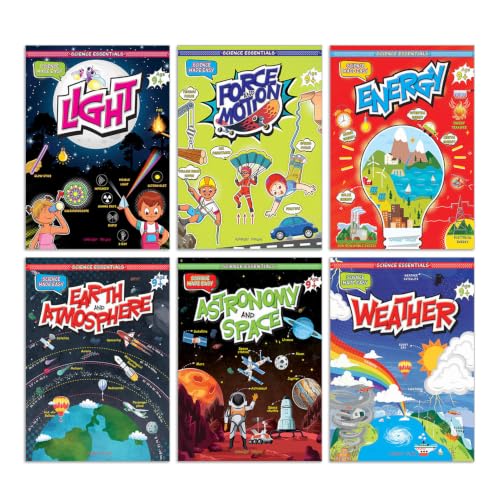
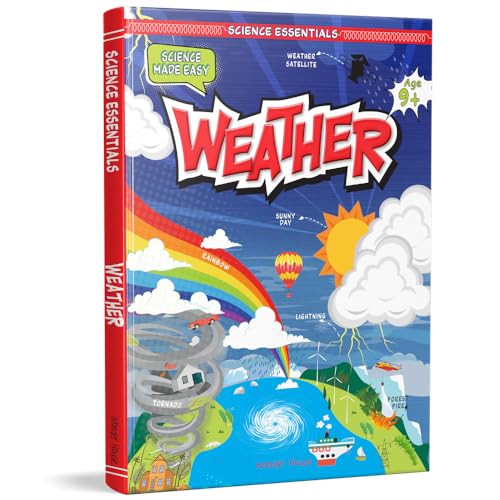
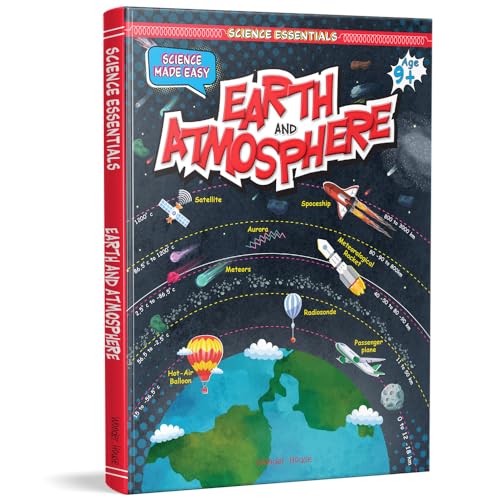
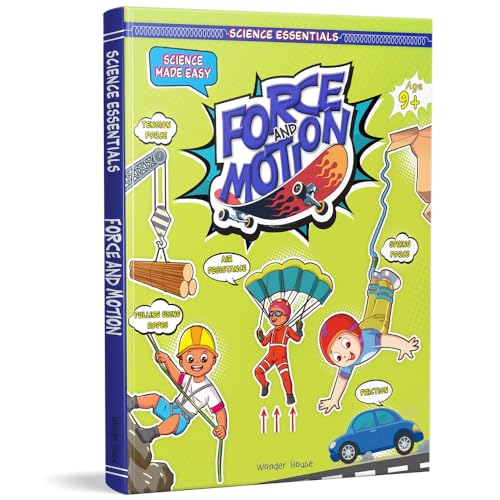
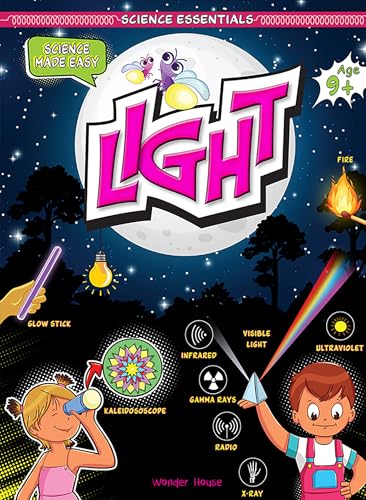
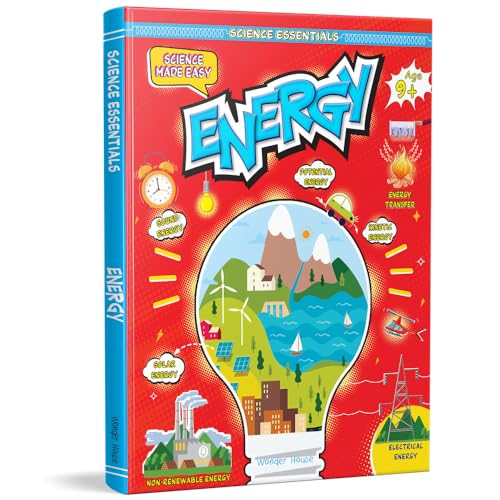
Older children often struggle with science, not because it is hard, but because it feels far removed from daily life. The Science Essentials series takes one big topic at a time and explains it simply, with titles on Force and Motion, Light, Energy, Weather, Earth and Atmosphere, and Astronomy and Space. There is also a Boxed Set of six. They work well alongside school lessons for children in the middle primary years, and for any child who enjoys asking how things work.
Science books for kids are far more exciting when you try things out too. After reading about light, use a torch and a mirror. After reading about weather, keep a simple rain and temperature diary for a week. After reading about force, roll a ball down a ramp at different heights. Such small experiments turn a chapter into something your child will remember for a long time. Please do stay with younger children during any experiment and choose safe materials.
For more hands on ideas, visit our Little Explorers STEM range. Our Knowledge Encyclopedia range goes into greater depth.
Charts for Hindi Learning
Many urban Indian children grow up reading English far better than their mother tongue. A Hindi Varnmala chart near the dining table is a low effort way to start changing that. Say the letters aloud while you are eating, point to the first letter of a family member's name, or look for those letters on signboards when you go out. Pair it with early learning books, where you can find bilingual titles, and with Hindi stories in story books for kids.
For Teachers and Play Schools
Wall charts are one of the least expensive ways of improving a classroom's learning environment. Rotate them according to your weekly theme, and use them in circle time. Ask children to come up and point out items, which builds confidence in speaking. Keep older charts in a folder, so they stay flat and can be used again the next year. Charts also give shy children a way to join in, since pointing feels easier than speaking out loud in front of everyone.
Caring for Your Charts
Children and walls are not always gentle with each other. Use removable mounting strips if you want to protect the paint, and put charts somewhere away from sinks and sticky fingers. Rolling them up carefully between uses will help them to last. Lamination or a simple plastic sheet can add a little protection, especially in a playschool, although do remember to check any sharp edges first.
Charts Are Only the Beginning
Charts work best as part of a wider routine of talking, reading and playing. They should never replace a conversation with a parent or teacher, and they will not turn a three year old into a little professor. Nor should they. The goal is simply to make letters, numbers and the world around us feel familiar and friendly before formal school begins.
Where to Go Next
Add practice with Write and Wipe books and Maths Made Fun, and build early reading with Phonics Path. Our guides on how to teach numbers at home and how to teach phonics at home show simple daily ideas for parents. Put one chart up today and see how long it takes before your child starts talking about it.
Ask your child to teach you what is on the chart. Explaining something is one of the best ways to learn it.