
-
Fiction

- Romance
- Historical Fiction
- Crime & Mystery
- Modern Fiction (Post 1945)
- Religious & Spiritual
- Fiction-Related Item
- Fantasy
- Adventure
- Classic Fiction (Pre 1945)
- Fiction: Special Features
- Thriller / Suspense
- Science Fiction
- Philosophy
- Horror & Ghost Stories
- Graphic Novels
- Myth & Legend
- Sagas
- Poetry Anthology
- Erotic Fiction
- Society & Culture
- Film, TV & Radio
- Humour
-
Non-Fiction
Non-Fiction 13 categories · 2,996 booksView all
-
Teens & Ya
Teens & Ya 3 categories · 162 booksView all
-
Kids
- Picture Books
- Early Learning
- Fiction & True Story
- Picture & Activity Books
- General Non-Fiction
- Stationery & Misc
- Personal & Soc Issue
- Reference Material
- Fantasy
- Educational Material
- Modern Fiction (Post 1945)
- Horror
- Biography: General
- Graphic Novels
- Poetry Anthology
- Science Fiction
- Humour
- Myth & Legend
-
EXAMS
-
Shop by Age
-
Kids Books
-
Biography







-
Fiction
- Romance
- Historical Fiction
- Crime & Mystery
- Modern Fiction (Post 1945)
- Religious & Spiritual
- Fiction-Related Item
- Fantasy
- Adventure
- Classic Fiction (Pre 1945)
- Fiction: Special Features
- Thriller / Suspense
- Science Fiction
- Philosophy
- Horror & Ghost Stories
- Graphic Novels
- Myth & Legend
- Sagas
- Poetry Anthology
- Erotic Fiction
- Society & Culture
- Film, TV & Radio
- Humour
-
Non-Fiction
Non-Fiction 13 categories · 2,996 booksView all
-
Teens & Ya
Teens & Ya 3 categories · 162 booksView all
-
Kids
- Picture Books
- Early Learning
- Fiction & True Story
- Picture & Activity Books
- General Non-Fiction
- Stationery & Misc
- Personal & Soc Issue
- Reference Material
- Fantasy
- Educational Material
- Modern Fiction (Post 1945)
- Horror
- Biography: General
- Graphic Novels
- Poetry Anthology
- Science Fiction
- Humour
- Myth & Legend
-
EXAMS
-
Shop by Age
-
Kids Books
-
Biography


True Crime Books: Real Cases, Old Scandals and Life Among Criminals
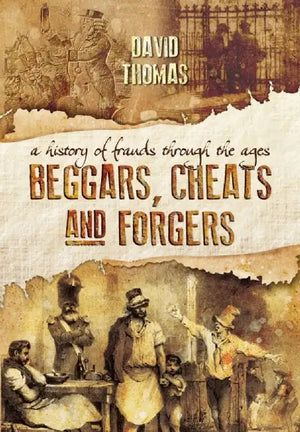
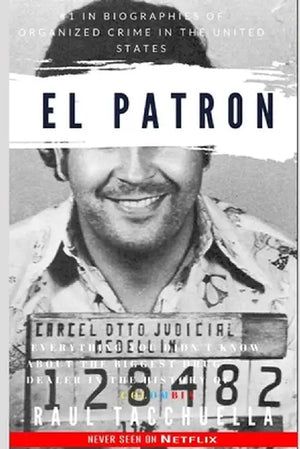
There is something about a real crime that fiction cannot quite match. It actually happened, to real people, and the questions it leaves behind do not fade when you close the book. This is a very small shelf of true crime books at the moment, with just a handful of titles, but they are quite different from one another: The Borgias from Alexandre Dumas's Celebrated Crimes, Beggars, Cheats and Forgers by David Thomas, Story Hustler by Mike Watkiss and El Patron by Raul Tacchuella.
Why Are People Drawn to True Crime?
True crime has become hugely popular around the world, through books, podcasts and streaming series. Psychologists have offered various explanations. It lets us examine danger from a safe distance. It gives us a puzzle to solve. And it raises questions that matter: why do people do terrible things, how do we know who is guilty, and is the system actually fair? Many readers also find that learning how crimes happen makes them feel more prepared and aware. In short, it appeals to the part of us that wants to understand the darker side of human nature.
Crime in History
The Borgias is drawn from Celebrated Crimes, the collection by Alexandre Dumas, author of The Three Musketeers and The Count of Monte Cristo. The Borgia family has become a byword for poison, ambition and scandal in Renaissance Italy. Do remember that Dumas was a great storyteller as much as a historian, so this is best enjoyed as a vivid and dramatic account, rather than as a strict record of fact. Comparing his version with what modern historians say makes for an interesting exercise.
David Thomas's Beggars, Cheats and Forgers looks at a different side of the past, the rogues and con men of an earlier age. Books like this show that swindling is nothing new. The tricks change, but human trust and greed stay remarkably constant. Readers who enjoy this might also browse history books, where crime and punishment often feature in the wider story.
Reporting on Crime
Story Hustler by Mike Watkiss comes from a working journalist's life, and its subtitle mentions murder, mayhem and PTSD. It reminds us that those who report on violence are affected by it too. This is a dimension that is often missing from more glamorous accounts. If you have an interest in how crime gets reported, and what that does to those who do the reporting, you may also want to look at mass media and journalism.
Drug Lords and Organised Crime
El Patron looks at one of the most notorious drug lords in modern history, a figure who has been made famous by television. Stories of organised crime can be gripping, but it is worth keeping the victims in mind. Books and shows can make such men appear glamorous, and the reality for the communities they affected was anything but. A good reader enjoys the story and still asks who paid the price for it.
How to Read True Crime Responsibly
This genre raises real ethical questions, so a thoughtful reader may want to keep a few things in mind.
- Remember that real people were hurt. Victims and their families are not characters in a story.
- Check how the author knows what they say. Do they use court records and interviews, or mostly rumour and guesswork?
- Watch for sensationalism. A book that revels in gore may tell you little about what really happened.
- Do not assume guilt. Courts can get things wrong, and an author may have their own theory to prove.
- Be aware of old prejudices. Older accounts can reflect the biases of their period about class, race or gender.
- Take a break when you need one. These stories can be disturbing, so read at your own pace.
Please read the description before choosing a book, because some accounts contain graphic details and are not suitable for younger readers. If reading about violence brings up painful memories or distress, set the book aside and consider talking with someone you trust or a professional.
True Crime and Careers
Some readers come to this subject with a professional interest. Students of law, criminology, psychology or journalism may find that real cases bring their studies to life, while those considering a career in the police or in forensic science get a sense of what the work can involve. If that describes you, these narrative accounts should be read together with more formal study. Our law and criminology shelf has a far larger selection of academic titles, and psychology books explore why people behave as they do.
Staying Safe From Modern Fraud
If one thing comes through in books about cheats and forgers, it is that con artists depend on trust and hurry. Today's versions come by phone call and WhatsApp message. The same old lessons still apply. Be suspicious when someone rushes you, when an offer seems too good to be true, or when somebody claiming to be an official asks you for a one time password or an urgent payment. Take your time, and verify with the real organisation using a number you have looked up yourself. Reading about historical swindles can be a surprisingly practical way of sharpening your instincts.
More Reading for Crime Lovers
Since this shelf is small, you may well want to look further afield.
- Fictional detectives: Sherlock Holmes by Arthur Conan Doyle can be found in classic fiction.
- Modern mystery and suspense: browse modern fiction.
- Young adult mystery: Holly Jackson's books are in YA fiction.
- Real events, from those who lived them: look through true stories and memoirs.
- Soldiers and hard lives: see warfare and defence.
Fact or Fiction?
Many readers of detective novels find that real cases are far messier. There is seldom a clever detective gathering everyone in a drawing room to explain the solution. Evidence goes missing, witnesses disagree, and some cases are never solved at all. That uncertainty is part of what makes the real thing so haunting. If you have read a good deal of crime fiction, try one true account. It may very well change the way that you read the next novel.
A Good Way to Begin
If you are new to the genre, The Borgias offers history and drama with a bit of distance, so it is a gentle place to start. Beggars, Cheats and Forgers is a good choice for those who prefer rogues to murderers. Story Hustler and El Patron are for readers who are ready for a more modern and grim world. Whichever you choose, keep asking the question that all good true crime is really about: what makes a person cross that line, and what does it tell us about all of us?
True crime is popular with readers who enjoy solving puzzles, but it also raises serious questions about justice, evidence and the way that society treats victims. Choose carefully, since some accounts describe disturbing events, and read the description before you pick a book for a younger reader.