
-
Fiction

- Romance
- Historical Fiction
- Crime & Mystery
- Modern Fiction (Post 1945)
- Religious & Spiritual
- Fiction-Related Item
- Fantasy
- Adventure
- Classic Fiction (Pre 1945)
- Fiction: Special Features
- Thriller / Suspense
- Science Fiction
- Philosophy
- Horror & Ghost Stories
- Graphic Novels
- Myth & Legend
- Sagas
- Poetry Anthology
- Erotic Fiction
- Society & Culture
- Film, TV & Radio
- Humour
-
Non-Fiction
Non-Fiction 13 categories · 2,996 booksView all
-
Teens & Ya
Teens & Ya 3 categories · 162 booksView all
-
Kids
- Picture Books
- Early Learning
- Fiction & True Story
- Picture & Activity Books
- General Non-Fiction
- Stationery & Misc
- Personal & Soc Issue
- Reference Material
- Fantasy
- Educational Material
- Modern Fiction (Post 1945)
- Horror
- Biography: General
- Graphic Novels
- Poetry Anthology
- Science Fiction
- Humour
- Myth & Legend
-
EXAMS
-
Shop by Age
-
Kids Books
-
Biography












-
Fiction
- Romance
- Historical Fiction
- Crime & Mystery
- Modern Fiction (Post 1945)
- Religious & Spiritual
- Fiction-Related Item
- Fantasy
- Adventure
- Classic Fiction (Pre 1945)
- Fiction: Special Features
- Thriller / Suspense
- Science Fiction
- Philosophy
- Horror & Ghost Stories
- Graphic Novels
- Myth & Legend
- Sagas
- Poetry Anthology
- Erotic Fiction
- Society & Culture
- Film, TV & Radio
- Humour
-
Non-Fiction
Non-Fiction 13 categories · 2,996 booksView all
-
Teens & Ya
Teens & Ya 3 categories · 162 booksView all
-
Kids
- Picture Books
- Early Learning
- Fiction & True Story
- Picture & Activity Books
- General Non-Fiction
- Stationery & Misc
- Personal & Soc Issue
- Reference Material
- Fantasy
- Educational Material
- Modern Fiction (Post 1945)
- Horror
- Biography: General
- Graphic Novels
- Poetry Anthology
- Science Fiction
- Humour
- Myth & Legend
-
EXAMS
-
Shop by Age
-
Kids Books
-
Biography


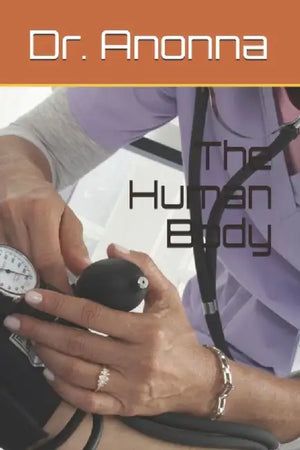













Medical Books: MBBS, Nursing, Ayurveda and Health Science
Medicine is a subject where the quality of your book really matters. This shelf of medical books brings together textbooks and reference works for students, classical Ayurvedic texts, and thoughtful writing about health for the general reader. It is used by MBBS, BAMS, BDS and nursing students, health workers and many curious readers who simply want to understand their own bodies better.
Please keep one thing in mind throughout. Books give knowledge, and they do not replace a qualified doctor. For symptoms, diagnosis or treatment, always consult a doctor directly. Nothing you read here should lead you to start or stop a medicine on your own.
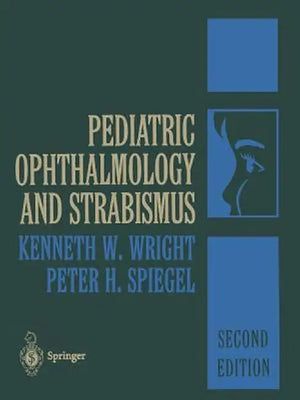
You will find anatomy and physiology references such as Gerard J. Tortora, nursing titles by Ian Peate, drug references from Springhouse, Satya Gupta on paediatrics and the Oxford Handbook of Paediatrics, along with a very large collection of Ayurveda by Acharya Balkrishna.
Medical Textbooks for MBBS Students
First year students usually feel overwhelmed by the size of their books. A good rule is to choose one standard text per subject, then revise it many times. Most students do better this way than by gathering a big pile of references.
- Anatomy and physiology: Tortora is a clear and well illustrated option, particularly for those who want to understand how the body works as a whole.
- Neuroanatomy: Exam Prep Manual: Neuroanatomy by Satish Kumar Ravi is designed with revision in mind.
- Community medicine: Mastering Practicals: Community Medicine helps with a subject that is often underestimated.
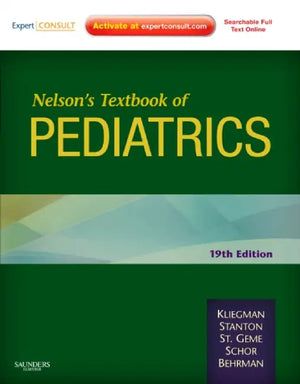
- Paediatrics: Satya Gupta's volumes and the Oxford handbook are helpful during clinical postings.
- Research and evidence: Trisha Greenhalgh's writing teaches you how to read a medical paper critically, which is a skill for your whole career.
Draw diagrams by hand, as they stay in the memory far longer than highlighted paragraphs. Use the ward as your real classroom, and connect what you read at night with the patient you met that morning.
Nursing and Allied Health Books
Nurses need both solid knowledge and practical judgement. Ian Peate's books are often used in nursing courses, covering the body systems and common conditions in a clear style. Other titles deal with laboratory work, such as A Textbook of Biomedical Laboratory Techniques by P. Venkatesan, and rehabilitation, for example Stroke Rehabilitation: A Functional Activity Based Approach. These subjects suit students of nursing, physiotherapy and medical technology. Since drug and care guidelines change, use the most recent edition you can find, and follow the protocols of your own institution.
Ayurveda Books: Classical Texts and Modern Guides
India's traditional system of medicine has a very long written history. This shelf includes the great classical works, among them Susruta Samhita with Dr. Vasant C. Patil, and Charaka Samhita with Dr. Shashirekha H. K., both important for BAMS students. Classical Uses of Medicinal Plants by P. V. Sharma is another respected reference, and Acharya Balkrishna has written extensively on Ayurveda, including Sidhsar Sanhita.
If you are new to Ayurveda, start with general principles such as the doshas, daily routine and diet, before reading about specific remedies. Be careful with self treatment. Herbal products can interact with other medicines, and they are not automatically safe because they are natural. Tell your doctor about anything that you are taking.
Yoga Education for Schools
Acharya Balkrishna's Aao Seekhe Yog series for school classes introduces children to yoga in a simple, structured way. Teachers and parents may find these useful for regular practice at school and at home. For adults, more on yoga and fitness is on our health and fitness shelf.
Medical Books for General Readers
You do not need a medical degree to read about medicine, and some of the most interesting titles here were written for everyone. The Very Short Introduction series offers small, clear books such as Cancer by Walter Gratzer, Drugs by Leslie Iversen and Plague by Paul Slack. Vaccines: What Everyone Needs to Know, by Kristen A. Feemster, answers common questions calmly. Eric J. Topol writes on how technology and data are changing medicine. Gabor Mate's Scattered Minds looks at attention deficit disorder, while Marsha M. Linehan's work is known in the field of mental health treatment.
Patients and families also find value in books like Your Doctor Is Not God by Aanchal Bhatia and Doctors Are Not Murderers by Debraj Shome, which look at the sometimes difficult relationship between Indian doctors and patients from different sides.
Be Careful With Miracle Cures
Health is an area where bold promises sell well. Some books on any large medical shelf make claims which mainstream medicine does not support, and titles that promise a single cure for every disease deserve particular caution. Here is how to judge what you are reading:
- Who is the author? Look for relevant training and experience.
- Is evidence given? Trials and published studies count for much more than individual success stories.
- Is it asking you to stop your treatment? That is a serious warning sign. Discuss any such idea with your doctor first.
- Does it blame you for being ill? Good health writing respects patients, and it does not shame them.
Reading widely is good, but treat every health claim with care, especially where a serious illness is involved.
Understanding Common Illnesses
Many readers come here after they or a family member have received a diagnosis. Learning about a condition can reduce fear and help you to ask your doctor better questions. Keep a short list of those questions, and take it to your next appointment. Books such as Diabetic Cookbooks and Meal Plan can offer ideas for daily life, but any change in diet for diabetes or kidney disease should be agreed with your treating team.
Healthcare in India
Doctors, students and policy makers may also enjoy books about the wider health system. Indian Pharma 2030 looks at where the country's pharmaceutical industry is heading, and Kidney Transplants and Scams examines a difficult chapter in Indian healthcare. Such reading is useful for anyone considering hospital administration, public health or medical journalism as a career.
Tips for Medical Students
- Revise on a schedule. Spaced revision beats long sessions just before exams.
- Study with clinical questions in mind. Ask what you would do if this patient came to you.
- Use question banks once the basics are in place. They teach you how a topic is tested, particularly for NEET PG preparation.
- Look after yourself. Sleep, food and friends matter. Medical students are at a real risk of burnout, so ask for help when you need it.
Where to Go Next
The science behind medicine lives in biology and life science and chemistry. For daily wellbeing, see nutrition and health, food and wellness. Those who care for animals can turn to veterinary science. Whether you are preparing for an exam or trying to understand a family member's illness, read carefully, ask good questions and let a qualified doctor guide all decisions about your care.
Revise regularly, and use diagrams and short notes for topics that you find hard to remember.