
-
Fiction

- Romance
- Historical Fiction
- Crime & Mystery
- Modern Fiction (Post 1945)
- Religious & Spiritual
- Fiction-Related Item
- Fantasy
- Adventure
- Classic Fiction (Pre 1945)
- Fiction: Special Features
- Thriller / Suspense
- Science Fiction
- Philosophy
- Horror & Ghost Stories
- Graphic Novels
- Myth & Legend
- Sagas
- Poetry Anthology
- Erotic Fiction
- Society & Culture
- Film, TV & Radio
- Humour
-
Non-Fiction
Non-Fiction 13 categories · 2,996 booksView all
-
Teens & Ya
Teens & Ya 3 categories · 162 booksView all
-
Kids
- Picture Books
- Early Learning
- Fiction & True Story
- Picture & Activity Books
- General Non-Fiction
- Stationery & Misc
- Personal & Soc Issue
- Reference Material
- Fantasy
- Educational Material
- Modern Fiction (Post 1945)
- Horror
- Biography: General
- Graphic Novels
- Poetry Anthology
- Science Fiction
- Humour
- Myth & Legend
-
EXAMS
-
Shop by Age
-
Kids Books
-
Biography












-
Fiction
- Romance
- Historical Fiction
- Crime & Mystery
- Modern Fiction (Post 1945)
- Religious & Spiritual
- Fiction-Related Item
- Fantasy
- Adventure
- Classic Fiction (Pre 1945)
- Fiction: Special Features
- Thriller / Suspense
- Science Fiction
- Philosophy
- Horror & Ghost Stories
- Graphic Novels
- Myth & Legend
- Sagas
- Poetry Anthology
- Erotic Fiction
- Society & Culture
- Film, TV & Radio
- Humour
-
Non-Fiction
Non-Fiction 13 categories · 2,996 booksView all
-
Teens & Ya
Teens & Ya 3 categories · 162 booksView all
-
Kids
- Picture Books
- Early Learning
- Fiction & True Story
- Picture & Activity Books
- General Non-Fiction
- Stationery & Misc
- Personal & Soc Issue
- Reference Material
- Fantasy
- Educational Material
- Modern Fiction (Post 1945)
- Horror
- Biography: General
- Graphic Novels
- Poetry Anthology
- Science Fiction
- Humour
- Myth & Legend
-
EXAMS
-
Shop by Age
-
Kids Books
-
Biography























Sociology Books and Anthropology Books: Understanding Indian Society
Why does caste still shape marriage in modern cities? Why do some families move to the city, while others stay on the land? Why do people from one community dress, eat and pray so differently from those next door? Sociology books and anthropology books look for patterns behind these everyday facts. Once you start seeing those patterns, it is hard to stop noticing them, whether at a wedding, in an office or in a village market.
This shelf serves college students and exam aspirants, as well as general readers. It includes widely used Indian texts by Ram Nath Sharma and Rajendra Kumar Sharma, global names such as George Ritzer, Pierre Bourdieu, Anthony Elliott and Judith Butler, and the large People of India volumes by K. S. Singh that document communities across the country.
What Is the Difference Between Sociology and Anthropology?
The two subjects are close cousins. Sociology usually studies modern societies and institutions like family, class, religion and work, often using surveys and statistics. Anthropology studies human cultures more broadly, traditionally through long periods of living with a community and observing it closely. In practice they borrow heavily from each other. Tim Ingold's Lines is an example of how creative anthropological thinking can be, while Daniel Miller writes about objects and everyday life in a way that many readers find surprising and accessible.
Sociology Books for Beginners
Start with something short, and move on when your curiosity grows.
- A reference to keep nearby: Nicholas Abercrombie's Sociology is a clear introduction to the field's main questions.
- A quick taste: The Body by Chris Shilling, from the Very Short Introduction series, shows how a familiar topic becomes interesting when you look at it sociologically.
- A book about India: Keywords for Modern India explores words we use every day, such as development and caste, and shows what lies behind them.
- A challenging voice: Nivedita Menon's Seeing Like a Feminist is one of the most discussed recent books on gender in India, and it is very readable.
Sociology for BA, MA, UGC NET and UPSC
Students should focus first on the thinkers, because examiners return to them again and again. Learn the main ideas of Marx, Durkheim, Weber and Mead, then those of Indian sociologists. The texts by Ram Nath Sharma and R. K. Sharma are written with the Indian university syllabus in mind. In Hindi, Bhartiya Samaaj, Sansthayein Aur Sanskriti by Dr. Ramnath Sharma is a common choice, and Vikas Ka Samajshastra by Shyamacharan Dube deals with the sociology of development. Social Change and Social Control by Rajendra K. Sharma is another focused title.
Sociology is a popular optional subject for civil services, because it connects well with general studies. If you are preparing for UPSC, pay close attention to Indian society, caste, tribes, kinship and social movements. Check the latest syllabus on the official website before buying anything, and practise writing answers which link theory with a real Indian example.
Anthropology and the Peoples of India
India is one of the richest places in the world in which to study anthropology, with thousands of communities and languages. The People of India series edited by K. S. Singh is a landmark reference, with volumes on specific states such as Odisha and Bihar. Tribal Culture History by Chitrasen Pasayat offers another useful view, and Rahul Sankrityayan's Manav Samaz is a classic work in Hindi about human society. Students who choose anthropology as a UPSC optional should note that it combines physical and social aspects, so choose reading that covers both.
Gender, Caste, Class and Labour
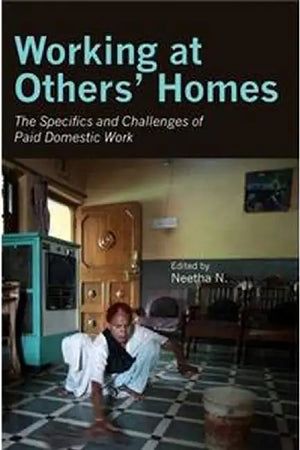
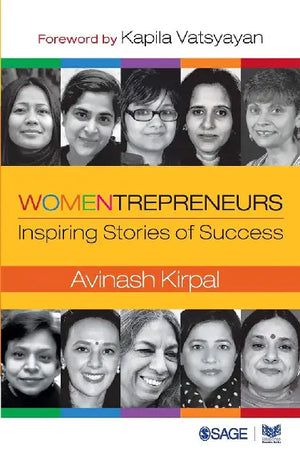
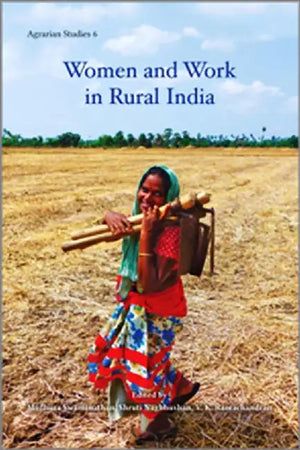
Much of the best writing on this shelf deals with inequality. Jan Breman has written for many years about labour in India, especially informal work. Asha Hans discusses disability and gender, while Meera Khanna's Breaking Paths tells stories of women who dared to take a different road. Child Labour in a Third World Urban Situation looks directly at a difficult reality. These books are not always comfortable reading, but they help you to see the lives that official numbers can hide. Keep an open mind, and try reading authors from the communities being discussed wherever you can.
Big Theory Without the Fear
Writers such as Pierre Bourdieu and Judith Butler have a reputation for being difficult, and honestly they can be. Do not begin with their hardest work. Read a short explanation of the key ideas first, for instance Bourdieu's idea that taste and manners work as a kind of capital. Then try a chapter of the original. If you get one clear thought from a difficult page, that is a good day's reading. Anthony Elliott and George Ritzer are often helpful guides for students trying to make sense of modern social theory.
How to Read Sociology Well
- Test ideas on your own life. Ask how a concept applies to your family, your college or your neighbourhood.
- Note the place and the date. A study from 1960s America may not describe India today.
- Separate description from opinion. Good writers make it clear which is which, and you should learn to do the same.
- Learn the basics of method. Knowing how surveys and interviews work helps you judge any claim.
- Keep a small list of definitions. Terms like status, role and norm appear everywhere, and getting them right will strengthen every answer.
Sociology and Everyday Careers
This subject is useful well beyond the classroom. People with a sociology background work in social research, journalism, public policy, human resources, development organisations and market research. Anyone who deals with people benefits from understanding how groups behave and why communities respond the way they do. If you are considering careers in this area, also see career guidance.
Where to Go Next
Sociology connects naturally with several neighbouring fields. To understand the individual mind, read psychology books. For power and government, visit political science books. To see how we got here, explore history and archaeology. For communication and culture, try mass media and journalism. Start with one question you actually care about, and let the books take you from there.