
-
Fiction

- Romance
- Historical Fiction
- Crime & Mystery
- Modern Fiction (Post 1945)
- Religious & Spiritual
- Fiction-Related Item
- Fantasy
- Adventure
- Classic Fiction (Pre 1945)
- Fiction: Special Features
- Thriller / Suspense
- Science Fiction
- Philosophy
- Horror & Ghost Stories
- Graphic Novels
- Myth & Legend
- Sagas
- Poetry Anthology
- Erotic Fiction
- Society & Culture
- Film, TV & Radio
- Humour
-
Non-Fiction
Non-Fiction 13 categories · 2,996 booksView all
-
Teens & Ya
Teens & Ya 3 categories · 162 booksView all
-
Kids
- Picture Books
- Early Learning
- Fiction & True Story
- Picture & Activity Books
- General Non-Fiction
- Stationery & Misc
- Personal & Soc Issue
- Reference Material
- Fantasy
- Educational Material
- Modern Fiction (Post 1945)
- Horror
- Biography: General
- Graphic Novels
- Poetry Anthology
- Science Fiction
- Humour
- Myth & Legend
-
EXAMS
-
Shop by Age
-
Kids Books
-
Biography






-
Fiction
- Romance
- Historical Fiction
- Crime & Mystery
- Modern Fiction (Post 1945)
- Religious & Spiritual
- Fiction-Related Item
- Fantasy
- Adventure
- Classic Fiction (Pre 1945)
- Fiction: Special Features
- Thriller / Suspense
- Science Fiction
- Philosophy
- Horror & Ghost Stories
- Graphic Novels
- Myth & Legend
- Sagas
- Poetry Anthology
- Erotic Fiction
- Society & Culture
- Film, TV & Radio
- Humour
-
Non-Fiction
Non-Fiction 13 categories · 2,996 booksView all
-
Teens & Ya
Teens & Ya 3 categories · 162 booksView all
-
Kids
- Picture Books
- Early Learning
- Fiction & True Story
- Picture & Activity Books
- General Non-Fiction
- Stationery & Misc
- Personal & Soc Issue
- Reference Material
- Fantasy
- Educational Material
- Modern Fiction (Post 1945)
- Horror
- Biography: General
- Graphic Novels
- Poetry Anthology
- Science Fiction
- Humour
- Myth & Legend
-
EXAMS
-
Shop by Age
-
Kids Books
-
Biography










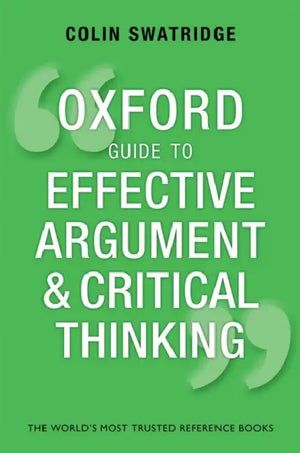


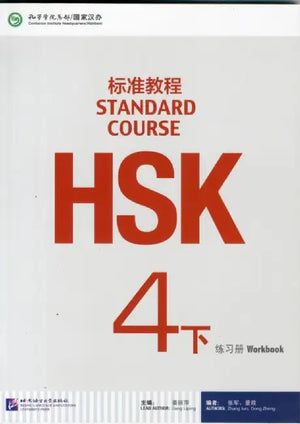

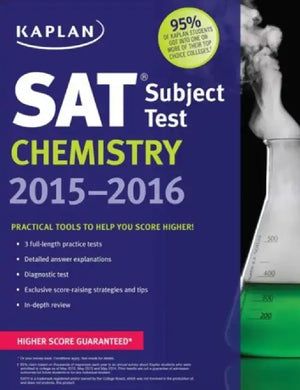
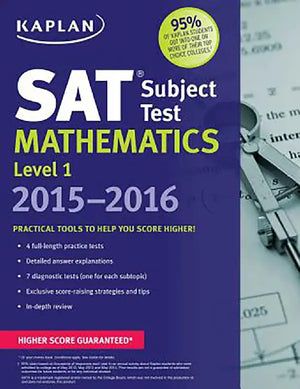


Study Guides, Grammar Books and Language Learning Resources
Whether you are writing a thesis, sitting the SAT or GRE, or trying to fix the same grammar mistake for the tenth time, the right reference book saves you hours of frustration. This shelf is a practical mix for students, teachers and self learners. It includes Diana Hacker's Rules for Writers, The 25 Rules of Grammar by Joseph Piercy, Survival Skills for Thesis and Dissertation Candidates, Kaplan test preparation, GRE For Dummies and short language courses such as Russian: Fast Course.
It is not a shelf to read from cover to cover. Think of it as a toolbox. Find the tool that fits today's job, learn to use it properly, and keep it within reach.
English Grammar Books That Actually Help
Most people do not need to learn all of grammar. They need to find and fix their own repeated errors. That is why a short English grammar book is often more useful than a very thick one. The 25 Rules of Grammar is a compact guide of that kind, and Progress in Writing and Grammar works for those who like to practise with exercises. Compound Words in English is a simple way of building vocabulary a little at a time.
Try this method:
- Write a paragraph and ask a teacher or friend to mark your errors.
- Note down the two errors that appear most often.
- Study only those rules this week, and write ten sentences of your own using each.
- Repeat with the next two errors the week after.
For a broader range of dictionaries and courses, visit dictionaries and reference books. If your goal is reading confidence as well, our list of easy English novels for beginners will help, since reading for pleasure improves grammar quietly.
Academic Writing and Thesis Help
University writing is a skill of its own, and almost nobody is taught it clearly. Rules for Writers by Diana Hacker is a long trusted handbook on structure, citation and style, and students keep returning to it. Survival Skills for Thesis and Dissertation Candidates speaks to anyone feeling lost in a long research project. Some straightforward advice for thesis writing:
- Start writing early. Rough notes written in month one are worth more than perfect plans in month six.
- Agree on your citation style first. Fixing references at the end is painful.
- Write the introduction last. You will only know what you are introducing when you have finished.
- Show drafts often. Your guide can only help you with what they have seen.
For research design and methods, see our research methodology books.
Test Preparation: SAT, GRE, AP and IGCSE
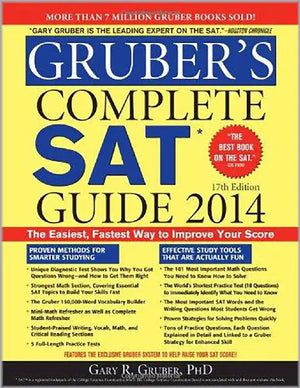
Students planning to study abroad will find useful test material here, including GRE For Dummies, AP Statistics Premium and Kaplan subject guides, along with exam success guides for Cambridge IGCSE courses. Before you begin, check three things: the current exam format on the official website, the edition of your book, and how much time you really have before the test.
Practice tests are the heart of good preparation. Take a timed test at the start to see where you stand. Study the areas where you lost marks, not those you already enjoy. Then test yourself again at regular intervals, and keep a notebook of every question you got wrong, along with why. For Indian exams, go to our competitive exam books and UPSC books.
Learning a Foreign Language
Foreign language books such as Learn 101 German Verbs In 1 Day and Russian: Fast Course are good for getting started, especially if you are preparing for travel, work or further study abroad. Spanish Bilingual Bridge takes a different route, using classic stories to build reading in a new language. Do be realistic, though. No one actually masters a language in a day, however cheerful the title may be. A sensible plan is fifteen minutes every day, plus some listening, speaking out loud and a willingness to get things wrong. Learners keen to go further can browse language books, which include Arabic courses and studies of language itself.
Bilingual flash cards, such as 600 Basic Words Cartoons Flash Cards in English and Marathi, can also be useful for younger learners and for families who are raising children with two languages at home.
Study Skills and How to Remember What You Read
Many students spend long hours reading and rereading, which feels productive but often does not work. These habits have much better results:
- Test yourself. Close the book and write down what you remember.
- Space your revision. Short sessions across several days beat one long night.
- Teach it. Explaining a topic to a friend reveals exactly what you have not understood.
- Mix subjects. Switching topics in a study session feels harder but tends to help memory.
- Sleep properly. Memory needs rest. An all night session before an exam usually costs more than it gains.
Summaries, such as those in the Summary and Analysis series, can support your reading and help you to revise. Treat them as a reminder of a book that you have read, rather than a replacement for it.
Books for Teachers and Book Lovers
Teachers can find ideas and classroom material here, along with activity books for younger students. Being and Becoming Multilingual is a thoughtful book for anyone interested in how people live and learn in more than one language, which is highly relevant in India. Those who love books as objects might enjoy John Carter's Taste and Technique in Book-Collecting, a charming look at a very particular passion.
Notebooks, Planners and Writing Tools
You will also see some useful small extras here, including sticky notes, coloring books for writers and calendars. The Coloring Book for Writers is an unusual way to brainstorm when you feel stuck on a piece of writing. Students often find that a simple paper planner helps them more than a phone app, since it does not send notifications while you are trying to work.
Picking the Right Reference Book
- Check the publication year, especially for test preparation and technology.
- Look at the contents page. Is the topic you need actually covered in enough depth?
- Choose your level honestly. A book written for advanced students will only discourage a beginner.
- Prefer one good book, used fully, over five that you barely open.
Where to Go Next
For larger selections, explore encyclopaedias and dictionaries and library and information science. If you want to keep your motivation up during long study periods, motivational books can help, and for planning what comes after your studies, see career guidance. Pick the one problem bothering you most this week, and start there.
Students can use these resources to plan their time and improve their writing. Choose one handbook, keep it close, and use it each time you write an essay, an assignment or a job application.