-
Fiction

- Romance
- Historical Fiction
- Crime & Mystery
- Modern Fiction (Post 1945)
- Religious & Spiritual
- Fiction-Related Item
- Fantasy
- Adventure
- Classic Fiction (Pre 1945)
- Fiction: Special Features
- Thriller / Suspense
- Science Fiction
- Philosophy
- Horror & Ghost Stories
- Graphic Novels
- Myth & Legend
- Sagas
- Poetry Anthology
- Erotic Fiction
- Society & Culture
- Film, TV & Radio
- Humour
-
Non-Fiction
Non-Fiction 13 categories · 2,996 booksView all
-
Teens & Ya
Teens & Ya 3 categories · 162 booksView all
-
Kids
- Picture Books
- Early Learning
- Fiction & True Story
- Picture & Activity Books
- General Non-Fiction
- Stationery & Misc
- Personal & Soc Issue
- Reference Material
- Fantasy
- Educational Material
- Modern Fiction (Post 1945)
- Horror
- Biography: General
- Graphic Novels
- Poetry Anthology
- Science Fiction
- Humour
- Myth & Legend
-
EXAMS
-
Shop by Age
-
Kids Books
-
Biography











-
Fiction
- Romance
- Historical Fiction
- Crime & Mystery
- Modern Fiction (Post 1945)
- Religious & Spiritual
- Fiction-Related Item
- Fantasy
- Adventure
- Classic Fiction (Pre 1945)
- Fiction: Special Features
- Thriller / Suspense
- Science Fiction
- Philosophy
- Horror & Ghost Stories
- Graphic Novels
- Myth & Legend
- Sagas
- Poetry Anthology
- Erotic Fiction
- Society & Culture
- Film, TV & Radio
- Humour
-
Non-Fiction
Non-Fiction 13 categories · 2,996 booksView all
-
Teens & Ya
Teens & Ya 3 categories · 162 booksView all
-
Kids
- Picture Books
- Early Learning
- Fiction & True Story
- Picture & Activity Books
- General Non-Fiction
- Stationery & Misc
- Personal & Soc Issue
- Reference Material
- Fantasy
- Educational Material
- Modern Fiction (Post 1945)
- Horror
- Biography: General
- Graphic Novels
- Poetry Anthology
- Science Fiction
- Humour
- Myth & Legend
-
EXAMS
-
Shop by Age
-
Kids Books
-
Biography
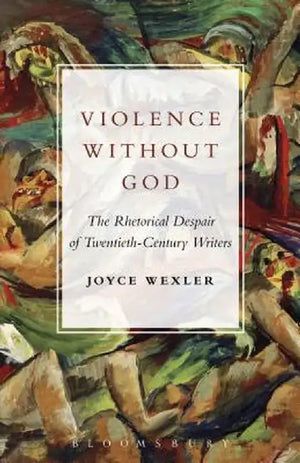
Violence Without God: The Rhetorical Despair of Twentieth-Century Writers
As twentieth-century writers confronted the political violence of their time, they were overcome by rhetorical despair. Unspeakable acts lef...
₹3326
Paperback
inclusive of all taxes · free delivery
Out of Stock
Cash on Delivery
Guaranteed Service
4 to 7 Business Days
Check Delivery Free delivery on all orders
Offers on this product
Coupon Code: BOOK10
Get 10% off
.
About the Book
As twentieth-century writers confronted the political violence of their time, they were overcome by rhetorical despair. Unspeakable acts left writers speechless. They knew that the atrocities of the century had to be recorded, but how? A dead body does not explain itself, and the narrative of the suicide bomber is not the story of the child killed in the blast. In the past, communal beliefs had justified or condemned the most horrific acts, but the late nineteenth-century crisis of belief made it more difficult to come to terms with the meaning of violence.
In this major new study, Joyce Wexler argues that this situation produced an aesthetic dilemma that writers solved by inventing new forms. Although Symbolism, Expressionism, Modernism, Magic Realism, and Postmodernism have been criticized for turning away from public events, these forms allowed writers to represent violence without imposing a specific meaning on events or claiming to explain them. Wexler's investigation of the way we think and write about violence takes her across national and period boundaries and into the work of some of the greatest writers of the century, among them Joseph Conrad, T. S. Eliot, D. H. Lawrence, James Joyce, Alfred DA?blin, GA 1/4 nter Grass, Gabriel GarcAa MA!rquez, Salman Rushdie, and W. G. Sebald.
Edition
N/A
Language
English
Publisher
Bloomsbury
Binding
Paperback
ISBN-13
9781501325281
Weight
N/A
Dimension
N/A
Premium Quality
Easy Return
Certified Product
Secure Checkout
Money Back Guarantee
On Time Delivery
Related Products










Recently Viewed Books





Product Details
ISBN-139781501325281
PublisherBloomsbury
BindingPaperback
LanguageEnglish
AuthorJoyce Wexler
Edition
Dimensions
Weight
How would you rate your experience shopping for books on Books Factory?
Very poor
Neutral
Great
Rating Snapshot
Select a row to filter reviews.
5
0
4
0
3
0
2
0
1
0
0 Reviews
No reviews yet. Be the first to review this book.
Add a Review
Only customers who've purchased this book can write a review. Buy it, and you'll be able to review it from here or from your order in My Account.