-
Fiction

- Romance
- Historical Fiction
- Crime & Mystery
- Modern Fiction (Post 1945)
- Religious & Spiritual
- Fiction-Related Item
- Fantasy
- Adventure
- Classic Fiction (Pre 1945)
- Fiction: Special Features
- Thriller / Suspense
- Science Fiction
- Philosophy
- Horror & Ghost Stories
- Graphic Novels
- Myth & Legend
- Sagas
- Poetry Anthology
- Erotic Fiction
- Society & Culture
- Film, TV & Radio
- Humour
-
Non-Fiction
Non-Fiction 13 categories · 2,996 booksView all
-
Teens & Ya
Teens & Ya 3 categories · 162 booksView all
-
Kids
- Picture Books
- Early Learning
- Fiction & True Story
- Picture & Activity Books
- General Non-Fiction
- Stationery & Misc
- Personal & Soc Issue
- Reference Material
- Fantasy
- Educational Material
- Modern Fiction (Post 1945)
- Horror
- Biography: General
- Graphic Novels
- Poetry Anthology
- Science Fiction
- Humour
- Myth & Legend
-
EXAMS
-
Shop by Age
-
Kids Books
-
Biography







-
Fiction
- Romance
- Historical Fiction
- Crime & Mystery
- Modern Fiction (Post 1945)
- Religious & Spiritual
- Fiction-Related Item
- Fantasy
- Adventure
- Classic Fiction (Pre 1945)
- Fiction: Special Features
- Thriller / Suspense
- Science Fiction
- Philosophy
- Horror & Ghost Stories
- Graphic Novels
- Myth & Legend
- Sagas
- Poetry Anthology
- Erotic Fiction
- Society & Culture
- Film, TV & Radio
- Humour
-
Non-Fiction
Non-Fiction 13 categories · 2,996 booksView all
-
Teens & Ya
Teens & Ya 3 categories · 162 booksView all
-
Kids
- Picture Books
- Early Learning
- Fiction & True Story
- Picture & Activity Books
- General Non-Fiction
- Stationery & Misc
- Personal & Soc Issue
- Reference Material
- Fantasy
- Educational Material
- Modern Fiction (Post 1945)
- Horror
- Biography: General
- Graphic Novels
- Poetry Anthology
- Science Fiction
- Humour
- Myth & Legend
-
EXAMS
-
Shop by Age
-
Kids Books
-
Biography

Divine Production in Late Medieval Trinitarian Theology
About the Book According to the doctrine of the Trinity, the Father, Son, and Spirit are supposed to be distinct from each other, and yet be...
₹19513
Hardcover
inclusive of all taxes · free delivery
Out of Stock
Cash on Delivery
Guaranteed Service
4 to 7 Business Days
Check Delivery Free delivery on all orders
Offers on this product
Coupon Code: BOOK10
Get 10% off
.
About the Book
About the Book According to the doctrine of the Trinity, the Father, Son, and Spirit are supposed to be distinct from each other, and yet be one and the same God. As if that were not perplexing enough, there is also supposed to be an internal process of production that gives rise to the Son and Spirit: the Son is said to be 'begotten' by the Father, while the Spirit is said to 'proceed' either from the Father and the Son together, or from the Father, but through the Son.
One might wonder, though, just how this sort of divine production is supposed to work. Does the Father, for instance, fashion the Son out of materials, or does he conjure up the Son out of nothing? Is there a middle ground one could take here, or is the whole idea of divine production simply unintelligible?
In the late 13th and early 14th centuries, scholastic theologians subjected these questions to detailed philosophical analysis, and those discussions make up one of the most important, and one of the most neglected, aspects of late medieval trinitarian theology. This book examines the central ideas and arguments that defined this debate, namely those of Henry of Ghent, John Duns Scotus, and William Ockham. Their discussions are significant not only for the history of trinitarian theology, but also for the history of philosophy, especially regarding the notions of production and causal powers.
Edition
N/A
Language
English
Publisher
Oxford UP
Binding
Hardcover
ISBN-13
9780199646371
Weight
N/A
Dimension
N/A
Premium Quality
Easy Return
Certified Product
Secure Checkout
Money Back Guarantee
On Time Delivery
Related Products


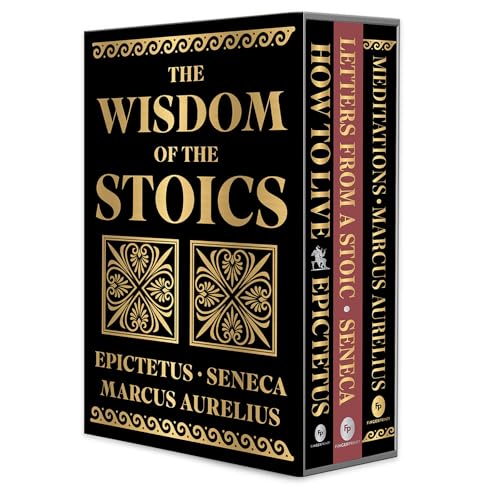
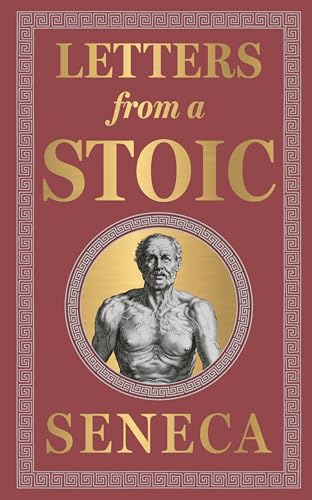
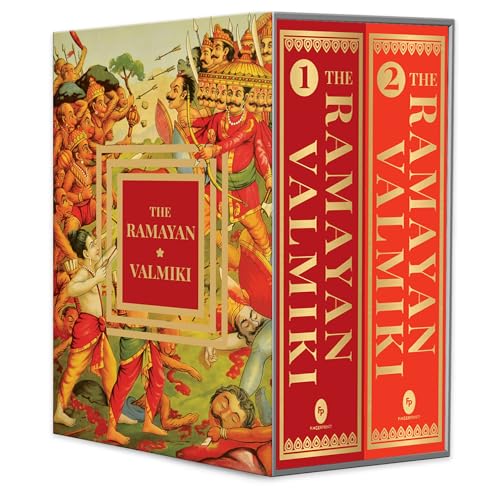
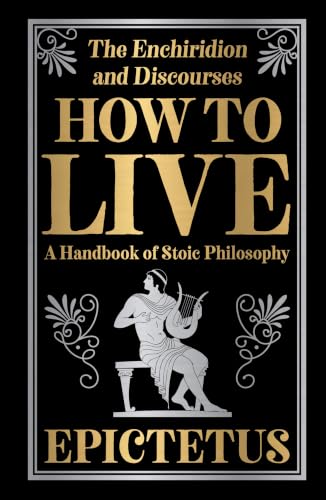
Recently Viewed Books






Product Details
ISBN-139780199646371
PublisherOxford UP
BindingHardcover
LanguageEnglish
AuthorPaasch
Edition
Dimensions
Weight
How would you rate your experience shopping for books on Books Factory?
Very poor
Neutral
Great
Rating Snapshot
Select a row to filter reviews.
5
0
4
0
3
0
2
0
1
0
0 Reviews
No reviews yet. Be the first to review this book.
Add a Review
Only customers who've purchased this book can write a review. Buy it, and you'll be able to review it from here or from your order in My Account.